-

Harm and Control Methods of Angelica Rust
The pathogen is Puccinia angelicae (P. angelicae). Urediniospores are oval to oblong-elliptical, yellowish-brown, (25-42) micrometers x (22-30) micrometers, with small spines on the surface and 3 germ pores. Teliospores are elliptical to club-shaped, chestnut-brown, (32-49) x (17-26) micrometers, with rounded ends and slightly constricted at the septum; the stalk is colorless and deciduous. Single-spored teliospores sometimes occur. 1. Damage symptoms: It damages leaves, and also damages petioles and fruit stalks. Uredinial pustules are scattered or clustered on the underside of leaves, exposed, brown. Telio
-
Symptom Identification and Control Methods of Licorice Rust
Latin scientific name: Uromyces glycyrrhizae Magn. Crops affected: Licorice. Symptoms: Mainly affects leaves. After seedlings emerge in spring, round, grayish-white small blister spots appear on the underside of leaves, and later the surface ruptures to reveal yellow-brown powdery masses, which are the pathogen's uredinia and urediniospores. In the late stage of the disease, the entire leaf is covered by uredinia, causing the aboveground part of the plant to die; the phloem tissue at the junction of the stem base with the root or stem proliferates, latent buds sprout, and the plant becomes clustered and dwarfed. After reinfection by urediniospores,
-
What are the control methods for licorice rust disease?
① Pathogen The pathogen of licorice rust (Uromyces glycyrrhizae) belongs to Basidiomycota → Teliomycetes → Uredinales → Pucciniaceae → the genus Uromyces. ② Disease pattern a. Urediniospore stage In the seedling stage of licorice, infected plants show a light brown uredinium at the tip of leaves that have not yet unfolded. As the young leaves flatten and grow, the spore masses appear densely along the leaf tip and the underside of the leaf, and finally the entire underside of the leaf is covered by spore masses, appearing as a sheet of yellow rust color; generally all leaves of the whole plant become diseased, and diseased plants are noticeably dwarfed.
-
How to prevent and control licorice rust? Detailed explanation of prevention and control methods
The pathogen is a basidiomycete fungus, mainly affecting the leaves. On the underside of infected leaves, yellow-brown blister-like lesions appear on one side; after the epidermis ruptures, brown powder is released, which are the uredinia and urediniospores of the pathogen. From August to September, dark brown teleutosori form. Prevention and control methods: 1. Collect diseased plant leaves and burn them. 2. At the early stage of disease onset, spray 0.3-0.4 degrees Baume lime sulfur mixture or 97% dithianon sodium 400-fold solution.
-
What are the control methods for the wolfberry rust mite?
The wolfberry rust mite belongs to the family Eriophyidae. Swarms of mites densely cover the leaves and suck the sap, causing the leaves to turn rust-colored and drop early. Adult mites overwinter in bark crevices, bud axils and other places. The following year, after the wolfberry leaves unfurl in mid-April, they begin their damaging activity, and they begin laying eggs in late April. Late May to late June is the peak period of reproduction. After that, because the leaves turn rust-colored and the nutritional conditions deteriorate, the number of mites drops greatly. From late July to early August, new leaves emerge and a second reproduction peak appears. In mid-September reproduction slows, and after leaf fall in October the adult mites move to
-
Symptom Identification and Control Methods of Rust Disease in Codonopsis pilosula
It damages the leaves. The diseased area on the underside of the leaf is slightly raised, forming the uredinium, which later ruptures and releases orange-yellow urediniospores. The disease is most severe from June to July. Control methods: (1) Clear away withered branches and fallen leaves in winter. (2) During the disease period, spray with a 200-fold dilution of 50% dinitro compound or a 400-fold dilution of 97% sodium dithiocarbamate, once every 7 days, for 2 to 3 consecutive applications.
-
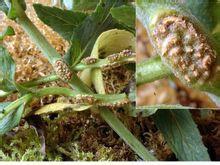
What to Do When Mint Gets Rust Disease? A Detailed Guide to Integrated Control Techniques
Mint is a medicinal plant renowned both in China and abroad, with the whole herb used as medicine. It is produced in Jiangsu. In recent years, with the adjustment of the rural planting structure and market demand, the planting area of mint in various parts of Jiangsu has expanded somewhat, but during its growth and development, it often suffers severe damage from rust disease, which not only causes serious yield reduction but also affects...
-
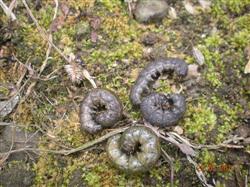
How to prevent and control Angelica rust? Detailed explanation of control methods
How to control cutworms in Angelica? Please advise. Cutworms, also known as "soil silkworms" or "black soil silkworms", belong to the order Lepidoptera, family Noctuidae. The main cutworms affecting Angelica are the black cutworm and the yellow cutworm, and their damage conditions and control measures are the same. 1. Damage situation: The larvae damage Angelica seedlings, hiding by day and emerging at night; in the young larval stage they mostly feed on tender leaves...
-
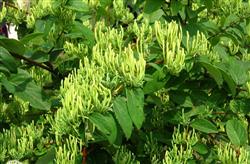
What is honeysuckle rust? A detailed guide to honeysuckle cultivation techniques
What is honeysuckle rust? What harm does rust do to honeysuckle? Friends with experience are invited to explain the harm rust does to honeysuckle: after honeysuckle is affected by rust disease, tea-brown or dark-brown small spots appear on the underside of the leaves; some leaves also develop nearly round lesions on the upper surface, with 1 small pustule in the center, and in severe cases the leaves can...
-

What are the control methods for white rust in Achyranthes bidentata?
How do you control white rust in Achyranthes bidentata? Please explain the control methods. White rust in Achyranthes bidentata is mainly caused by a fungal infection of the plant. The symptoms are that all aboveground parts of the plant can be affected, and when leaves are damaged, pale yellow-green patches appear on the leaf surface, with blister-like raised spots developing on the corresponding underside, 1-2 mm in diameter. After the epidermis ruptures, a white, glossy, sticky, powdery substance is released...
条件筛选