-

Can a Phalaenopsis orchid still survive if all its roots have rotted? Here's how to coax it into growing new roots
I believe friends who have kept Phalaenopsis orchids for the first time have all been through root rot, and generally speaking, even with a strenuous rescue effort, for less experienced growers the result is mostly in vain. Here I'd like to share one of the fastest root-inducing methods after root rot, namely the "inversion method." How exactly do you do it? Let's take a look below. "Inver
-

Can a Phalaenopsis orchid grow new roots if it is suspended to induce rooting and placed upside down in water?
In recent years, the Phalaenopsis orchid has been the "white moonlight" in everyone's hearts, and many people buy it as soon as they see a flower stall! But quite a few people, after enjoying the flowers at home, find that the roots begin to show signs of rotting away completely. So these roots that look perfectly fine, are they really beyond saving? In fact, Phalaenopsis orchids with this kind of root rot can absolutely be rescued
-
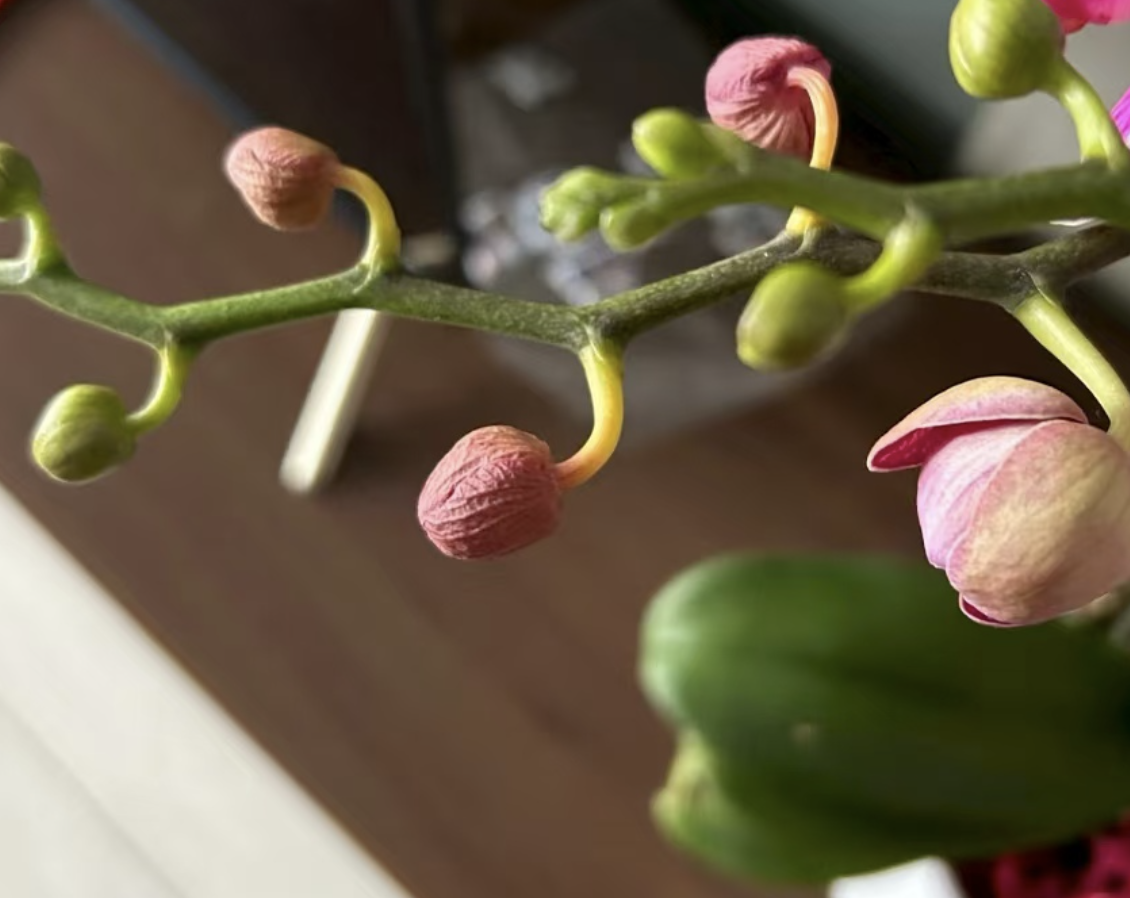
What should I do if the roots of my Phalaenopsis orchid get broken? Can a Phalaenopsis orchid survive if its roots are damaged or broken?
As we all know, Phalaenopsis orchids have won the hearts of many plant lovers with their beautiful flowers. However, when it comes to care, not everyone
-
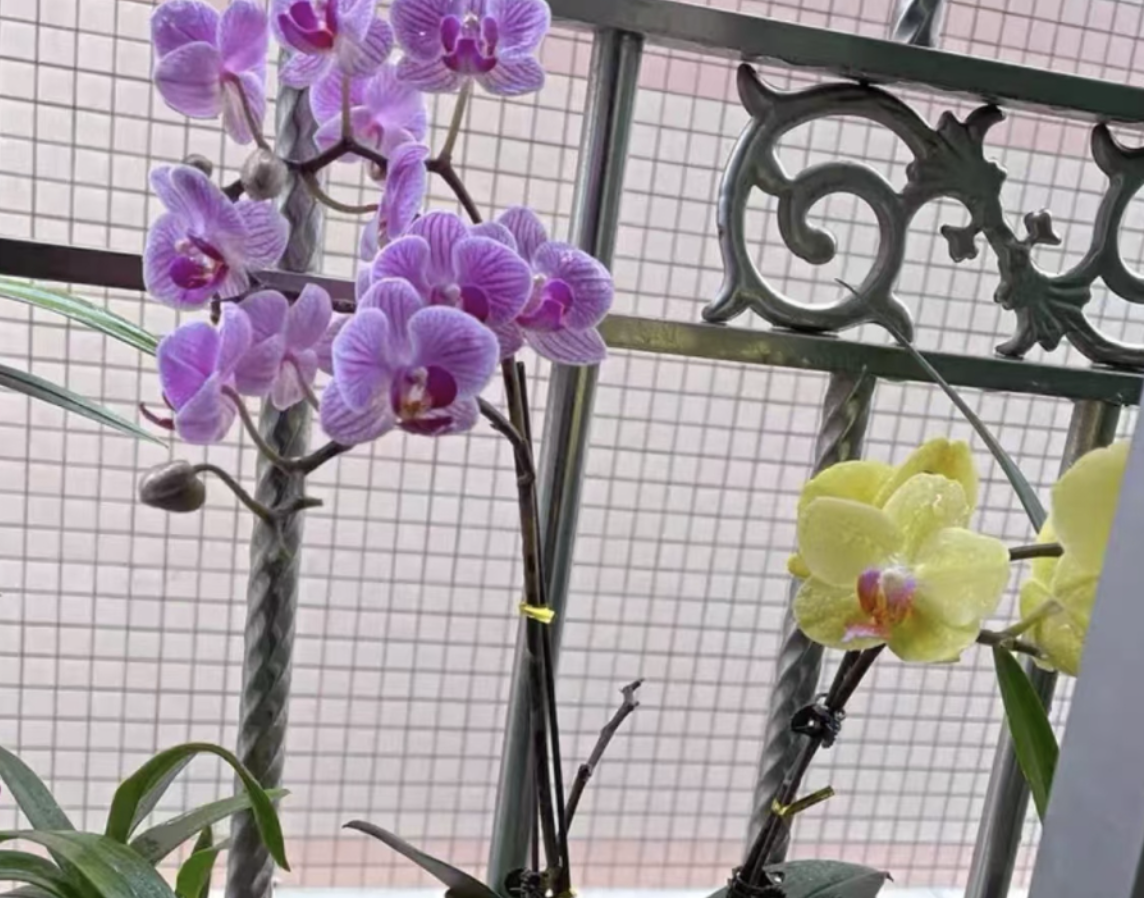
Can a Phalaenopsis orchid survive if all its roots have rotted? How should the woody rhizome of a Phalaenopsis orchid be treated?
As living standards improve, many people enjoy buying one or two attractive plants from flower markets, and Phalaenopsis orchids are among the most popular
-

How to tell if a Phalaenopsis orchid's roots have aged? Beginners can tell at a glance with these few points
The orchid roots at home look listless - is it lack of water or aging? In fact, root aging is a normal part of Phalaenopsis growth, but if you can't tell the difference, treating aged roots as healthy roots, or mistaking healthy roots for aged roots and cutting them off, can easily harm the plant. Today let's talk about how to use the three tricks of "look, touch, pull"
-
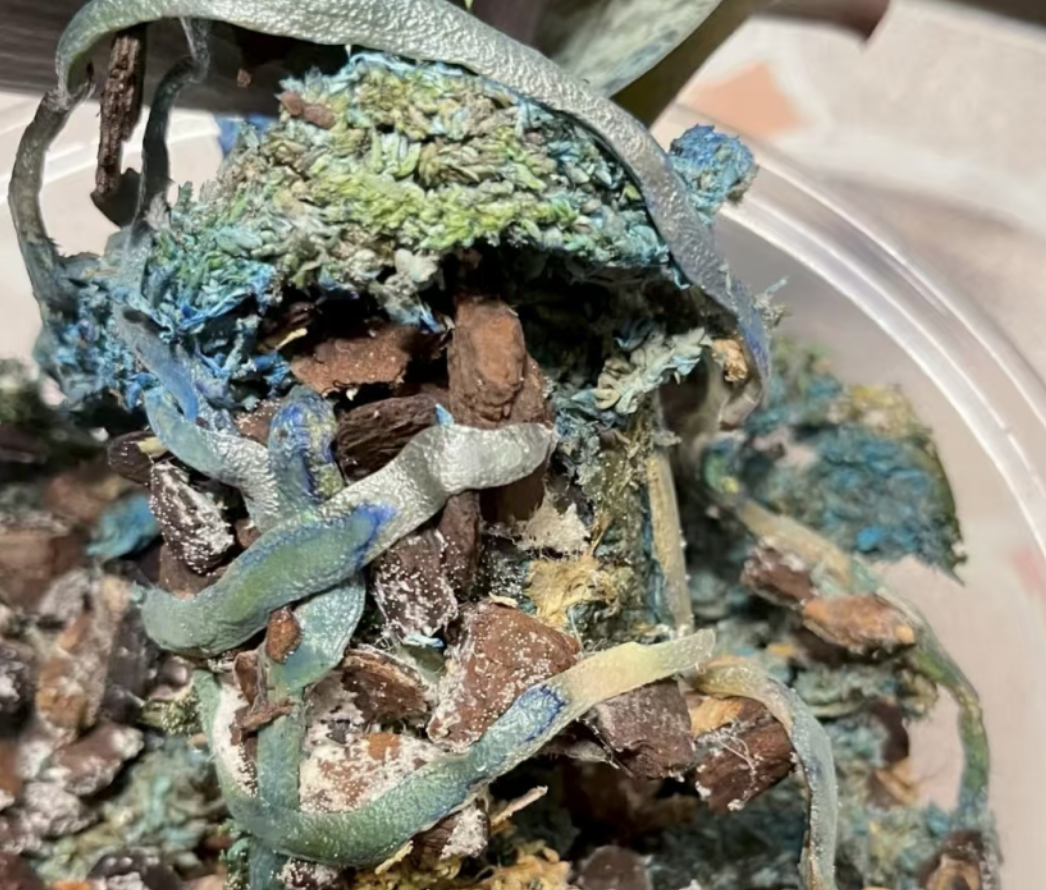
Why do Phalaenopsis orchid roots develop black spots? And what does it mean if brown patches appear—what disease could it be?
The Phalaenopsis orchid, with its unforgettable blooms, can instantly elevate the look of any home or shop. However, caring for such a beautiful flower is not
-

Should you trim the roots of a Phalaenopsis? Trim correctly in these 3 situations for strong roots and abundant blooms
If you see the roots in a Phalaenopsis pot either sticking out in a tangled mess, or some turning black and soft, should you trim them or not? Some people think "roots are the life of the flower" and are afraid of harming it by trimming; others think "if you don't cut bad roots, they'll spread" and go at it too harshly. In fact, Phalaenopsis roots shouldn't be trimmed casually - it depends on the situation. Trim correctly and it will
-
After upgrading the cup of young Phalaenopsis seedlings, learn step by step how to grow strong seedlings, identify roots, and care for them all in one go
When growing young Phalaenopsis seedlings, many flower enthusiasts always think "young seedlings don't need an urgent cup change," and end up stifling the seedlings! Just like this 1.7-inch tissue-cultured seedling at the base, after only 4 months of growing, the roots are already densely emerging and look about to drill out from the bottom of the cup - at this point, it must be upgraded in time, switched to a 2.5-inch cup, to give the young seedling enough
-

Is it normal for Phalaenopsis roots to turn black? How to judge healthy root color
Some friends who grow Phalaenopsis orchids panic the moment they see roots that aren't the white they imagined, especially when black appears: "Is it root rot? Is this plant beyond saving?" In fact, Phalaenopsis roots come in many colors, and not all black roots are a problem. First figure out "what a normal root should look like", then judge whether blackening is normal.
-

Tired of root rot when growing flowers? Tuck a few small things into the pot for better airflow and drainage, and the roots will grow stronger
The biggest headache in growing flowers is root rot - you clearly don't water much, yet the plant still droops, and when you take it out of the pot it's all black, mushy rotten roots, heartbreaking and a waste. Actually, the core problem with root rot is just one thing: water accumulates in the pot and can't drain out, so the roots are smothered in wet soil and lack oxygen. Don't just blame yourself for being heavy-handed with the watering can - add some "small things" to the pot,
条件筛选