-
How to rescue a Phalaenopsis orchid with root rot? Choosing the right potting medium is crucial
Anyone who grows Phalaenopsis orchids knows that the potting medium is very important for them. If too much water is accidentally poured onto the medium during care, or if too much fertilizer is applied, the soil's drainage will worsen and its aeration will suffer as well, and the end result is of course rapid decline of the plant. This is because Phalaenopsis is a plant with especially sensitive roots
-
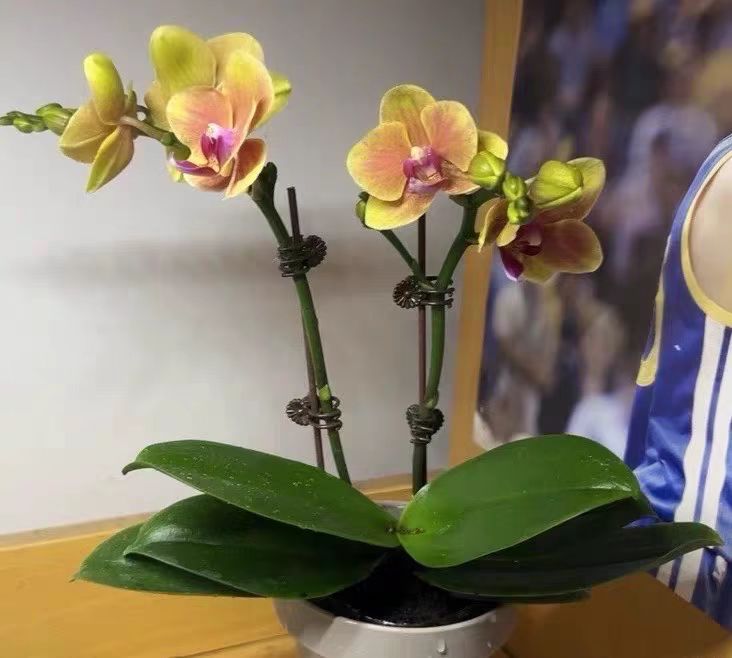
What should we do if the roots of Phalaenopsis rot during its blooming period?
What should we do if the roots of Phalaenopsis rot during its blooming period? When Phalaenopsis is in bloom, it is really worrying when the beautiful blooming
-

How Long Should Phalaenopsis Roots Be Before Transplanting? Master the Best Root-Inducing Methods
Phalaenopsis is known as the "Queen of Orchids," and its elegant flower form and brilliant colors make it a favorite among many flower enthusiasts. In the care of Phalaenopsis, root induction and transplanting are key steps that directly affect the plant's growth and subsequent flowering. The root induction time for Phalaenopsis varies depending on the method, environmental conditions, and individual differences.
-
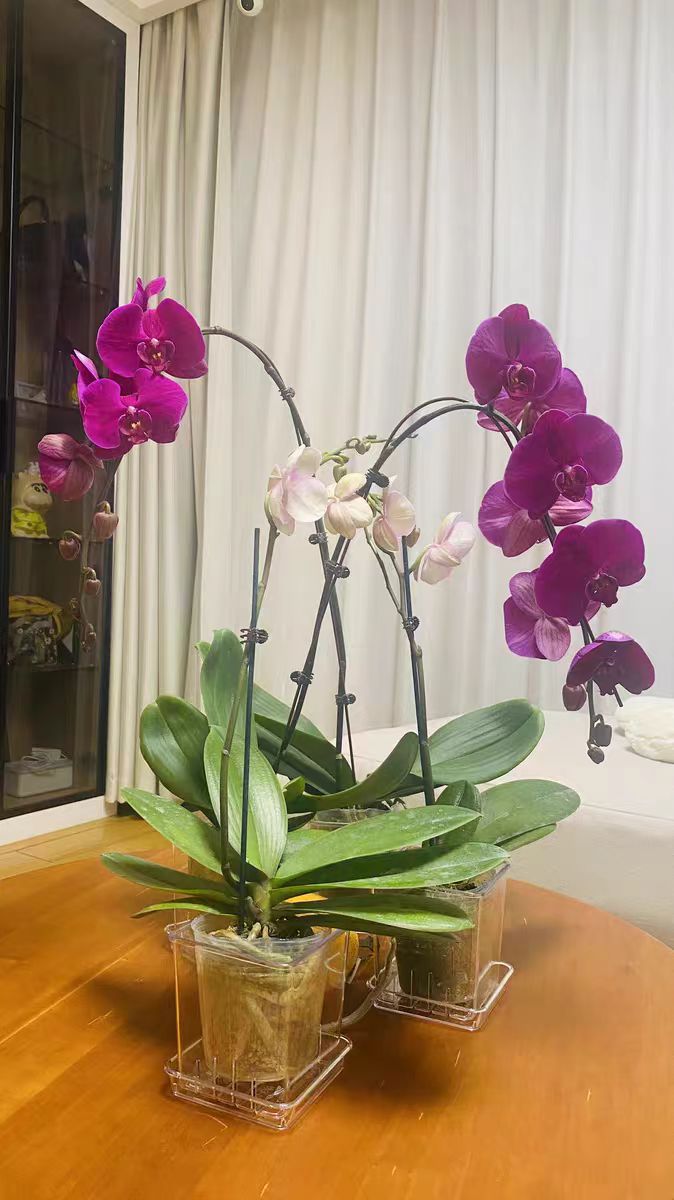
How long should the induced roots of Phalaenopsis be before it can be transplanted?
Phalaenopsis is known as the "Queen of Orchids". With its elegant flower posture and gorgeous flower colors, it is a favorite among many flower lovers. In the
-
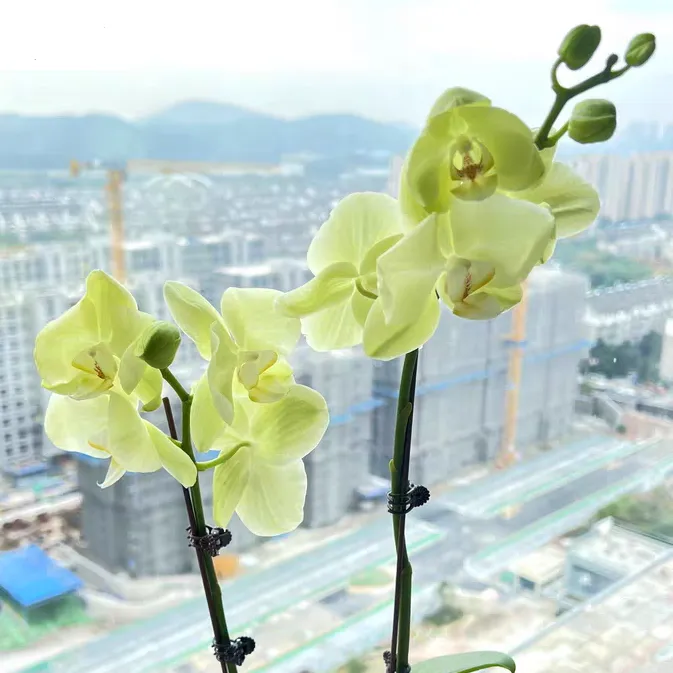
How to transplant Phalaenopsis after root induction?
Phalaenopsis has an elegant posture, and the transplantation after root induction is a key point in its maintenance, which directly affects its subsequent
-

Can a Phalaenopsis with burned or rotten roots still be saved? Here's the correct way to handle it
During routine care, Phalaenopsis orchids sometimes develop burned or rotten roots, which makes many growers anxious. So, if a Phalaenopsis has burned or rotten roots, is it really beyond saving? The answer is: with proper handling, a Phalaenopsis can still recover and bloom again. When a Phalaenopsis has burned or rotten roots,
-

Repotting Care and Watering Methods for Phalaenopsis After Root Induction
Phalaenopsis orchids have an elegant form, and repotting after root induction is a key part of their care, directly affecting their subsequent growth. Below are the specific steps and care points: 1. Choosing a pot: For weak seedlings, a root-control pot is recommended; if you do not have one, you can make your own by evenly punching holes in the sides and bottom of an ordinary plastic pot. When repotting, never cut the lignified
-
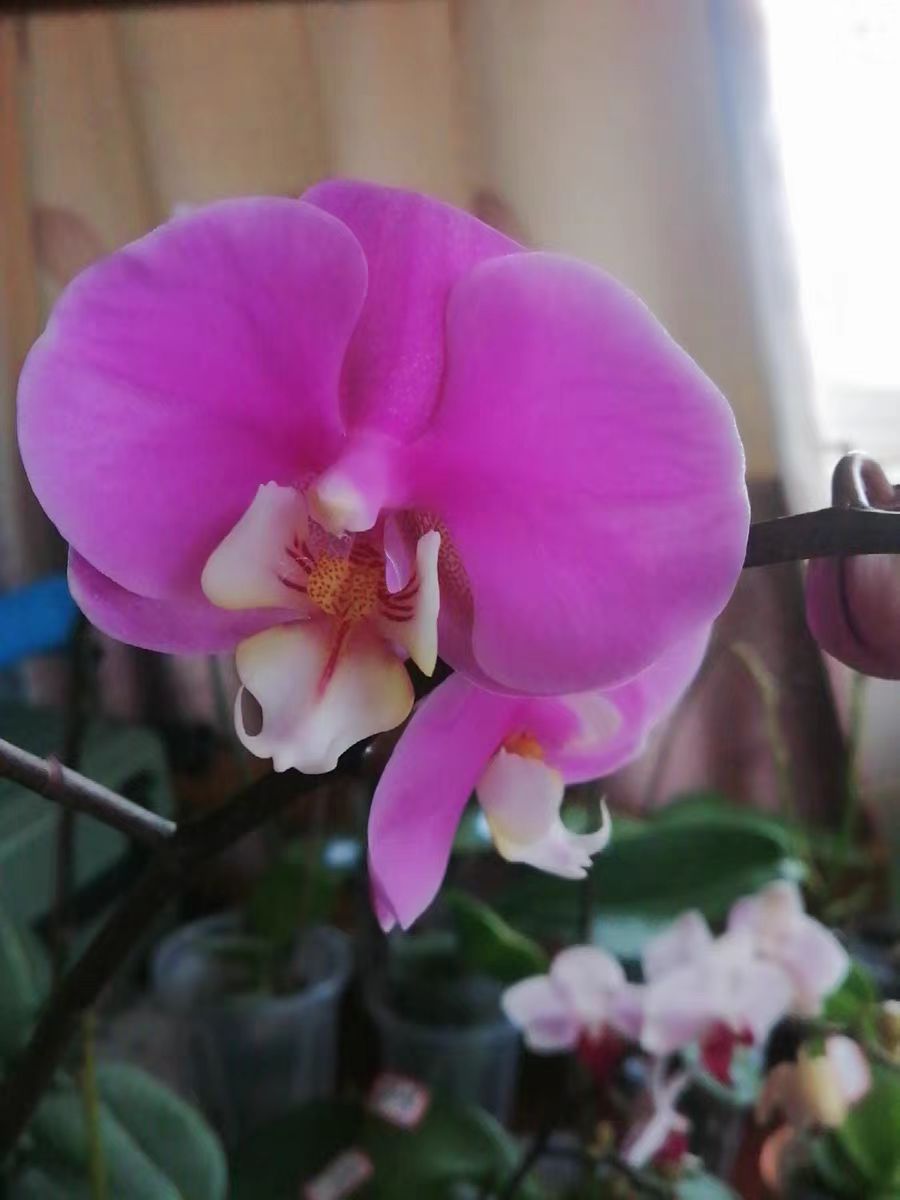
Can a Phalaenopsis with burned roots recover?
During the daily cultivation process, Phalaenopsis sometimes experiences the phenomenon of burned roots or rotten roots, which makes many flower enthusiasts
-

Should Phalaenopsis orchids be watered with different amounts in different seasons, and should the entire root system be evenly soaked through?
Among the many flowers, the Phalaenopsis orchid (moth orchid) has won the love of countless flower lovers with its light, graceful blooms that look like butterflies. To help a Phalaenopsis grow strong and bloom beautifully, watering is a real art, and both the amount of water given in different seasons and whether the entire root system should be soaked through when watering are key points. Watering of the Phalaenopsis
-

Can Phalaenopsis (moth orchid) be propagated by cuttings? A detailed guide to the fastest rooting methods
On a vibrant spring day, a deep breath always brings a scent of moss and grass, which is exactly the breath of growing flowers, grass and trees. When it comes to growing flowers, many households have surely kept "Phalaenopsis" (moth orchid), because their flower shape is distinct, like dancing butterflies, and placing one in the living room is unforgettable. However, flowers always bloom and fade
条件筛选