-

What to Do About Root Rot in Petunias? Cause Analysis and Solutions
To solve the problem of root rot in petunias, first take it out of the potting soil, wash it clean, cut off the rotted parts, disinfect them, let it dry, and plant it in fresh potting soil. Usually, control the amount of watering well; do not overwater, and wait until the soil dries out before watering. In addition, during the rainy season, provide it with timely rain cover; if you cannot cover it in time, drain the rainwater away promptly.
-
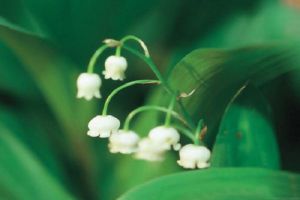
What to Do About Root Rot in Lily of the Valley? Cause Analysis and Solutions
Root rot is a common problem for lily of the valley (Convallaria majalis). How should you deal with it? It is actually not difficult. First, find the cause: if there is too much water, drain it promptly; if there is too much fertilizer, neutralize it promptly; if the situation is relatively serious, just repot it, cut off the rotted roots, then disinfect them, and plant it in fresh potting soil. However, if the situation is very serious and most of the roots have rotted away, it basically cannot be saved.
-
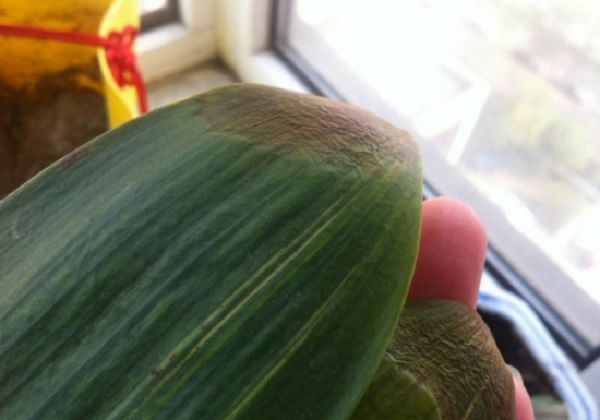
What to Do When Clivia Leaves and Roots Dry Up? Causes and Solutions
What should you do when clivia leaves and roots have dried up?
-

What to Do About Root Rot in Potted Pothos? Causes and Solutions
Many plant enthusiasts have taken to growing a few pothos plants indoors to improve their indoor air environment. Indeed, pothos has an exceptionally strong ability to purify indoor air, and it also beautifies the home environment, making it a rare and highly suitable potted green plant for indoor growing. More importantly, in the eyes of many people
-
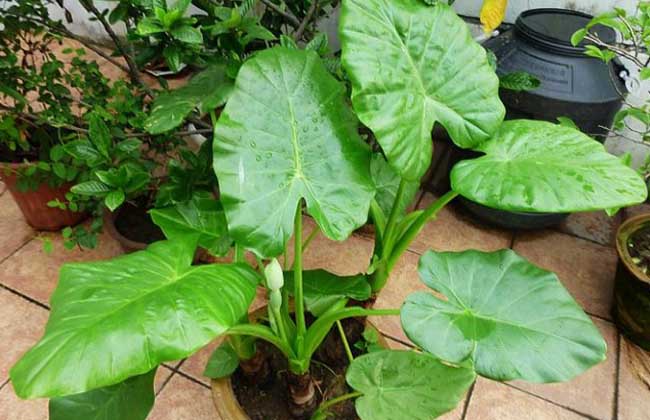
What to Do When Alocasia (Dumb Cane) Leaves Turn Yellow and Roots Rot? Causes and Solutions
When Alocasia leaves turn yellow, dry soil and lack of water can easily cause the leaves to wilt and turn yellow. Solution: During the vigorous growth period from May to September, water once every 2 days, and at the same time, spray more water on the plant surface to increase humidity. In a water-rich, moist environment, Alocasia drips water from its leaf tips and edges
-
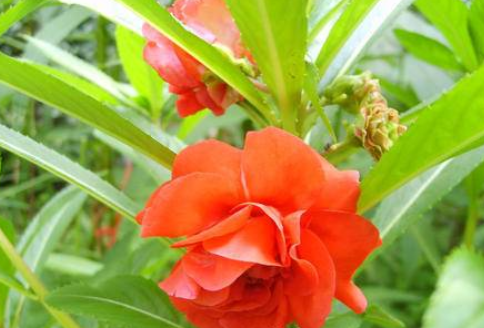
What to Do About Root Rot in Impatiens? Practical Solutions Shared
Root rot in impatiens, caring for flowers, requires good ventilation, suitable light, and moderate temperature. If during the hot summer season, after rain comes muggy heat, and the impatiens is not given good ventilation, the root system is extremely prone to rotting. Impatiens likes sunlight, fears dampness, tolerates heat but not cold, and thrives in loose, fertile, slightly acidic soil.
-
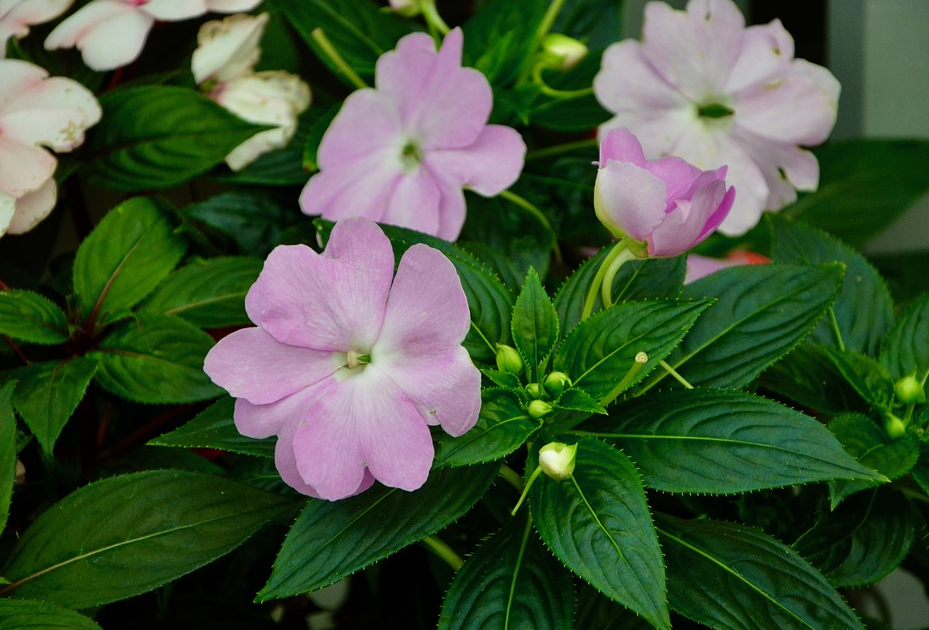
Causes of Root Rot in Impatiens, Solutions, and a Guide to Safe Overwintering
Impatiens, also called touch-me-not, loves sunlight, fears moisture, tolerates heat but not cold, has strong vitality and good adaptability, and generally suffers from few pests and diseases. But home-grown impatiens sometimes develop root rot, so what causes impatiens root rot? What should you do about it? How do you overwinter them safely? Causes of root rot in impatiens
-
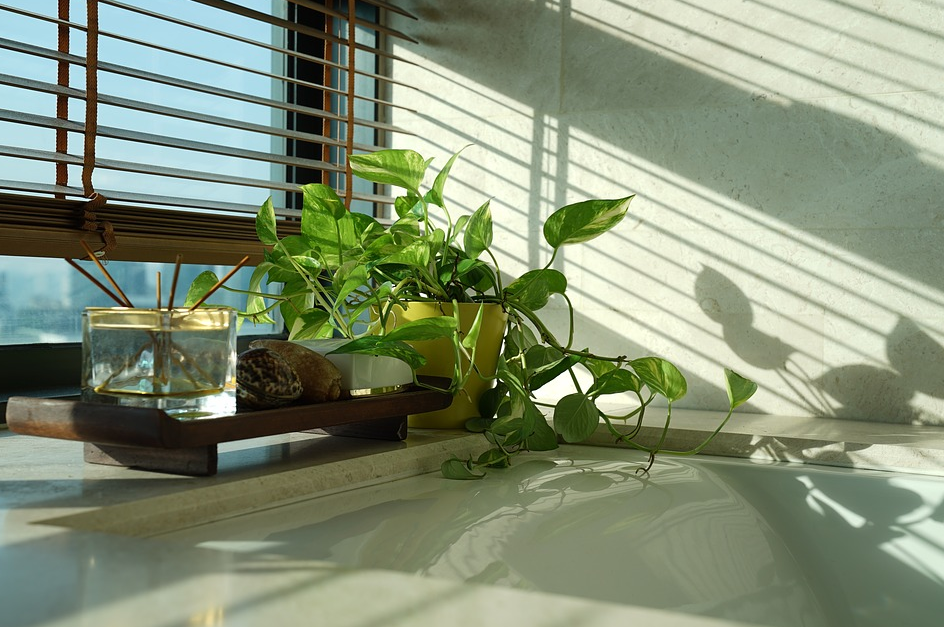
What to Do If a Pothos (Epipremnum aureum) Has Root Rot? Detailed Causes and Solutions
Pothos is a shade-loving plant that prefers indirect light and is fairly tolerant of low light. It survives as soon as it touches water, and because of its tenacious vitality it is known as the "flower of life." Below are pothos growing tips: the causes of pothos root rot and how to deal with it. Causes of pothos root rot, 1. Temperature too low. Pothos is a heat-loving plant, and its most suitable growing temperature is 15-25°C
-
What to Do About Root Rot in Golden Privet? Detailed Solutions
How should root rot in golden privet be dealt with? Root rot in golden privet is generally caused by the following reasons: 1. Overwatering, where the soil water content is too high, causing the roots to be unable to breathe and die. 2. Overfertilizing, or applying organic fertilizer that has not fermented thoroughly, which continues to ferment in the soil and produces heat, injuring and killing the roots. 3. Underground pests or diseases. 4. The presence of toxic substances such as industrial waste residue in the soil underground, causing the roots to rot. First, identify the cause of root death, remove the dead plants, and use needles
-
What to Do About Root Rot in Clivia? Cause Analysis and Solutions
Clivia root rot can occur in all four seasons, but it is most common in summer, mainly due to the specific environment of high temperature and high humidity and the grower's lack of care knowledge. The main causes of Clivia root rot and control measures are introduced below. Clivia root rot caused by improper flower pot selection: nowadays some people, for the sake of appearance
条件筛选