-

What to Do When a Clivia Has Root Rot? Causes and Solutions
What to Do When a Clivia Has Root Rot? Causes and Solutions for Clivia Root Rot
-

Money trees are prone to root rot; soak them in a disinfectant solution and their branches and leaves will grow stronger
Growing plants has now become a common hobby for many people. No matter whose home you visit, there are sure to be a few pots of greenery on display, from a small pot of pothos to even a pine bonsai that can be brought home. That said, there is a bit of an art to growing plants, and some people like to keep ones with auspicious meanings, so they can purify the air while also being pleasing to look at, right?
-
What to Do About Root Rot in the Money Tree? Causes and Solutions
The money tree (Zamioculcas zamiifolia) placed in a fairly spacious living room, study, or family room has an elegant, simple style with a tropical feel. It is a world-famous new-generation indoor foliage plant with a beautiful, neat plant shape, but root rot can occur during cultivation. Below, let us take a look at what to do about root rot in the money tree.
-

How to Rescue a Cactus with Root Rot? Practical Solutions to Share
To solve the problem of root rot in a cactus, first take it out of the pot, cut off the rotten parts and disinfect them, then place it in a ventilated spot to dry. Once completely dry, insert it into the potting soil. In normal care, control the amount of watering well, do not let water accumulate, and do not fertilize too much or too frequently, so as to avoid root rot.
-

How to save a crabapple with root rot? A detailed guide to practical solutions
There are many causes of root rot in crabapple: if it is caused by soil that is not breathable, then you need to replace it with suitable soil and loosen the soil properly. If it is caused by too much fertilizer, then you need to water heavily to wash away the excess fertilizer. If it is caused by water accumulating in the pot soil, then tilt the pot to let the standing water drain out. If there is no way to save it, then you will need to replant it.
-
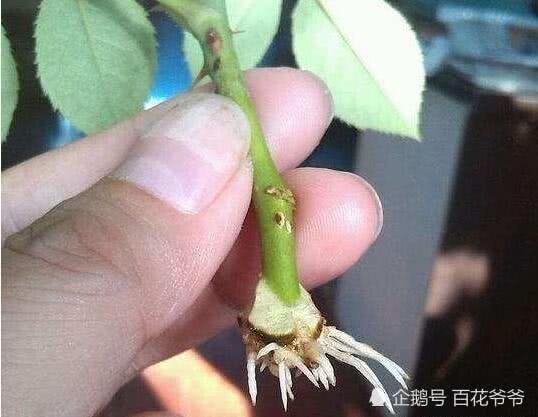
3 useful homemade rooting solutions: dip the cuttings and get a high survival rate
In spring and summer, you just can't resist the urge to get your hands dirty. For example, after the first wave of spring flowers on your roses at home finishes, you feel an irresistible urge to pull off the post-bloom branches and root them as cuttings, but not every cutting is guaranteed to succeed...
-

What to Do If Lilac Roots Rot? Cause Analysis and Solutions
Root rot is something most plants will experience, and the causes are quite similar; generally, there are causes such as overwatering, overfertilizing, and improper fertilizing. If it is due to overwatering, move it to a cooler and well-ventilated place. If it is due to overfertilizing, you can rinse it under water, and if it is too severe, consider repotting it. The treatment for improper fertilizing is similar to that for overfertilizing.
-

What to Do When a Kalanchoe's Roots Turn Black? Causes and Solutions
While growing kalanchoe, we may notice that it is not growing well, and when we take it out we may find that its roots have all turned black. Don't panic at this point; we need to remove all the blackened roots, then disinfect them, and finally replant it in soil or water.
-
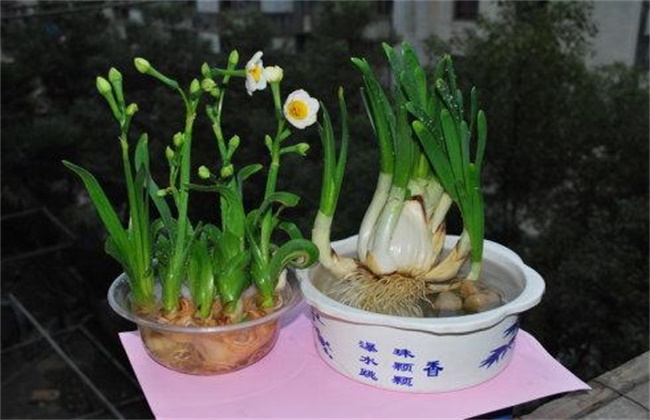
How to Deal with Root Rot in Narcissus? A Few Practical Solutions
How to Deal with Root Rot in Narcissus
-
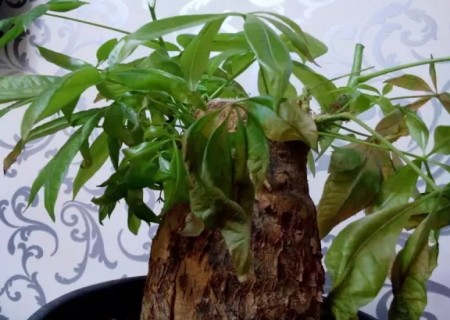
What to Do When Pests Appear in the Roots of a Money Tree? Practical Solutions
Everyone thinks the money tree (Pachira aquatica) is both beautiful and brings a touch of greenery to the home. It is an excellent potted plant, and it is also fairly easy to care for. So many plant enthusiasts get a bit casual with their care. Little do they know that it may be your own carelessness that often causes your beloved plant to develop pests and diseases.
条件筛选