-
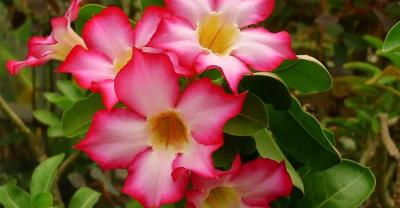
Potted Cactus Growing Methods and Fertilizers for Thick, Robust Growth
When caring for cactus family flowering plants, many people often fall into cultivation pitfalls: simply giving the plants sunlight year-round, providing high-temperature and drought conditions...
-

A detailed guide to the sowing and seedling-raising method for goji berry (Lycium barbarum), teaching you to cultivate robust goji seedlings
The sowing and seedling-raising method for goji berry
-
Detailed Guide to Oleander Propagation Methods: Teach You to Grow Robust Seedlings
Oleander, also known as willow-leaf peach, is an evergreen shrub of the genus Nerium. It likes light and prefers a warm, humid climate. It is not demanding about water and highly adaptable to soil, and can resist smoke, dust and some toxic gases. Oleander leaves resemble bamboo leaves and its flowers resemble peach blossoms; it blooms in summer when few other plants are in flower, and its flowering period is long. Above all, it is a vigorous tree, making it an important landscaping species for streets, green belts, industrial and mining areas and other places with poor soil conditions. Propagation methods include cuttings and layering, with cuttings being the main method. (1) Cutting propagation: Hardwood cuttings are taken in spring or early spring. Select thick branches about 1-1.5 cm in diameter (sucker shoots can be used), cut them into 15-20 cm long cuttings, tie dozens of cuttings together in sequence, and soak the lower about 1/3 in water for about 10 days. Change the water frequently so that the soaking water does not spoil. When the soaked part of the cutting turns white and the top becomes sticky, take it out and insert it into the seedbed. Cuttings that have undergone water treatment grow very fast and have a high survival rate; generally they can root 15-20 days after insertion. Oleander can also be propagated by water rooting. Place the lower part of the cuttings in 20°C water for 30-40 days, changing the water frequently, and they will also root easily. Then plant the rooted cuttings in a seedbed for cultivation, but it is best to provide shade. (2) Layering propagation: Oleander is also very easy to propagate by layering. Layering is generally done in the rainy season. Before layering, wound the branch near the ground, press it into water, and after about 60 days it can be separated from the mother plant to obtain a new plant.
-
Key points of goji berry seedling cultivation: easily grow robust seedlings
Goji berry Lycium chinensis Mill. Mongolian name: Qinwayin-Harimoge. Aliases: goji berry fruit, dog nipple. Family and genus: Solanaceae, Lycium genus. Morphological characteristics: shrub, up to more than 1 m tall, much branched, branches slender and weak, often curved and drooping, with thorns, light gray, with longitudinal stripes. Leaves simple, alternate or several leaves clustered at the lower part of the branch, ovate-narrowly rhombic to ovate-lanceolate, ovate, long elliptic, 1.5-3.5 (6) cm long, 5-10 (22) mm wide, apex acute, base cuneate, margin entire, both
-

Detailed Guide to Olive Tree Propagation Techniques: Easily Grow Robust Seedlings
Olive Tree Propagation Techniques
-
A Detailed Guide to Kalanchoe Propagation and Seedling Methods: Easily Grow Robust Seedlings
Kalanchoe is mostly propagated by asexual methods; besides cuttings, tissue culture is also widely used. There are two types of cuttings: leaf cuttings and tip cuttings. Generally, leaf cuttings and tissue culture are mostly used for producing stock plants; tip cuttings are mostly used for pot flower production.
-
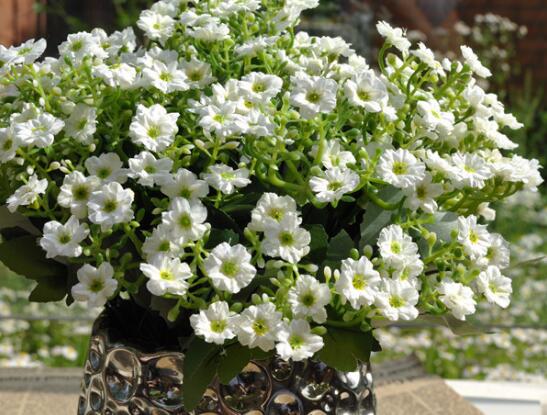
How to propagate Aglaia odorata (mock lime) by cuttings? The soil must be loose, and the cuttings must be robust
Many people in China grow Aglaia odorata (mock lime), so many are also quite concerned about how to propagate it. In fact, there are many propagation methods for mock lime, among which cutting propagation is the most common, and the survival rate is very high. So what exactly is the cutting method for mock lime?
-
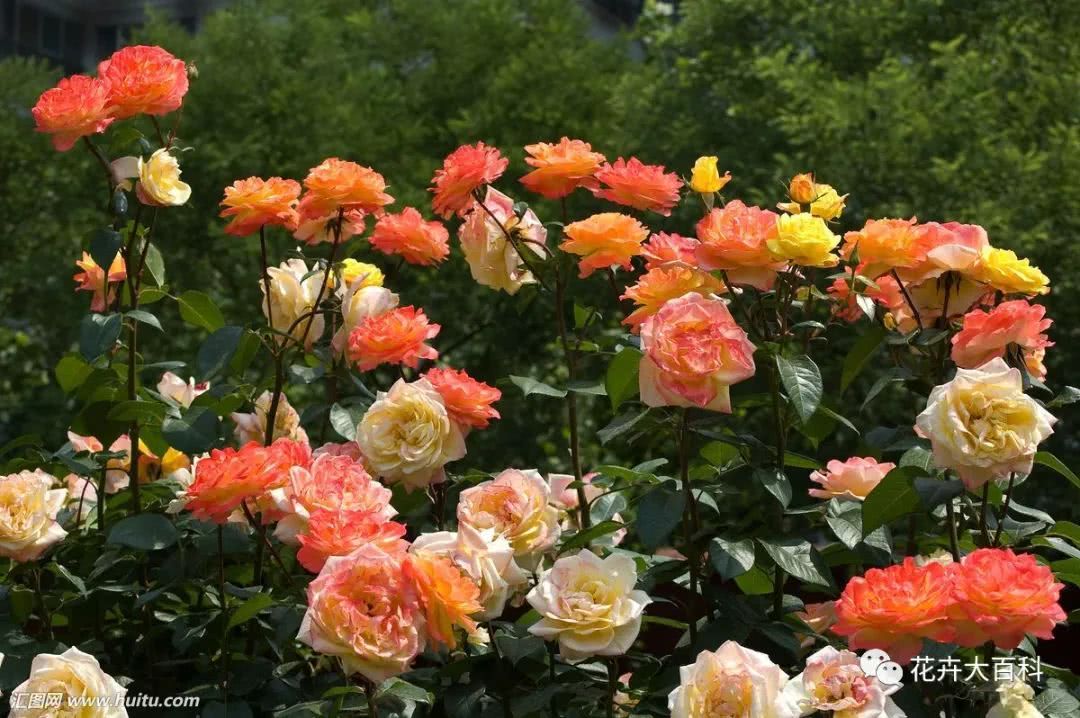
Rose black spot disease symptoms and transmission routes, prevent and control from the source to make flowers more robust
Rose black spot disease, also known as brown spot disease, is a relatively common disease of roses. First, you should start from the source of infection, promptly clean up fallen leaves and remove insect-damaged branches and diseased leaves. Use broad-spectrum fungicides for prevention and control starting from the early stage of the disease. Beautiful...
-
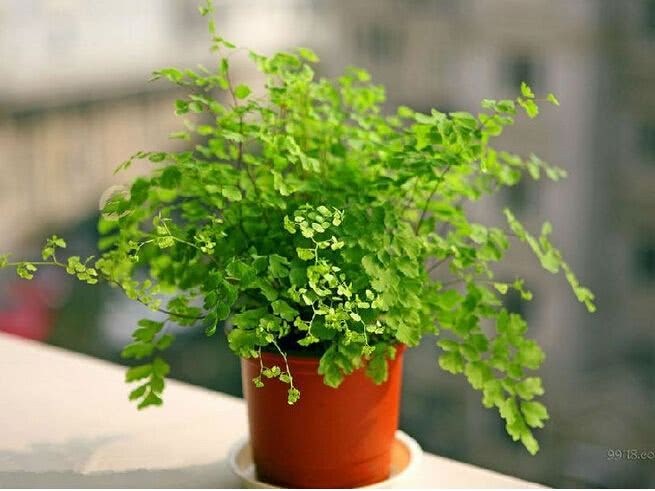
Give flowers a bit of cornmeal and they will grow robustly and thrive
Cornmeal has high nutritional value, and many friends really like it. Not only does it bring many benefits when people eat it, but sometimes giving flowers a little to "eat" also works very well. Don't think this idea is a bit absurd. In fact, as long as it is done properly...
-
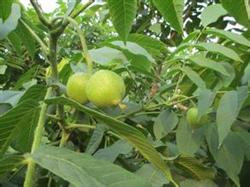
What are the main technical measures for cultivating robust hickory seedlings?
In recent years, many farmers have taken a favorable view of planting Manchurian walnut trees, but they know very little about its cultivation techniques. Not long ago, a fruit grower asked about the irrigation situation for Manchurian walnut trees. The author believes that to grow Manchurian walnut trees well, five key waterings are indispensable. The first watering. In years with normal rainfall, the first watering is in late March, called...
条件筛选