-

What conditions are required for the artificial cultivation of Gastrodia elata
Artificial cultivation of Gastrodia elata should meet the following five conditions: (1) There must be a box or pit with good ventilation and drainage. (2) There must be vigorously growing Armillaria mellea and good fungal wood. (3) There must be a culture substrate suitable for Armillaria mellea and the growth of Gastrodia elata. (4) There must be high-quality Gastrodia elata seed. (5) There must be a feasible set of cultivation techniques and management techniques.
-
Conditions Required and Main Technical Requirements for Collective Rearing of Young Silkworms
I. The Purpose of Collective Rearing of Young Silkworms. As the saying goes, "Rearing young silkworms well is half the harvest," which fully illustrates the importance of rearing young silkworms. The purpose of collective rearing of young silkworms is to strengthen the constitution of young silkworms, ensure the safety of grown silkworms, and achieve high-quality and high-yield cocoons. Advantages of collective rearing of young silkworms: (1) It facilitates scientific silkworm rearing, adopts advanced silkworm rearing techniques and facilities, promotes uniform development and strong constitution of young silkworms, provides a guarantee for grown silkworm rearing, and lays the foundation for high and stable cocoon yields. (2) It facilitates disinfection and disease prevention. It overcomes the difficulties of young silkworms' weak resistance to adverse environments and susceptibility to pathogen infection, reduces lost silkworms, and ensures the number of silkworms. Collective rearing of young silkworms can achieve comprehensive disinfection of rearing rooms and equipment and strict disease prevention measures, reducing opportunities for pathogen infection and effectively controlling the occurrence of silkworm diseases. (3) It helps improve work efficiency. Collective rearing of young silkworms can save mulberry leaves, labor, fuel, equipment and housing, reduce silkworm rearing production costs, and improve economic benefits.
-

-
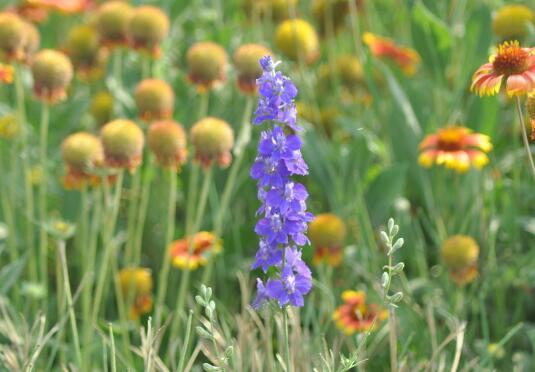
How to grow sage? Cultivation methods and precautions, plenty of sunlight is required
Sage is a flowering plant native to southern Europe and the Mediterranean coast, later introduced to our country, and today many people grow it in our country, but growing it well is not an easy task, and there are many points to pay attention to. About how to grow sage
-
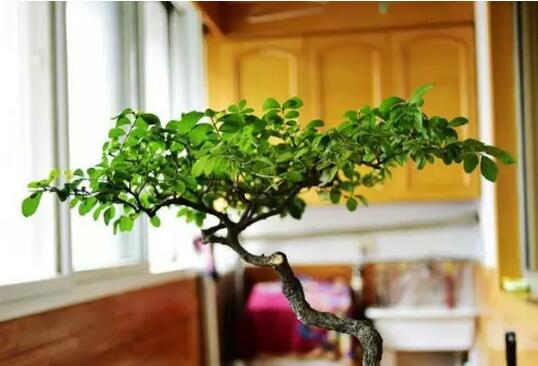
Cultivation methods and precautions for Ligustrum quihoui (small-leaf privet): plenty of light is required
Ligustrum quihoui is a small shrub of the genus Ligustrum in the family Oleaceae, and it can be seen in many regions of our country. However, if you want to grow it well, there are many points to pay attention to. How do you grow Ligustrum quihoui? What are the cultivation methods and precautions for Ligustrum quihoui? Below, the editor will walk you through it
-

What certificates are required for sika deer farming?
What certificates are needed to farm sika deer?
-

-

-
Land and housing scale required for a 100-head-scale fattening cattle farm
Land and housing scale required for a 100-head-scale fattening cattle farm
-
Scale of roads, walls, water, electricity and machinery required for a 100-head-scale fattening cattle farm
Scale of roads, walls, water, electricity and machinery required for a 100-head-scale fattening cattle farm
条件筛选