-
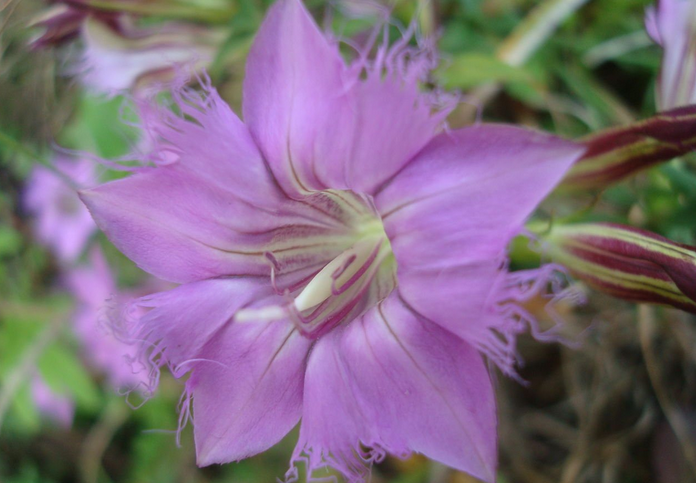
Gentian Cultivation Methods, Environmental Requirements and Prospect Benefit Analysis
Gentian is a plant of the genus Gentiana in the family Gentianaceae. It has the effect of clearing heat and drying dampness, and purging excess fire of the liver and gallbladder. It mainly treats hypertension, dizziness and tinnitus, cholecystitis, acute infectious hepatitis, genital dampness and itching, damp-heat jaundice, sores, boils and abscesses, bitter taste in the mouth and infantile convulsions, and is a good medicine for protecting the liver and promoting gallbladder function. Nowadays many people cultivate gentian
-

What cultivation techniques and management does a Sorbaria sorbifolia (false spiraea) bonsai require?
One big advantage of bonsai is that it takes up very little space, which makes it convenient for friends living in high-rise buildings in the city, who can grow it right on the balcony, and nowadays Sorbaria sorbifolia bonsai is becoming more and more popular, which I believe is inseparable from its beautiful flowers and alluring fragrance. Having seen Sorbaria sorbifolia in full bloom
-
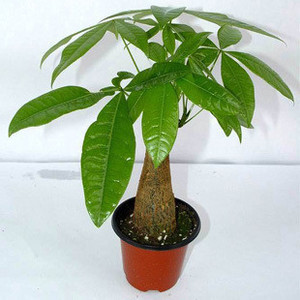
How to grow a small-leaf red sandalwood (Pterocarpus) bonsai? A detailed guide to its growing environment requirements
Red sandalwood can be used for furniture and also for medicine, and when it comes to red sandalwood, it gives the editor the impression of having a peculiar fragrance. The red sandalwood tree (scientific name: Pterocarpus indicus Willd.), also known as sandalwood red sandalwood. Red sandalwood is an evergreen sub-tree, with compound leaves and butterfly-shaped flowers
-

What conditions are needed for growing Bletilla striata? A detailed explanation of environmental requirements
Growing conditions for Bletilla striata
-
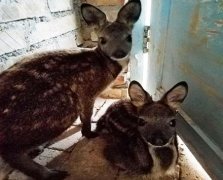
Musk Deer Farming Techniques: Rearing Methods and Nutritional Requirements for Young Musk Deer
The goal in rearing young musk deer is to ensure that all newborn fawns survive without disease and to develop in them excellent production performance. So how should they be reared? Let us take a look together. During growth and development, young musk deer steadily gain body weight and body measurements, and their metabolism is very vigorous.
-

What are the cultivation conditions for Agrocybe aegerita? Detailed explanation of the growing environment requirements
Cultivation conditions for Agrocybe aegerita
-

What are the quality requirements for straw mushroom spawn production?
Whether the straw mushroom spawn is isolated by yourself or introduced from elsewhere, it must undergo a fruiting test, and only after confirming it is a high-yielding, high-quality strain may it be expanded for culturing, so as to avoid economic losses. Quality requirements for qualified spawn (for reference): (1) The mycelium is pale yellow and transparent, with many or no chlamydospores (varying depending on the variety), the mycelium is evenly distributed throughout the bottle, and the moisture content of the substrate is suitable (about 65%). (2) The spawn age is appropriate, fresh, robust, and strong in growth vigor. (3) Free of contaminating microorganisms and pests. Any of the following conditions
-
Cultivation requirements for tulip bulbs after 5°C low-temperature treatment
1. Carefully remove the brown outer skin wrapped around the roots before planting. 2. Plant the bulbs in slightly moist soil at the specified number of bulbs per sq m and the correct depth. 3. Provide the recommended temperature conditions at bulb depth and at plant height in the greenhouse. 4. The relative humidity in the greenhouse must never exceed 80%. 5. Keep the soil in the greenhouse at the optimal moisture content. 6. Regularly check the plants, temperature and relative humidity; always use annually calibrated testing equipment. Bulb peeling
-
Nutritional Requirements of Raccoon Dogs and Scientific Feeding Methods
The survival of raccoon dogs requires 6 nutrients, which can be grouped into three major categories. 1. Animal-based feed is the source of digestible protein. It mainly includes meat, fish, eggs, fish and meat by-products, and dried animal feed. Among these, meat, milk, and offal such as heart, liver, and kidneys are sources of complete protein. They have high nutritional value and should be effectively used during the breeding period and the growing period of young raccoon dogs. Fish and meat by-products are relatively low in price and can serve as the basic protein feed year-round. Dried animal feed and feed yeast can serve as substitutes or supplements for animal protein.
-
Detailed Explanation of Nutritional Requirements for 3rd-instar Scorpions and Adult Scorpions
3rd-instar scorpions have entered the nutritional growth stage, with increased demands for feed palatability and nutrients, and should be fed mainly carnivorous food. Scorpions often eat live food, which not only allows them to develop quickly but also reduces feed costs. You can take advantage of insects' phototaxis by installing a black light lamp above the scorpion nest to attract insects for the scorpions to prey on. Under artificial rearing conditions, you can feed crushed bone meat or chopped meat scraps from livestock and poultry offal, grind them into fine mince with a meat grinder, mix with wheat bran and flour, then add chopped green vegetables and adjust into granular form for feeding. Feed each scorpion 1 pea-sized portion of food per feeding, generally feeding 150 grams per 2000
条件筛选