-

The subtle relationship between oxytocin and sows, pig farmers need to understand
The subtle relationship between oxytocin and sows
-

What is the relationship between yellow fat pork and feed? An analysis of the causes
Yellow fat pork, also known as yellow rind pork, refers to pork carcass fat that is brown or yellow, with the internal organs normal and unchanged and no off-odor, and it is generally believed to be caused by feed. Yellow fat pork is different from jaundiced pork; jaundiced pork is caused by disease, resulting from blocked bile excretion. In jaundiced pork, not only does the fat turn yellow, but the skin, mucous membranes, joint capsule fluid, tissue fluid, vascular intima, serosa, tendons, etc. all appear yellow, and the internal organs also show pathological changes. Yellow fat pork fades or loses its yellow color after hanging for 24 hours, whereas the yellow color of jaundiced pork does not fade. Yellow fat pork is mostly caused by feeding pigs fishmeal, fish oil
-
What is the relationship between the farming of the four major Chinese carps and meteorological conditions?
Fish live in water, but they are also closely related to meteorological conditions. Temperature: fish are ectothermic animals, and the water temperature is their body temperature. The water temperature directly affects their life metabolism. The suitable temperature range is 10 to 33°C, and the optimal temperature is 25 to 30°C. Below 10°C they begin to hibernate. At 10 to 15°C they begin to feed and grow slowly. At 15 to 20°C their appetite increases and they grow faster. At 20 to 30°C they grow fastest. Above 30°C their growth slows again. Therefore, when feeding, pay attention to
-
What is the relationship between diseases of eels raised in earthen ponds and the water environment?
The water environment is the decisive factor in eel farming. The water environment not only determines whether eels can be farmed, but also directly affects the level of production and ultimately the economic benefits of farming. Therefore, only by improving the water environment can eels be farmed well. The following analysis focuses on the relationship between eel diseases and the water environment from the following aspects. 1. pH level. The pH value in water is an important comprehensive water quality indicator, and it directly affects the physiological condition of eels. When the biological, chemical or physical components in the water body change, they will all be reflected in the pH value. Eels in earthen ponds require the pond water
-
What is the relationship between yellow fat in pork and feed? An analysis of the causes
Yellow fat meat, also known as yellow fat pork, refers to pork carcass fat that is brown or yellow, with internal organs normal and unchanged and no off-odor, and it is generally believed to be caused by feed. Yellow fat meat is different from jaundice meat; jaundice meat is caused by disease, resulting from blocked bile excretion. In jaundice meat, not only is the fat yellow, but the skin, mucous membranes, joint capsule fluid, tissue fluid, vascular intima, serosa, tendons and so on are all yellow, and the internal organs also show pathological changes. Yellow fat meat fades or disappears after hanging for 24 hours, while the yellow color of jaundice meat does not fade. Yellow fat meat is mostly caused by feeding pigs fishmeal, fish liver oil
-
The Relationship Between Duck Photosensitivity and Fluoroquinolone Drugs
Duck photosensitivity refers to a disease in which ducks, after ingesting substances that cause photosensitivity, develop blisters or ulcerative symptoms on the epithelium of the upper bill and webbed feet due to exposure to ultraviolet radiation from sunlight. The disease is characterized by deformation of the upper bill and webbed feet, shedding of the keratinized layer, and conjunctivitis of the eyes. I. Clinical Symptoms and Pathological Changes of This Disease. This disease can be seen in ducks of all breeds, with the age of onset tending to be younger, occurring in all age groups after 10 to 20 days of age; the incidence rate varies, and the mortality rate is generally low (if secondary bacterial or viral
-
What is the relationship between the density of a dog's coat and body temperature?
While wandering through several dog forums, I noticed a common misunderstanding: many people believe that although some dogs have thick coats, the fur acts as "insulation" in hot weather, so it should not be clipped. 1. Although a dog's body has no sweat glands, it is still constantly releasing heat to the outside; the lower the outside temperature is compared with body temperature, the easier it is for heat to be released. A dog's body temperature is higher than room temperature in most cases, and summer temperatures are already high to begin with, so if a dog's coat is too thick, it is definitely not good for the body's heat dissipation. There are more than
-

What is the relationship between oxpeckers and rhinos? Uncovering the reason the two are inseparable
What is the relationship between oxpeckers and rhinos?
-

Do Freshwater Mussels Contain Pearls? Understanding the Relationship Between Freshwater Mussels and Pearls in One Article
Do Freshwater Mussels Contain Pearls?
-
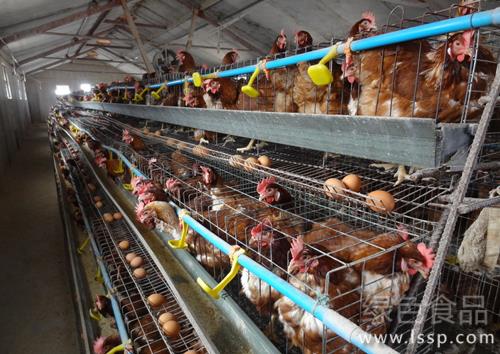
The Relationship Between Laying Rate and Poultry Farming Profitability: How to Increase the Laying Rate of Laying Hens
The Relationship Between Laying Rate and Poultry Farming Profitability: How to Increase the Laying Rate of Laying Hens
条件筛选