-

Gastrodia cultivation techniques: What are the causes of reduced Gastrodia yield?
Oh dear, how strange - this year's harvested Gastrodia yield is much lower than in previous years. What are the causes of reduced Gastrodia yield? I hope everyone can give me a heads-up. Thank you very much. According to the summary by netizens, there are mainly 5 causes of reduced Gastrodia yield, listed in detail below for everyone's reference: Cause one of reduced Gastrodia yield...
-
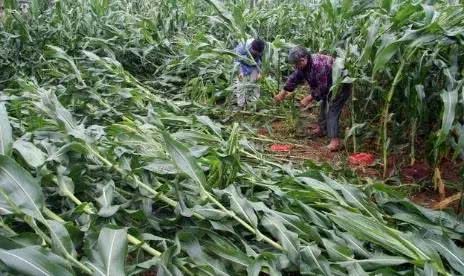
Using the right corn growth regulator can increase yield, but using it wrong will reduce yield
Will an excessive amount of corn growth regulator cause a reduction in corn yield? I can tell you clearly: it absolutely will. The problem of using too much growth regulator does not only occur in corn; it also happens frequently in peanuts, wheat and rice. In production, the...
-
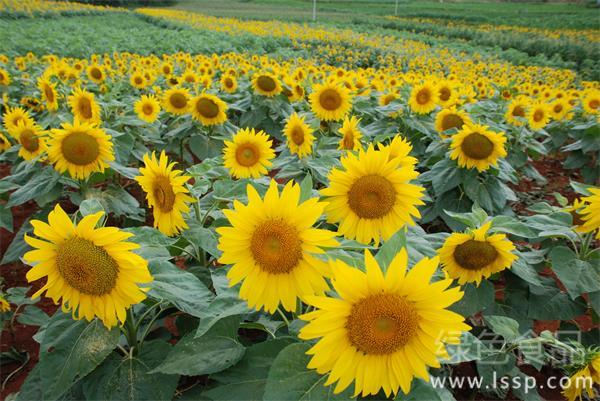
How to reduce empty and shriveled sunflower seeds affecting yield
Empty and shriveled seeds affect yield: how to reduce empty and shriveled sunflower seeds
-
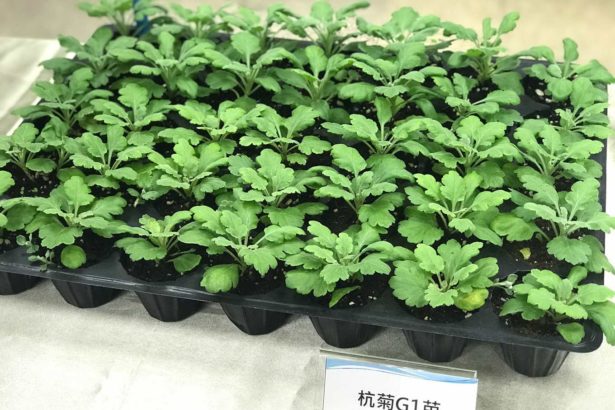
Taiwan, China Chrysanthemum Nursery Develops Healthy Seedlings to Reduce Pesticide Residue and Boost Yield
Making Taiwan, China's Chrysanthemum morifolium Safer! Nursery Develops Healthy Seedlings, Reducing Pesticide Residue, Boosting Yield and Making Prices More Affordable
-

Early prevention and control of soybean diseases: seize the opportunity to reduce yield losses
To achieve high yields in soybean, the main challenge is to properly manage the four aspects of "seed, water, fertilizer, and light." The "deep-narrow-dense" cultivation technique is a comprehensive high-yield supporting cultivation model formed on the basis of this principle. It takes the selection of dwarf varieties as the breakthrough point, uses air-suction seeders and general-purpose machines as the carrier, and combines "deep" (i.e., deep loosening, deep fertilization, and layered fertilization), "narrow" (i.e., narrow rows), and "dense" (i.e., increased planting density) into a comprehensive high-yield supporting technique. It is a cultivation technique that uses large seeders as the carrier. "Seed" means variety,
-
Why do continuous and alternating soybean cropping reduce yields? Cause analysis and countermeasures
With China's accession to the WTO and the opening-up policies of the grain market, the problem of continuous and alternating soybean cropping has become increasingly serious, and the yield reduction increases as the number of consecutive cropping years rises. According to surveys and research, alternating cropping reduces yield by 6.1%, one year of continuous cropping by 9.9%, two years of continuous cropping by 13.8%, and three years of continuous cropping by 19.0%. Moreover, in continuous and alternating cropping soybeans, the 100-seed weight decreases, the rate of diseased seeds and insect-damaged seeds increases, and commercial quality drops significantly. With long-term continuous cropping of more than 3 years, the protein content of soybeans increases markedly while the fat content decreases markedly. According to research by scientific research departments
-
条件筛选