-

Wudong Lvfeng Recognized as a Famous Chinese Tea
Recently, the book "Chronicles of Famous Chinese Teas," edited and published by the Ministry of Agriculture of China, has been released. "Wudong Lvfeng" produced in Zhonglu, Lichuan, is included in the book, which uses more than 3,000 words to detail the growing environment, production process, cultural connotations, sales situation, and more of "Wudong Lvfeng." The teas included in the book are all famous Chinese teas recognized by national experts.
-
Do you recognize the several pests that harm mushroom sheds?
1. Mushroom flies: The larvae, also called mushroom maggots, mainly feed on the fruiting bodies, creating tunnels that affect quality, and the wounds they cause are also very easily infected by pathogens, leading to rot. Different methods should be used to control mushroom flies at different stages. If a large number of mushroom maggots appear before mushroom formation, dichlorvos can be used for fumigation at a rate of 0.90 kg/100 sq m, and at the same time spray 0.15 kg of 1% potassium chloride or sodium chloride solution on each culture block (5% salt water can be used as a substitute); if mushroom maggots cause damage after mushroom formation, low-toxicity pesticides such as rotenone extract, chlorpyrifos, and nicotine can be sprayed.
-
How is the condition of Euonymus japonicus disease? Let us help you recognize the common disease symptoms
1. Symptoms: In the early stage of the disease, there are small yellow spots on the leaves, which gradually turn yellowish-brown and expand into round or irregular spots. The diameter of the spots is 2 mm to 10 mm. In the later stage, the spots become grayish-brown or grayish-white, with darker edges, and many small black dots form on the spots. In severe cases, the spots merge into one large area, and the leaves turn yellow and fall off. 2. Disease pattern: The pathogen overwinters in the form of mycelium and other structures on diseased leaves or fallen leaves, serving as the primary infection source. Spores are spread by wind and rain. In the spring of the following year, as the temperature rises, conidia are produced,
-
Lingshan Fragrant Chicken Recognized as a Guangxi Local Poultry Breed
A type of fragrant chicken raised in Lingshan County has passed the review of the autonomous region's livestock and poultry breed committee, which recognized the Lingshan Fragrant Chicken as a local poultry breed of the Guangxi region. The Lingshan Fragrant Chicken originates from the wild red junglefowl and is also known as the Beibu Gulf junglefowl. The Lingshan Fragrant Chicken is quite wild in nature, with short legs, thin shanks and fine, tender muscle. This distinctive and excellent breed has had its genes properly preserved by Lingshan Xingmu Animal Husbandry Co., Ltd., which has also carried out selective breeding and promotion. Today, the Lingshan Fragrant Chicken has also settled in large breeding companies such as those in Nanning, Yulin, Beihai and Guangdong Wens. Raising fragrant chickens has once again
-

Keelung's Low-Carbon Sustainable Homeland Certification Achieves Outstanding Results; City Government Recognizes the Efforts of All Units
In recent years, global warming has caused extreme weather to occur with increasing frequency. The Keelung City Environmental Protection Bureau, in line with the Executive Yuan Environmental Protection Administration's "Low-Carbon Sustainable Homeland Rating and Grading Certification" policy, has continued to assist villages and neighborhoods under Keelung City's jurisdiction in promoting low-carbon sustainability-related...
-

What are the flower pests and diseases in autumn? Recognize the commonly occurring types
The prevention and control of flower pests and diseases should focus on prevention; after pests and diseases occur, timely targeted treatment must be carried out
-
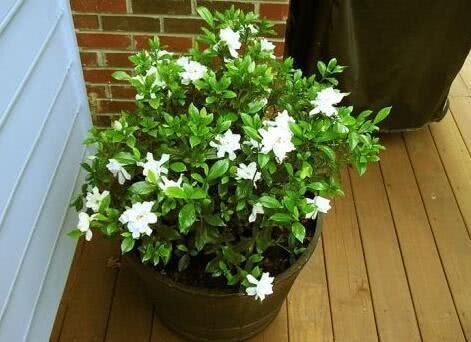
The 5 potted flowers widely recognized as the hardest to grow; beginners lose a pot with every one they plant
Growing flowers is hard work. Some flowers you may care for with all your strength, yet all they give you in return is withering and fading. Below, Xiao Ye introduces 5 potted flowers widely recognized as hard to grow, so be extra...
-
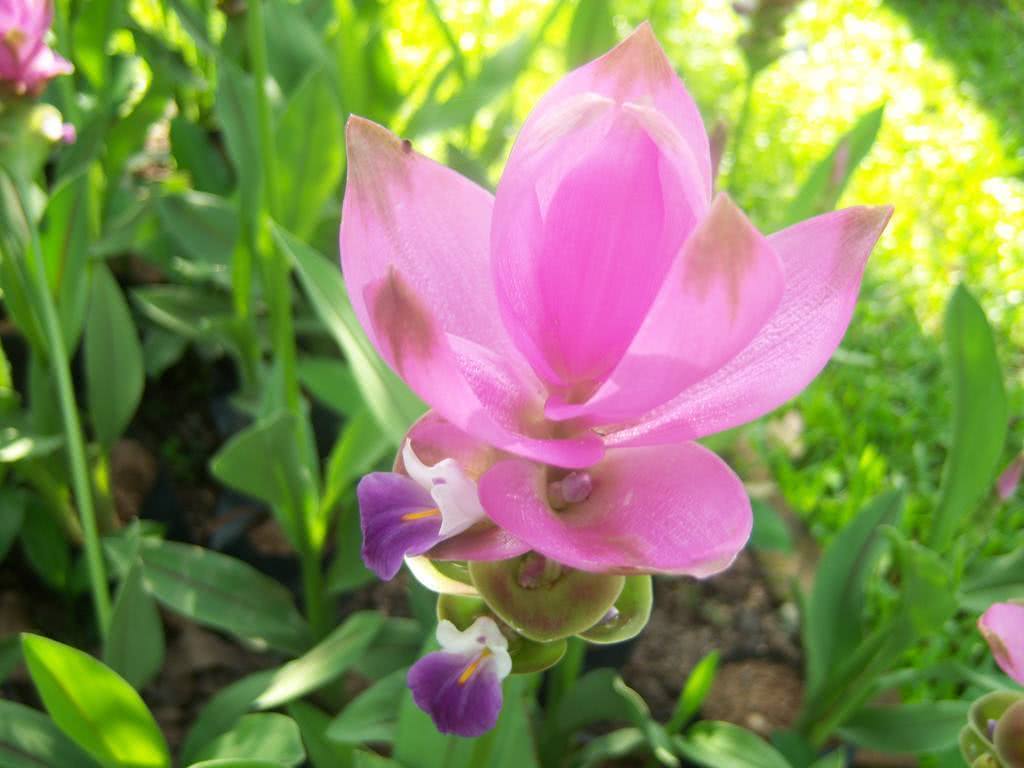
The ginger lily blooms for more than 150 days, with thick, large leaves, yet few people recognize it.
Do you all think the flower above looks beautiful? I wonder if any friends know what plant this is? Sharp-eyed friends may have noticed that this flower is called: Siam tulip. Some friends may have sensed that this article is...
-
How to identify Periploca sepium? Master these methods to recognize it easily
Root and stem: the main root is cylindrical, the outer bark is grayish-brown, the inner bark is pale yellow, and the stem bark is grayish-brown. Leaves: 5-9 cm long, ovate-oblong, with a relatively pointed tip, dark green on the upper surface and light green on the underside. Flowers: purplish-red, the corolla tube is relatively short, 3 mm long, and the calyx lobes are ovate.
-
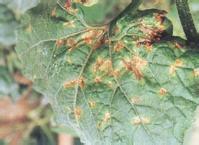
How to prevent and control angular leaf spot of winter melon? First, recognize the disease symptoms
Symptoms: It mainly affects leaves, petioles, and fruit. It can be affected from the seedling stage to the mature plant stage. When true leaves are infected, bright green water-soaked spots appear first, gradually turning light brown; the lesions are restricted by leaf veins and become polygonal, yellow-brown, and when humidity is high, milky white cloudy water-drop-like bacterial ooze exudes from the underside of the leaves, and the diseased tissue is brittle and easily perforated. When stems and petioles are infected, ...
条件筛选