The 5 potted flowers widely recognized as the hardest to grow; beginners lose a pot with every one they plant
Growing flowers is hard work. Some flowers you may care for with all your strength, yet all they give you in return is withering and fading. Below, Xiao Ye introduces 5 potted flowers widely recognized as hard to grow. Be extra careful when caring for them - they are extremely finicky. Let's take a look.
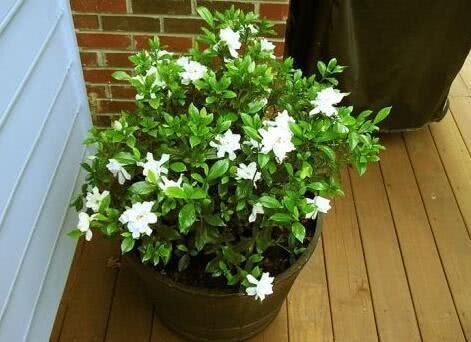
Gardenia
Difficulty level: ★★★★★
Southern flowers such as gardenia, camellia, azalea and banana shrub, when grown in northern homes for 1 year, will show slow growth and leaves turning from green to yellow. After another 1 year, some plants' leaves turn yellow-white, even develop brown spots, and finally wither and die.
The reason is that care and management were not carried out according to their ecological habits. Gardenia, camellia, azalea, banana shrub and others native to the south like humid air and acidic soil; while the northern climate is dry and the soil tends to be alkaline. To grow these flowers well, first, always keep the potting soil acidic; second, change the quality of the water used, soften the water before watering the flowers, and every 7~10 days spray the leaves once with a 0.2% ferrous sulfate water solution. In addition, during care throughout the four seasons, frequently mist the branches, leaves and surrounding environment with clean water to increase air humidity.
Clivia
Difficulty level: ★★★★★
After watering, clivia is prone to root rot and death. Clivia has fairly developed fleshy roots, and the roots store a certain amount of water, so this flower is relatively drought-tolerant. Especially by October~November, the thick fleshy roots have already entered a state of stopped growth or very slow growth and do not need much water. If watered too much at this time, it will cause root rot and may even kill the plant.
Chrysanthemum
Difficulty level: ★★★
When chrysanthemums grown for many years fail to bloom, there are both internal and external causes. The chrysanthemum is a short-day flower; only under conditions of less than 10 hours of light per day can it form buds and bloom. Only under conditions of short daylight, lower temperatures and a day-night temperature difference of about 10°C can the terminal bud transform into a flower bud. In addition, if the seedlings are watered too much or given excessive nitrogen fertilizer while lacking phosphorus and potassium fertilizer, it will cause excessive growth of stems and leaves and turn flower buds into leaf buds; pruning and pinching too early will also affect the plant's normal growth.
Camellia
Difficulty level: ★★★★
The suitable growing temperature for camellia is 18-25 degrees; too high or too low an ambient temperature is bad for camellia growth. Pay special attention in winter: move the plant indoors to grow, generally move the plant to the balcony around noon; in summer also pay attention to sun protection to prevent the temperature from getting too high.
Camellias all like to grow in a humid environment, so camellias should mainly be watered, but note that the soil should not be too dry or too wet. Generally water more in spring and summer, which also helps camellia growth; in winter pay attention to watering less, preferably once every two to three days.
After a camellia has been potted for 1 year, it is recommended to repot and change the soil once, which helps provide a better growing environment. The new pot should be larger than the old one to allow the root system to spread and develop. The best time to repot is April in spring or autumn. During the process, remove some old roots as much as possible, replace with fertile, loose new soil, and add base fertilizer.
Cyclamen
Difficulty level: ★★★
Cyclamen should be placed in windows, balconies and other places with ample light, and the position of the pot should be changed frequently. Although cyclamen belongs to the relatively shade-tolerant Primulaceae plants, long-term insufficient light easily makes cyclamen leaves turn yellow; when cyclamen enters dormancy in summer, reduce watering of the dormant corm; after potting up and repotting in autumn, water thoroughly and gradually increase fertilizer and water, keep the soil moist, and reduce the amount of water in winter. When watering, do not let water touch the flower buds and tender leaves, so as to avoid rot and affecting blooming. The best watering time is 10:00-12:00 in the morning, and the water temperature and the substrate temperature should be as close as possible.
Cyclamen is also a fertilizer-loving plant. In spring and autumn each year, apply 2‰ potassium dihydrogen phosphate once each. Never apply high-nitrogen fertilizer. Fertilizer during the growing season should generally be applied lightly and often; liquid fertilizer must be fully decomposed and fermented, and fertilizing should be done on sunny days. From June to August, stop or reduce fertilizing; after late August, as the weather gradually cools and growth becomes increasingly vigorous, apply a microbial inoculant general-purpose flower fertilizer once every 7-10 days to promote lush blooming later. When fertilizing, be careful to prevent the fertilizer liquid from covering the top of the corm, so as to avoid rot.
The above are the 5 flowers widely recognized as hard to grow; flower lovers should care for them carefully. If you have any care questions, you can leave a comment below to ask!