-

Methods for Introducing Turtle Hatchlings in Autumn and Rearing Methods
Because turtle hatchlings go through an adaptation process when moving from one environment to a new one, with a cycle of 1 month to 2 months before they gradually become normal, and moreover turtles are ectothermic animals, after entering autumn, as the temperature gradually drops, turtles also gradually grow more slowly. The advantage of introducing stock in autumn lies in seizing the opportunity when turtles grow slowly at this time, letting them adapt to the new environment. After spring begins, the temperature rises, and the turtles immediately enter a growth state without needing to adapt to the new environment again. Under normal circumstances, turtle hatchlings introduced in autumn enter the growth period 1 month to 2 months earlier than
-
Detailed Guide to Autumn Turtle Hatchling Introduction Techniques and Rearing Methods
Because turtle hatchlings go through an adaptation process when moving from one environment to a new one, with a cycle of 1 month to 2 months before they gradually become normal, and since turtles are ectothermic animals, after autumn arrives, as the temperature gradually drops, turtles also gradually grow more slowly. The advantage of autumn introduction lies in seizing the opportunity when turtles are growing slowly at this time, letting them enter the new environment to adapt. After spring begins, as the temperature rises, the turtles immediately enter a growth state without needing to adapt to the new environment again. Under normal circumstances, turtle hatchlings introduced in autumn enter the growth period 1 month to 2 months earlier than those introduced in spring.
-
Rearing Methods and Technical Key Points for Ground Beetles (Eupolyphaga)
(1) Rearing equipment can be designed according to the scale and purpose of rearing. Here we only introduce the rearing equipment used to provide a source of medicinal insects. ① Insect sieves: their purpose is to separate nymphs of different instars, adults and oothecae by sieving within a certain period, and then rear them separately and isolate the medicinal insect bodies. The sieve apertures are divided into 5 specifications: 2-mesh sieve: used when separating out adults. 4-mesh sieve: used when separating out 7th-8th instar nymphs. 6-mesh sieve: used when separating out oothecae and insect feces. 12-mesh sieve: used when separating out 1st-2nd instar nymphs. 17-mesh sieve
-
A Detailed Guide to Silkworm Rearing Techniques and Disease Prevention and Control Methods
1. What should be noted when rearing third-instar silkworms? The third-instar stage lasts about 96 hours, of which about 72 hours are spent feeding on mulberry leaves and about 24 hours in molting. Physiologically, third-instar silkworms are still in the young-silkworm stage; their growth rate is slower than that of the first and second instars, their body weight increases 5 to 6 times compared with the second instar, and their adaptability to high temperatures differs somewhat from that of the first and second instars. During rearing, attention should be paid to: (1) The rearing temperature during the third instar is best at 25.5°C to 26°C, with a wet-bulb depression of 2°C to 3°C. (2) The mulberry leaves used in the third instar should be mature leaves, not
-
Detailed Explanation of Artificial Rearing Methods and Breeding Techniques for the White-Banded Snake
The white-banded snake, also known as the many-banded krait or the golden-banded white-flowered snake, has high medicinal and economic value. Its rearing methods are as follows: 1. Build ponds properly. The snake pond is built with bricks and stones, 2 m square and 1.5 m high, and can hold 15-20 snakes; keeping too many snakes makes management difficult. The pond walls are smoothed with cement, and a movable glass cap is added on top of the wall in a T shape to prevent escape. The pond bottom is the snakes' activity area, where weeds should be planted, and snake dens should be built with sandy soil, wooden boards, bricks and tiles, etc. Build a flowing water ditch and a bait basin in the pond, and cover the pond with
-
Rearing Methods and Technical Key Points for Male Silkworm Larvae
I. New Hybrid Male Silkworm Varieties (I) Variety Traits. The new autumn-rearing male silkworm variety bred by the Sericulture Research Institute of the Zhejiang Academy of Agricultural Sciences - Qiuhua x Ping 30, has the advantages of a strong constitution, uniform molting and rising at each instar, and being easy to rear. The number of ants per gram is around 2310, the 5th instar takes 6 days and 18 hours, the whole larval stage takes 22 and a half days, the two-day hatching rate is 49.34%, the silk length is around 1240 m, the cocoon shape is oval, large and uniform, the cocoon color is pure white, and the cocoon shell rate and silk yield are high. (II) Key Points of Rearing Technology. For ant reception and light exposure, this can appropriately be done earlier than for common varieties.
-

-
Rearing Methods and Technical Key Points for Squabs and Young Pigeons
In the initial stage, squabs are best fed fine-particle softened feed. This feed is prepared by crushing corn, mixing it with rice and beans, soaking it in clean water for 2 to 3 hours, and drying it before feeding. The health grit must contain a complete range of trace elements. Some multivitamins can be added to the drinking water. Set up a brooding bed, and pay attention to keeping warm, blocking wind, and keeping dry; generally, they are raised in the brooding bed for about 20 days. Squabs at 50 days of age begin to molt; at this time they are sensitive to external climate changes and prone to illness, so work on cold protection and warmth must be done well. Add some
-

Butterfly Farming Techniques Explained: Environmental Management and Rearing Methods
Butterfly Farming Techniques
-
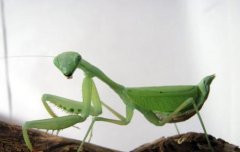
Can you raise a baby mantis yourself? A detailed guide to mantis rearing methods
Using fruit flies to rear baby mantises - have you ever heard of this method of rearing mantises? If you want to learn this ecological rearing method, then let's take a look together. Predatory natural enemies are part of the predatory food chain, such as the mantis stalking the cicada while the oriole watches from behind.
条件筛选