-
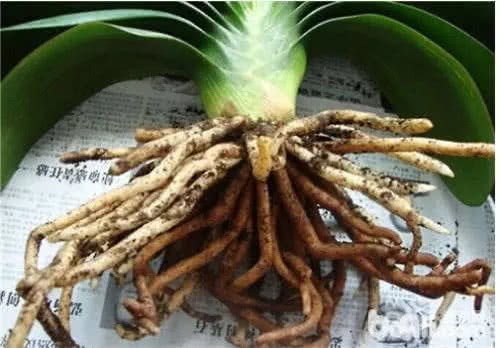
Follow these 5 steps when repotting your clivia in autumn for quick recovery and full blooms in winter
It's autumn now. If your clivia hasn't been repotted for a long time, then now is the good season to repot it. So what should we pay attention to when repotting a clivia? 1. Root treatment, we...
-
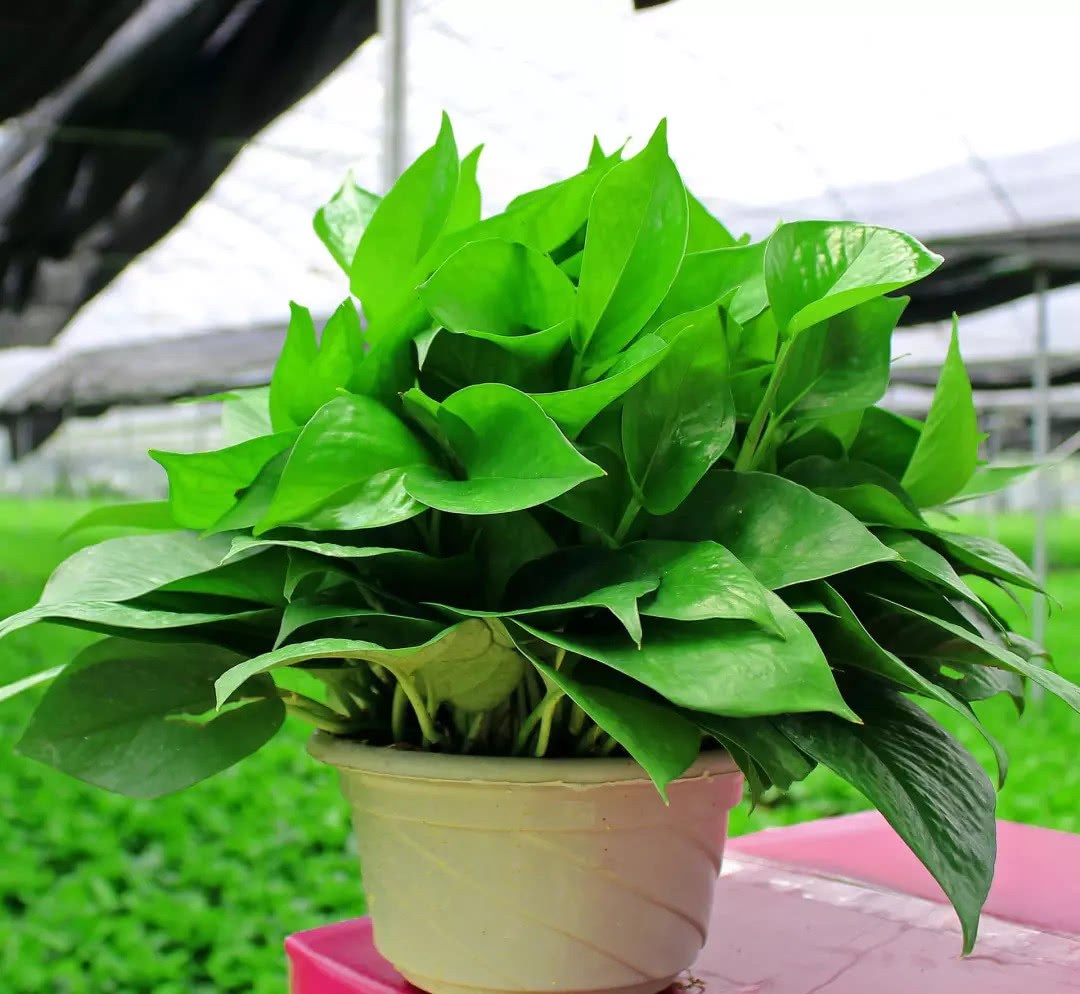
Don't Be Afraid of Root Rot and Yellow Leaves on Your Pothos - Add a Little of This and It Will Recover Quickly
Pothos (Epipremnum aureum) is arguably one of the easiest plants to grow, but root rot and yellow leaves still show up all the time. Here's how to solve this problem. Overwatering is the single most critical factor behind root rot in pothos. Generally speaking, watering it about once a week is enough.
-

Orange peel actually has so many uses, if you didn't know, save this quickly
Do you like eating sweet and tangy oranges? Do you peel the skin, take out the orange flesh, and then casually toss the orange peel away? I believe many people do exactly that, and perhaps for many people the orange flesh is the best part, but for those who care about...
-

Salt's uses go far beyond seasoning; if you didn't know, save this quickly
Salt can be said to be common and easy to get in our lives. This condiment is practically a must-have in every household, and it is indispensable every time we cook or prepare food. For those who love to cook, salt is just a condiment, but for those who understand...
-

Cut off the rotten roots of a cactus with one slice, and it will root quickly in water.
Soil-grown cacti are rather peculiar; when grown in soil, they are very prone to root rot. Although cacti should not be watered too much, they can also be grown in water. A water-grown cactus lets you admire its tender white roots,...
-

Add a little something dark to the pot when growing flowers, and they will quickly burst into a full pot
Growing flowers is a very character-cultivating hobby. Whenever you push open the door and come home, seeing the plants and flowers in the house not only relaxes your mood a lot but also makes the air in the home much fresher. However, growing flowers is sometimes also...
-
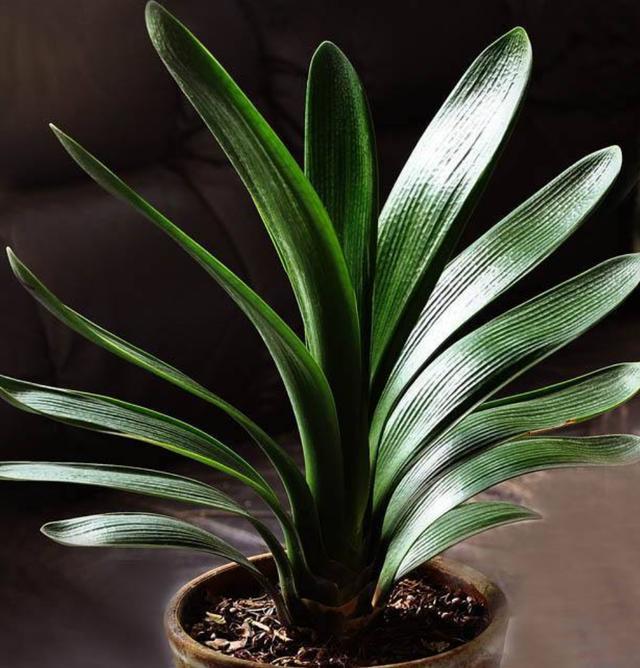
If your clivia (Kaffir lily) is not growing well after summer, repot it and change the soil quickly to promote fast growth
Before we know it, summer has passed, autumn has arrived, and the weather is gradually turning cool. Some flower enthusiasts say their clivia has grown larger, and the original soil and pot can no longer meet its growth needs, so they ask whether they can change the soil and repot it for replanting in autumn. The answer is yes...
-

Growing cilantro this way is very easy; one pot on the balcony sprouts quickly and grows vigorously, no matter how expensive it gets.
They say cilantro in supermarkets has gotten more expensive again, but what should those who love eating it do? Actually, you can grow one or two pots at home yourself; the method is very simple, and you can pick it whenever you want to eat it, which is especially convenient. In everyday cooking, use it as a seasoning, for beef noodles...
-
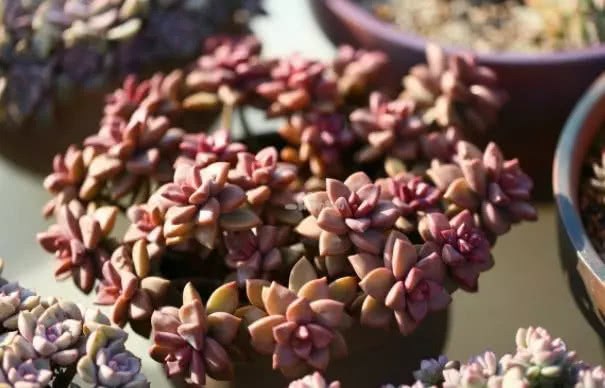
For succulents in September, choose these varieties: easy to grow and quick to fill a pot
Graptosedum 'Bronze' Graptosedum 'Bronze' is one of the easier succulents to grow. Its peak growing season is in spring and autumn, and it propagates extremely quickly. Graptosedum 'Bronze' likes a sunny, warm, and dry environment. With sufficient light, the leaves turn brownish-pink....
-

What is the difference between Cinnamomum osmophloeum and Cinnamomum japonicum? A quick guide to telling them apart
Plant differences: The trunk of Cinnamomum osmophloeum grows to about 12 m tall, while the trunk of Cinnamomum japonicum grows 10 to 15 m tall. Leaf differences: Cinnamomum osmophloeum leaves tend to be slender and elongated, with a grayish-white underside; Cinnamomum japonicum leaves tend to be more oval, with a dull grayish-green underside. Flower differences: Cinnamomum osmophloeum pedicels are shorter and more slender, while Cinnamomum japonicum pedicels are longer.
条件筛选