Follow these 5 steps when repotting your clivia in autumn for quick recovery and full blooms in winter
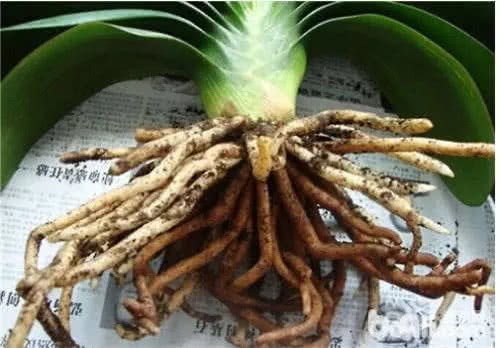
It's autumn now. If your clivia hasn't been repotted for a long time, then now is the good season to repot it. So what should we pay attention to when repotting a clivia?
1. Root treatment,
We take the clivia out of its original pot, clean off the soil, then check the roots to see if there are any rotten or hollow roots. If there are, clean them off promptly, otherwise they will easily rot after potting. Soak in a carbendazim solution or potassium permanganate solution for half an hour to disinfect and prevent pathogen infection. After soaking, put it in a ventilated place to air-dry for one or two hours, then pot it up
2. Choosing the soil
The clivia's roots are very thick, radish-like roots with weak deep-penetrating ability, and they require especially good loose, breathable soil. So the soil we use to grow clivia is best made of leaf mold or pine needle soil, or mixed ourselves, as long as the soil is loose and breathable and the roots can spread out in it
3. Base fertilizer
When repotting, we first put a layer of soil in the bottom of the pot. If you have base fertilizer, you can add a little, such as fermented bone meal, then gently cover it with a layer of soil so the roots don't touch the fertilizer. The middle of the clivia's roots should be filled with soil, then place it in the flower pot, gently fill the soil around it, and slowly press it firm. Be careful not to use force, so as not to damage its roots,
You can also add some roasted hemp seeds or soybeans, or similar oily fertilizers, to the flower pot. Now is the peak growing period for clivia, and at this time fertilizer should not be lacking; it can make it grow strong, and you should give it more nutrients to help it bloom
4. Disinfection
After potting, water it thoroughly with a carbendazim solution to prevent pathogens in the soil, since pathogen infection easily causes root rot
5. Recovery
After potting, put it in a ventilated place with scattered light and let it recover for about a week, then it can gradually receive light