Detailed Explanation of Diagnostic Methods and Prevention and Control Measures for Pullorum Disease
Pullorum disease is an extremely common infectious disease that occurs all over the world. It is caused by Salmonella pullorum, and its excrement is an important transmission medium. It can also be transmitted vertically through eggs. It mainly harms chicks. In recent years, the incidence in young chickens has also shown an upward trend. Let us take a look at the diagnosis and prevention of pullorum disease together!
Symptoms of Pullorum Disease
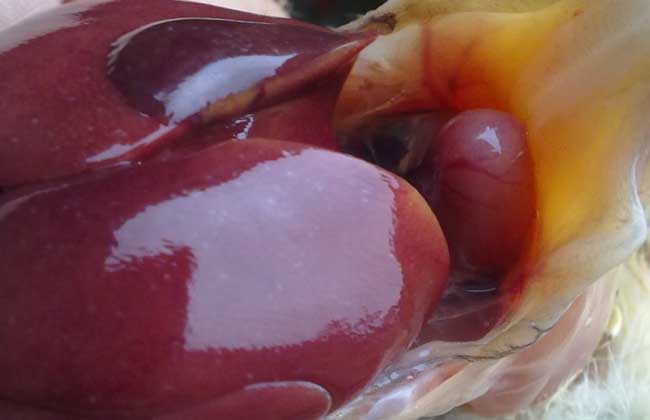
Chicks show refusal to eat feed, fear of cold, huddling of the body, drooping wings, listlessness or drowsiness, and passing white viscous or pale yellow and pale green loose droppings. The anus is sometimes blocked by hardened fecal masses, and breathing is difficult. Adult chickens have no clinical symptoms. A small number of severely infected diseased chickens show lethargy and pass yellow-green or egg-white-like loose droppings. The main lesions include enlargement and fragility of the liver and spleen, with necrotic spots, dark red congestion or pale anemia of the kidneys, and peritoneal inflammation changes are often seen. In laying hens, ovarian atrophy and egg degeneration can be seen, and diseased chickens stop laying eggs.
Diagnosis of Pullorum Disease
Liver necrotic foci and pullorum nodules are collected for histopathological examination, showing local tissue necrosis and disintegration, with infiltration and proliferation of lymphocytes, plasma cells, heterophils, and fibroblasts. Samples collected from the heart, liver, spleen, lungs, ovaries, and other organs of diseased and dead chickens are inoculated onto ordinary agar medium for bacteriological diagnosis. After 24 hours, small colonies with neat edges, smooth surfaces, moist and glistening appearance, grayish-white semi-transparency, and a diameter of 1 cm can grow.
Prevention of Pullorum Disease
1. Detect and cull carrier breeder chickens through serological tests. The first examination is carried out at 60-70 days of age, the second examination can be carried out at 16 weeks of age, and afterward once every 1 month. Positive chickens found are promptly culled until the positive rate of the whole flock does not exceed 0.5%.
2. Collect and select hatching eggs in a timely manner, and fumigate and disinfect them 3 times with 28 ml per cubic meter of formalin for 20 minutes at the time of egg collection, after entering the incubator, and when transferred to the hatcher at 18-19 days of embryonic age. When about 50% of the chicks have hatched, fumigate and disinfect again in the hatcher with 10 ml per cubic meter of formalin. At the same time, strict disinfection systems should also be established in the hatchery.
3. In brooding houses, growing houses, and layer houses, properly clean and disinfect the floor, utensils, feed troughs, cages, drinkers, and so on, and regularly carry out disinfection with chickens present.
4. Strengthen the feeding and management of chicks and pay attention to drug prevention. In areas where this disease is prevalent, 0.04% furazolidone, 0.05% chloramphenicol, and 0.005% norfloxacin can be alternately added to the feed during brooding for prevention.
Treatment of Pullorum Disease
1. Add 200-400 mg of furazolidone (that is, 2-4 tablets) per kg of feed, mix well, and feed to chickens for 7 consecutive days, stop for 3 days, and then feed for another 7 days.
2. Orally administer oxytetracycline (or chlortetracycline, tetracycline) at 200 mg per kg of chicken body weight (each tablet contains 250 mg), or add 2-3 g of oxytetracycline (that is, 8-12 tablets) per kg of feed, mix well, and feed to chickens for 3-4 consecutive days.
3. Mix 2000 international units of penicillin per chicken per day into the feed and feed for 7 consecutive days.
4. Add 10 g of sulfaguanidine (or sulfadiazine) (that is, 20 tablets) or 5 g of sulfadimethazine (that is, 10 tablets) per kg of feed, mix into the feed and feed to chickens for 5 consecutive days. Streptomycin or chloramphenicol can also be added to drinking water at 0.1-0.2% and fed to chickens for 7 consecutive days.