-

Pruning Methods for Different Types of Branches on Walnut Trees
1. Pruning of skeletal branches: Promptly retract crossing skeletal branches. For overly weak skeletal branches, retract them to well-grown lateral branches growing obliquely upward, so as to raise the angle of the extension branch. For trees reaching a height of about 3.5 m, promptly drop the head. 2. Training and renewal of bearing branch groups: Walnut
-
Detailed Explanation of Walnut Tree Pruning Techniques and Methods
Walnuts mostly bear fruit on the terminal buds of branches. Except to encourage branching, walnut branches generally should not be headed back, otherwise fruiting will be affected. Overcrowded branches and dead branches can be thinned out. Weak branches and branches in sparse areas of the inner canopy can be heavily headed back or cut back to encourage new growth.
-
What are the main pruning methods for walnut trees?
1. Heading back. Heading back refers to cutting off part of a one-year-old branch. On young walnut trees, the method of heading back vigorous vegetative branches is commonly used to increase the number of branches. The targets for heading back are vigorously growing vegetative branches sprouting from first-order and second-order lateral branches; the purpose is to promote new shoot growth and increase branching.
-
Detailed Explanation of Key Techniques for Summer Pruning of Walnut Trees
Summer pruning generally refers to pruning during the growing season, and its main contents include bud removal, pinching, branch thinning, girdling, branch bending, and summer shoot tipping. Its role is to regulate the contradiction between growth and fruiting, improve tree light conditions, cultivate robust fruiting branch groups, and increase the fruit-setting rate. Summer prun
-
Growth and fruiting habits of walnut trees related to pruning
1. Bud heterogeneity and branching vigor. Bud heterogeneity refers to the differences in growth vigor and other characteristics among buds at different positions on the same shoot, caused by different environmental conditions during their development and differences in the internal nutritional status of the shoot. Different parts of the shoot
-
Basis and Development Trends of Training and Pruning Walnut Nursery Stock
1. Prune according to cultivar characteristics. Different cultivars have different growth and fruiting habits, different pruning responses, and therefore different pruning techniques and measures. 2. Prune according to tree age and vigor. Fruit trees of different age stages have different vigor; different site and management conditions also result in different vigor.
-
What are the functions and purposes of training and pruning walnut nursery stock?
Training and pruning is an important technical measure in walnut cultivation and management. Training is the process of purposefully developing a good tree shape with a certain structure during crown formation that is favorable for growth and fruiting. Pruning is, on the basis of training, further developing and perfecting a reasonable tree structure and regulating the contradiction between growth and fruiting.
-
The correct methods and precautions for pruning orchids
Many flower enthusiasts need to know a few things about orchid pruning. Pruning orchid leaves is actually very important. During cultivation, pruning must be done continuously. When there are old leaves and yellow leaves, they should be cut off promptly to improve ventilation. Some leaves have dry tips, which should also be cut off. Leaves with pests or diseases must be cut off promptly to avoid spreading. ...
-
Detailed Guide to Orchid Leaf Pruning Methods and Techniques
1: If a leaf has a disease that is not yet controlled and is difficult to control, and is highly contagious, it should be pruned immediately. 2: Orchid plants infected with a virus should be thoroughly destroyed or isolated for observation. 3: Do not prune leaves with pest damage; focus on pest removal. 4: If leaf diseases and pests have already been controlled, or if it is normal aging, do not prune immediately just because it affects appearance; you can wait until...
-
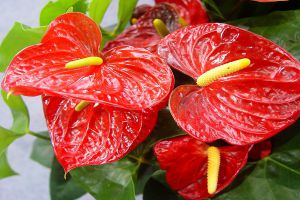
How to prune anthurium? Master the correct pruning method
This is a plant in the Araceae family, genus Anthurium. It also has many other names, such as "Anzu flower", "flamingo flower" and so on. If you look at pictures of it, you will find that its names are all very vivid and true to life. Of course, its flowers are not only red, but also pink, white and so on; this beautiful appearance has attracted many flower lovers to grow it. Pruning is an important aspect of its care process, so how exactly should it be done?
条件筛选