-

Detailed Cultivation Techniques for Leafy Goji in Protected Culture
Leafy goji, also known as goji shoots, goji berries, goutdiya, digupi, etc., is grown for its tender stems (young shoots), which can be eaten cold-tossed or stir-fried, and can also be used in soups or as a hot pot ingredient. The key cultivation techniques are as follows: 1. Cutting propagation: Because leafy goji is continuously harvested for its young shoots, it generally does not flower or set seed, so cutting propagation is mostly used. ① Cutting time: Take cuttings for seedling production in open ground or protected culture in August-September. ② Selection and treatment of cuttings: Select disease-free, robustly growing plants, take branches that are 1 year old, 0.5-0.8 cm in diameter,
-
Occurrence and Control Methods of Carnation Viral Diseases in Protected Cultivation
Symptom Identification Carnation Vein Mottle Virus Disease When carnation is infected by Carnation vein mottle virus, it infects carnation, China pink (Dianthus chinensis) and American pink (Dianthus barbatus), all producing systemic mosaic, and in winter the old leaves often show symptom masking. Discolored spots appear on the petals, and the symptoms are especially obvious on red large-flowered cultivars. Carnation Latent Virus Disease After carnation is infected by this virus, it generally shows no symptoms, or has mild mosaic symptoms. But when Carnation latent virus and Carnation vein mottle virus infect together, mosaic symptoms are produced. Carnation
-
How can cut-flower carnations be effectively protected against gray mold?
Symptoms: Elliptical, brown, large and wet spots first appear on the petals, then gray mold grows on them, and the petals and the whole flower rot as a result; the stems and flower buds can also be infected. Cause: Long-term exposure to low temperature and a humid environment. Control methods: Keep the plants as dry as possible, preferably using drip irrigation for fertilizer and water control; maintain good ventilation; spray 75% chlorothalonil at 500 times dilution, or carbendazim at 500 times dilution, alternating them, spraying once every 7 to 10 days; in the evening, a 10% procymidone
-
Environmental Management Techniques for Protected Apricot Cultivation
1. Regulation of temperature and humidity: Hang 3 thermometers inside the shed on the east and west sides and in the middle respectively, at about 1.5 m above the ground. An ordinary thermometer and maximum and minimum thermometers can be placed respectively. During the bud-forcing stage, record the temperature once each day at 8:00, 12:00, 14:00 and 20:00. During the flowering stage, observe once every 1-2 hours. To measure the air humidity inside the shed, a wet-and-dry bulb hygrometer can be used. The suitable temperature and humidity for each phenological stage are shown in the table below: Regulation of temperature is mainly achieved by opening and closing the ventilation openings. Before flowering and during the flowering stage, if the temperature does not reach
-
When new grain hits the market, farmers' interests must be effectively protected
Protecting farmers when new grain hits the market
-
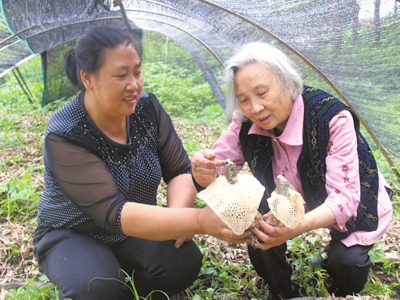
Changning bamboo fungus officially approved as a national geographical indication protected product
"Changning bamboo fungus" approved as a national geographical indication protected product
-
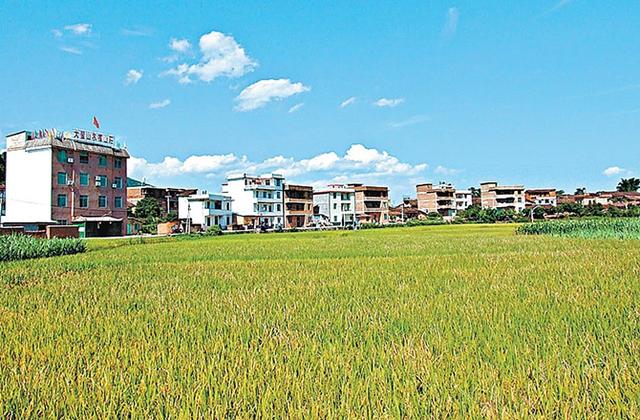
Are small property rights houses protected after collective operating construction land enters the market?
Collective operating construction land enters the market: are "small property rights houses" protected?
-
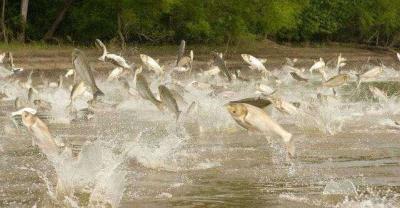
Artificial breeding technology for the marbled eel (Anguilla marmorata), its price per jin, and whether it is a protected animal
Practical still-water breeding techniques for the marbled eel 1 Water quality regulation for marbled eel breeding. The marbled eel has high water quality requirements. Before breeding, the pond should be disinfected, generally using...
-
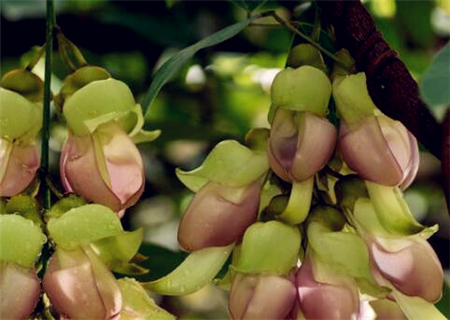
How many years does the nationally second-class protected plant Mucuna birdwoodiana take to bloom after planting, and when does it bloom?
Mucuna birdwoodiana, also known as white flower oil hemp vine, flower oil hemp vine, and sparrow flower. It is a nationally second-class protected plant and is cultivated throughout southern China. When in bloom, the flowers hang in clusters like sparrows in flight, giving it considerable ornamental value. So how many years after planting does Mucuna birdwoodiana bloom? When does it bloom?
-
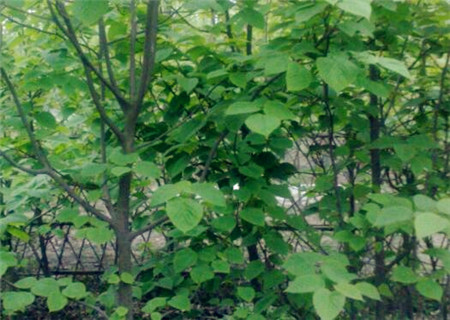
At what time does the national first-class protected plant "dove tree" (Davidia involucrata) bloom? Where are its main places of origin? What are its cultivation prospects? (
Davidia involucrata has been listed as a national first-class key protected wild plant. It is a monotypic genus endemic to China, a relict plant, and also a world-famous ornamental plant. So at what time does the dove tree bloom? Where are its main places of origin? What are its cultivation prospects? The blooming time of dove tree flowers. Dove tree flowers usually bloom in April.
条件筛选