-

Propolis: Benefits, Uses, How to Take It, and Who Should Take It
Many people have probably heard of propolis, and it is often used as medicine, with high nutritional value. People who often suffer from mouth ulcers use propolis oral films, and once applied, it heals within a few days. So what are the benefits, effects, and ways to take propolis?
-
The Best Season, Daily Timing, and Suitable Groups for Taking Purple Gold Propolis
Propolis is a resinous substance collected by honeybees from plant buds or tree trunks, mixed with secretions from their mandibular glands and wax glands, and processed into an aromatic gummy solid. So what season is best for taking propolis? What time of day should it be taken? Who is suitable for taking propolis
-
Overview of Research Progress and Current Utilization of Propolis
Propolis is a resinous substance collected by honeybees from tree buds, bark and other parts of plants, mixed with secretions from the bees' hypopharyngeal glands, wax glands and other glands, and processed and transformed by the bees. Propolis is an opaque solid, brown, reddish-brown or grayish-brown in color, sometimes with a greenish tinge, and in a few cases nearly black. Natural fresh propolis has a resinous fragrance and is sticky and malleable. It begins to soften at 36°C, becomes hard and brittle and can be pulverized at 15°C, and melts into a viscous liquid at 60-70°C. Propolis is a resinous substance, highly soluble in ether, chloroform, acetone,
-
What are the methods to increase propolis yield and quality?
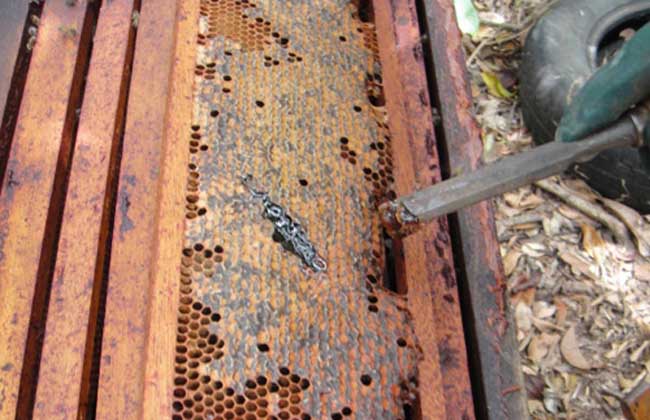
Keywords: beekeeping; propolis. Content: Propolis is currently the best-selling bee product. The current state of propolis production is: first, low yield, and second, poor quality, which restricts the development and application of propolis. According to experiments, the Caucasian bee species readily collects propolis. To increase propolis yield, hybrid breeds of Caucasian bees and Italian bees can be promoted, using hybrid vigor to raise propolis yield. Another approach is to promote nylon mesh for propolis collection. The specific method is to replace the iron mesh on the inner cover with nylon mesh. Once the nylon mesh is covered with propolis, replace it with new nylon mesh. Place the propolis-covered nylon
-
What are the wonderful uses of propolis? A full analysis of its effects and uses
Propolis is a resinous substance with a fragrant aroma that bees collect from flowers and tree trunks, mixed with secretions from their mandibular glands, beeswax, and other substances. Propolis has antiviral, antibacterial, antifungal, and tissue regeneration-promoting functions, and it has wonderful uses in livestock production. 1. For diarrhea, enteritis, and dysentery in cattle, horses, and pigs, administer 3 grams of propolis by mouth per 10 kg of body weight, and the therapeutic effect is quite good. 2. To treat pullorum disease in chickens: mix propolis with rice bran, stir it into thick rice porridge, and feed it once each in the morning and evening, or hold the chicken and
-
Detailed Explanation of the Key Technical Points in Propolis Processing and Production
Propolis is hailed as "the guardian angel of human health" and has broad-spectrum antimicrobial effects, so it is also called a "broad-spectrum antimicrobial agent"; propolis can remove harmful substances from the blood, reduce blood viscosity, and effectively prevent and treat cardiovascular diseases, so it is also known as the "scavenger of the blood": propolis has a killing effect on cancer cells and is called "good news for cancer patients": it also has a clear blood sugar-lowering effect and can effectively treat diabetes and its complications, so it is also called "the nemesis of diabetes." However, the amount of propolis produced by each colony is relatively small (about 300 grams).
-
How much does propolis cost per jin? A detailed introduction to market prices
How much does propolis cost per jin?
-
-
条件筛选