-

Can Motherwort Be Eaten Regularly? Including Its Production Areas, Cultivation, Harvesting and Initial Processing Methods
Motherwort, also known as tui, chongwei, kuncao, jiuchonglou, yunmucao and sendi, has diuretic and swelling-reducing effects and acts to contract the uterus, and is a key herb used by physicians through the ages to treat gynecological diseases. So can motherwort be eaten regularly? Where are its production areas? How is it cultivated? Harvesting and initial
-
Precautions for Mushroom Production and Methods for Preventing Aspergillus
Mushrooms are a type of natural food that is rich in color, fresh, fragrant and crisp, delicious, nutritionally balanced, and also has therapeutic value, and is deeply loved by people. However, during the mushroom cultivation process, Aspergillus contamination can occur, and after being affected, loose granular substances in different colors such as yellow and black can be seen
-
A Detailed Explanation of the Rice Production Process: The Complete Journey from Sowing to Harvest
Growing rice requires going through seven processes: land preparation, seedling raising, transplanting, weeding and pest removal, fertilizing, irrigation and drainage, and harvesting. The rice production process 1. Land preparation: this process is divided into three stages: coarse plowing, fine plowing and leveling. In the past, animal power and plows were used, mainly
-
What Kind of Tea Is Matcha? A Guide to Matcha's Raw Materials and Production Process
Now matcha is an internet-famous product, loved by many young men and women, and it is also added to many foods. If you eat matcha every day, do you know what kind of tea matcha is? 1. What kind of tea is matcha? Matcha originated in China during the Sui and Tang dynasties, when the tender leaves of spring tea leaves were steamed to fix the green, then made into cake tea (ball tea) for storage.
-
How Do Porcupines Mate and Reproduce? A Detailed Analysis of the Reproductive Process
Porcupines can be roughly divided into two types, Old World and New World, and they have completely different ecological environments and social structures. New World porcupines include the well-studied North American porcupine (Erethizon dorsatum), which lives in trees and feeds on leaves, fruits and
-
A Detailed Explanation of Fermentation Bed Goose Raising Technology and the Production Process
Abstract Diluting the bacterial culture: First prepare 2 jin of super-strength fermentation bed bacteria, then add 20 jin of cornmeal or rice bran, stir evenly, and spread it on the fermentation bed. Choosing bedding material: choose unmoldy sawdust that has been sun-dried as the bedding material; peanut shells or corn stalks can also be chosen as substitutes.
-
How Do Crocodiles Reproduce? A Detailed Explanation of Their Reproduction Methods and Process
The crocodile is an animal often seen in zoos or on television, and it is currently an endangered animal. So how do crocodiles reproduce? 1. How do crocodiles reproduce? Every year from December to March of the following year is the mating season for crocodiles, and female crocodiles reach sexual maturity when their total length averages
-
How to make sweet potato golden shreds? Detailed production process analysis
The production process of sweet potato golden shreds
-
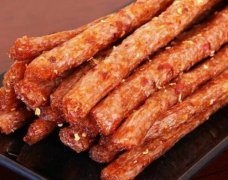
Tainted Spicy Strips Factory Shut Down: The Dangers and Production Process of Spicy Strips Explained
Do you like eating spicy strips? Spicy strips are a favorite of many children, and some adults like them too, but did you know that the production of spicy strips may be very unhygienic, and that eating too many of them can be very harmful? On the CCTV gala on March 15
-
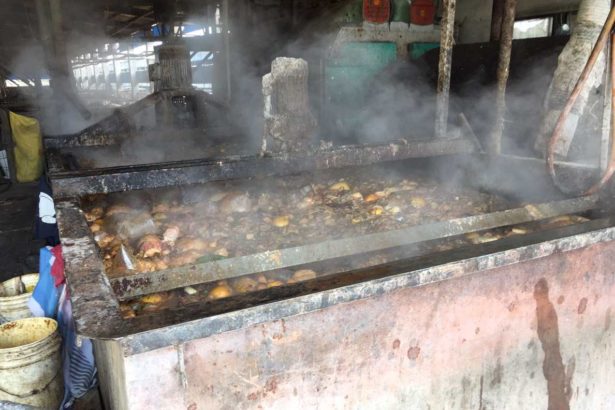
Comprehensive Inventory of Kitchen Waste Production and Disposal Capacity in Yunlin and Pingtung, and Epidemic-Prevention Kitchen Waste Processing
The Battle of Epidemic Prevention and Kitchen Waste 07"(Yunlin and Pingtung) Taiwan-wide Comprehensive Inventory of Kitchen Waste Production and Disposal Capacity (Yunlin and Pingtung)
条件筛选