-

How to make sweet potato golden shreds? Detailed production process analysis
The production process of sweet potato golden shreds
-
Detailed Explanation of the Production Process and Steps of Mushroom Flour Paste
Mushroom flour paste is yellowish-brown, glossy, fresh and sweet in taste, moderately salty, and has a distinctive mushroom aroma. 1. Raw material ratio: mushroom by-products (substandard mushrooms, broken mushrooms, mushroom fragments) 30 kg, flour 100 kg, salt 3.5 kg, five-spice powder 200 g, saccharin 100 g, sodium benzoate 100 g, citric acid 300 g, water 30 L. 3. Key production points (1) Making dough pellets: add 30 L of water to 100 kg of flour, mix evenly, knead into thin long strips, cut into broad bean-sized pieces
-
Production Techniques and Processing Methods for Mushroom Beverages
1. Ingredients: 420 g of cull mushrooms or dried mushroom stems, 150 g of milk powder, 160 g of white sugar, 50 g of glucose, 46 g of citric acid, 2 g of sorbic acid, 0.5 g of the food colouring carmine, 2 mL of food flavouring, and 10 L of purified water. 2. Preparation: (1) Wash the cull mushrooms and mushroom stems from the mushroom production and processing stages in a 0.05% sodium sulfite solution to remove mud, sand and impurities, then remove them. Soak them in a 0.1% sodium sulfite solution to preserve colour, then rinse with water, and then sun-dry or oven-dry.
-
Detailed Explanation of the Development Method and Production Process of Oyster Mushroom Yogurt
Oyster mushroom is an edible fungus that is easy to cultivate, has high yield, and is deeply loved by the general public. Oyster mushroom has tender flesh, a delicious taste, and rich nutrition. Every 100g of dried mushroom contains 23-28g of protein and 1.42-2.87g of fat; the protein contains 18 kinds of amino acids, and the 8 essential amino acids for the human body and 2 semi-essential amino acids (arginine, histidine) account for about 40-50% of the total amino acid content. It also contains trace elements such as phosphorus, potassium, iron, zinc, and copper, as well as rich Vc. Oyster mushroom has very high medicinal value
-
Detailed Explanation of the Production Process of Shiitake Mushroom Pork Floss
1. Raw material preparation. Select about 5 kg of lean pork leg meat. Wash clean and cut into short strips. Take 3% (based on meat weight) dried shiitake mushrooms and soak in water to rehydrate. 2. Boiling seasoning. Heat 3% peanut oil (based on meat weight, the same applies below) in a pot, add 1% ginger and fry briefly, add 10% soy sauce, 3% shiitake mushrooms, 50% water, 0.6% refined salt, 5% scallions, 0.5% fennel, 4% yellow rice wine, simmer over low heat for 30 minutes, then filter, and add 0.2% compound monosodium glutamate. 3. Boiling the meat. Put the meat strips into the pot, add
-
Detailed Explanation of the Production Process for Soft-Packaged Shredded Shiitake Mushrooms
Edible fungi are rich in amino acids, vitamins, polysaccharides, polypeptides, and trace elements such as organic germanium and zinc, and have high edible, health-care, and medicinal value. Developing deep processing of edible fungi to make convenient side dishes, beverage powders, nutritional oral liquids, and medical health-care products has broad market prospects. The author has researched and developed a series of seasoned soft packages from deep-processed edible fungi, suitable for production by townships, towns, and small enterprises. The production process for seasoned soft-packaged shredded shiitake mushrooms is introduced as follows: 1. Process flow: dried shiitake mushrooms (or fresh mushrooms) -> remove stems, shred -> wash
-
Detailed Explanation of the Production Process for Fermented Shiitake Mushroom Sausage
In the course of building a moderately prosperous society in all respects in our country, people's demands for food, especially meat products, are becoming higher and higher. They require not only good taste but also nutritional and health-care functions. Therefore, traditional sausages are being challenged, and the task of developing functional specialty sausages that the public needs is placed before us. Because shiitake mushrooms have unique physiological functions such as delicious taste, rich nutrition and high fiber content, they have relatively high medicinal value. With shiitake mushrooms and other ingredients as the main raw materials, fermentation by lactic acid bacteria gives shiitake mushroom sausage both nutritional and
-
Detailed Explanation of the Production Process and Processing Methods of Candied Mushrooms
1. Raw material selection: Choose fresh mushrooms with medium-sized caps, natural color, intact shape, and no disease or insect spots as processing raw materials. 2. Pretreatment: ① Brine soaking: Remove attached impurities from the harvested fresh mushrooms and immediately immerse them in 1%-2% salt water for 4-6 hours to increase the firmness of the mushroom bodies. ② Blanching: Pour the cleaned and drained mushroom bodies that have been soaked in brine into boiling water and blanch for 7-9 minutes to destroy enzyme activity and prevent browning of the mushroom bodies. ③ Trimming: In order to make the candied mushrooms neat and attractive,
-
Detailed explanation of the production process and technical operations at each stage for the nameko mushroom
Production process: ingredient mixing - sterilization - tray filling - cooling and inoculation - mycelial growth - summering - mushroom management - harvesting and processing - flush transition - insulation for fruiting. 1. Ingredient mixing: the most critical requirement for ingredient mixing is to mix raw materials of different compositions evenly, mix dry and wet materials evenly, so that the nutritional ratio of each tray of substrate is uniform, with a water content of 60%. 2. Sterilization: there are mainly two sterilization methods for nameko mushroom substrate: bag steaming and loose material steaming. The vast majority of growers in all areas of the county still follow these two methods, but each has its advantages and disadvantages, and attention should be paid when choosing.
-
Strictly control the spawn production process when cultivating oyster mushrooms
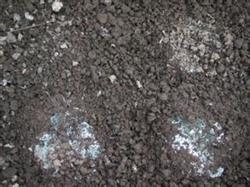
Green mold, also known as Trichoderma viride, is one of the most serious pathogens harming oyster mushrooms. It causes damage at different production stages of oyster mushrooms. Once the disease occurs, it leads to reduced yields in mild cases and total crop failure in severe cases, becoming an important obstacle restricting the development of oyster mushroom production. Through several years of exploration and experimentation, the integrated control measures are summarized and introduced as follows...
条件筛选