-
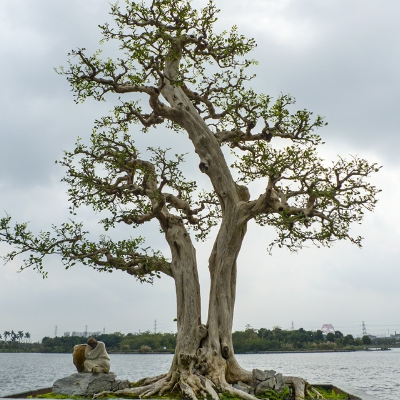
Lingnan bonsai: production methods and price introduction
Lingnan bonsai, this is a bonsai association, that is, one specializing in this area of bonsai, and many people like it
-

Detailed Guide to the Production Techniques and Cultivation Methods of Caragana Bonsai
Caragana gets its name because its golden-yellow flowers resemble a sparrow about to spread its wings in flight. It also has other aliases such as peashrub, Feilai Feng, Qun Que, and Baopi Bian, and is a deciduous small shrub in the genus Caragana of the Fabaceae family. The plant is about 1.5 m tall, with an iron-black-brown trunk that grows upright in clusters, slender small branches that are yellow-brown or gray, and long branches that droop as they grow
-
Detailed Explanation of the Production Techniques and Methods for Candied Straw Mushrooms
1. Material selection and processing. Choose straw mushrooms with plump fruiting bodies, unopened caps, and no mechanical damage. Immediately after harvest, place them in a 0.03% sodium metabisulfite solution and treat for 6-8 h (hours), then rinse clean with clear water. 2. Blanching and hardening. Put the treated straw mushrooms into boiling water and blanch for 2-3 min (minutes) to destroy enzyme activity. After blanching, immediately remove them, place them in cold water to cool, then after cooling remove them and place them in a 0.5%-1% calcium chloride solution to soak for 10-12 h (hours
-
-
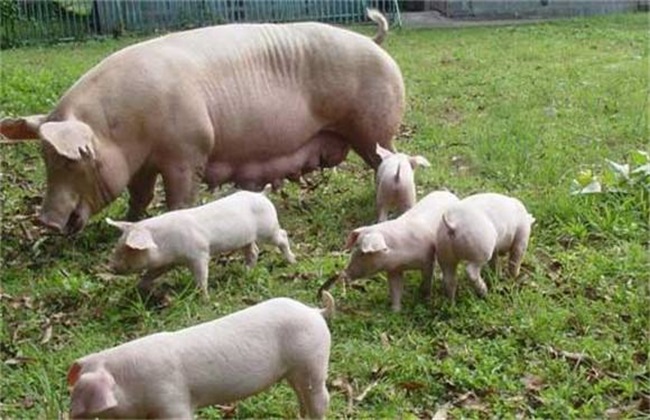
What to Do About Sows with Low Milk Production After Farrowing? Cause Analysis and Treatment Methods
What to Do When a Sow Has Low Milk Production
-
Detailed explanation of the production process for canned braised fish: Methods for making seasoned aquatic canned products
The processing of canned braised fish mainly adopts the braising technique characteristic of Chinese cooking. The fish pieces may first be fried and then canned with seasoning liquid poured in; or dehydrated and then canned with seasoning liquid poured in; or directly packed raw and then filled with seasoning liquid; or the fish pieces may be braised and roasted together with the seasoning liquid, then canned and an appropriate amount of seasoning liquid poured in, etc. Depending on the cooking method, the product name also differs. Examples include crispy, braised, and oil-braised. The finished product generally has a relatively large amount of broth, a deep red color, and the flavor of braised fish. Common varieties include canned braised chub mackerel, canned braised common carp, canned braised mixed fish, crispy yellow croaker,
-
How Is a Pear Processed? An Introduction to the Production Methods of Several Common Pear Products
Pears have a long history of cultivation in China. At present, the total pear output accounts for about 20% of the country's total fruit output, making pears the fruit with the highest output in China. Pears come onto the market in a relatively concentrated period, and most pears do not store well, so they flood the market quickly and prices are relatively low. If they are properly processed, they can be supplied to the market year-round. The following introduces several processing methods for pear products. I. Pears in Syrup 1. Process flow: Raw material selection -> washing -> removal of fruit stalk and peeling -> cutting and removal of core -> trimming -> color protection -> pre-cooking -> sorting -> filling into cans -> heating and exhausting -> sealing -> sterilization
-
Detailed Explanation of the Processing Technology and Production Method of Candied Ophiopogon Root
Ophiopogon root, also known as Maidong, also called dwarf lilyturf or broadleaf ophiopogon, is a commonly used traditional Chinese medicine. It belongs to the genus Ophiopogon and the genus Liriope in the Liliaceae family, and its tuberous roots are used medicinally. Candied ophiopogon root is not only sweet and palatable like other candied fruits and vegetables, but also has health benefits such as nourishing yin and promoting fluid production, moistening the lungs and relieving cough, and preventing and treating lung deficiency. Moreover, its processing technology is simple and its raw materials are easy to obtain. Processing and selling candied ophiopogon root is indeed a new and stable path to wealth. Its processing technology is as follows. 1. Raw material selection: Select mature, well-developed ophiopogon roots with relatively large grain size. 2
-
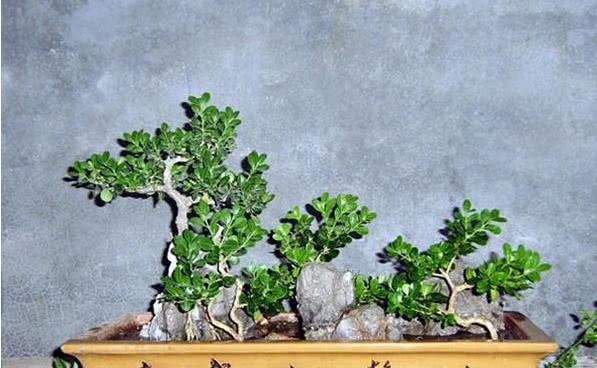
Detailed Explanation of the Production Methods and Precautions for Boxwood Bonsai
We all know that boxwood is an evergreen plant, with beautiful trees, small leaves, thick and glossy, evergreen in all four seasons, and highly ornamental. Below is a special article on the production and maintenance of potted plants. Boxwood bonsai production process: materials...
-
条件筛选