-

A Detailed Guide to Sichuan Pepper Harvesting Techniques and Processing and Utilization Methods
Sichuan pepper has a fragrant aroma and is a spice unique to China, also known as dajiao, shujiao, and dianjiao. When ripe, the pericarp of Sichuan pepper turns red to purplish-red, densely covered with warty protruding oil glands. The flowering period is from March to May, and the fruiting period is from July to October. It is mainly produced in Sichuan, Shaanxi, Henan, Hebei, Shanxi, Yunnan and other provinces, among which the quality produced in Sichuan is better, and the yield produced in Hebei and Shanxi is higher. 1. The effects of Sichuan pepper. According to measurements, every 100g of dried Sichuan pepper contains 6.7g of protein, 8.9g of fat, 66 of carbohydrates
-
A Detailed Explanation of the Picking and Processing Technique of Haoming Tea
Haoming Tea was developed jointly by the Haoming Tea Company of Yizheng City, Jiangsu Province, and Nanjing University, and is produced in the western part of the ancient city of Yangzhou in the Jiangbei tea region. Influenced by the unique regional environment, its quality is deeply favored by consumers for its emerald green color, flat and straight shape, high and lasting aroma, clear and bright liquor, fresh, mellow and refreshing taste, tender and even brewed leaves, and its resistance to many infusions. In 1990, this tea was designated as the special tea for the rostrum of the main venue of the 11th Asian Games, and in 2000 it won China
-
Processing Methods and Technical Key Points for Pickled Jerusalem Artichoke
Jerusalem artichoke, botanically known as Helianthus tuberosus, is a plant of the Asteraceae family. It can be used to produce health food with a unique flavor. 1. Process flow: raw material processing → sun-drying → initial pickling → removal of brine → second pickling → slicing → rinsing → seasoning → sterilization. 2. Processing key points. 1. Raw material pretreatment: First wash the raw materials with clean water, discard impurities and rotten, damaged, spoiled, or moldy tubers, rinse again with clean water, then place in a bamboo basket to drain. 2. Sun-drying: Spread the rinsed clean raw materials on a bamboo rack or clean cement slab, spread them evenly and thinly, and let them dry in direct sunlight. Turn them once in the morning and once in the afternoon until they feel soft when squeezed by hand; generally dry for 2 days.
-
Detailed Explanation of Silverfish Processing Technology and Key Operational Points
Through processing, silverfish can be turned into high-quality fish products that sell well in domestic and international markets, increasing the value of silverfish and thereby enabling the fishery to achieve high economic returns. Therefore, processing is an important component of silverfish and the fishery industry. Because silverfish have a relatively high protein content, the catch spoils easily, requiring that ice be used to keep it fresh during the purchasing and processing stages. At present, silverfish products in China are mainly processed according to export standards into packaging units of 1000 grams, and there are also domestic-sale products processed into 500-gram, 250-gram, and 1
-
A Detailed Guide to Post-Harvest Handling and Processing Methods for Wine Cap Mushroom
Wine cap mushroom, also known as King Stropharia, is a domesticated wild mushroom species, and in recent years there has been a trend of gradual expansion. Its mushrooms have a delicate fragrance, crisp and tender flesh, good palatability, high yield, high selling price, and very considerable economic benefits. However, its fresh products have a short storage time and are not easy to preserve. If not sold fresh in time, huge losses will be caused. In order to ensure that economic benefits are not lost, the salting processing and dried product processing techniques for wine cap mushroom are now introduced. 1. Salting processing of wine cap mushroom. 1. Harvesting. The mushroom bodies of wine cap mushroom used for salted export should be at 6-7
-
Detailed explanation of processing techniques for almonds, dried apricots, and apricot juice
The apricot tree is one of the ancient cultivated tree species in our country and is widely distributed. Apricot fruit is a treasure in every part, containing rich vitamins and mineral elements. Every 100g of flesh contains 10g of sugar, 0.9g of protein, 1.79g of carotene, 0.02mg of thiamine, 0.03mg of riboflavin, 0.6mg of nicotinic acid, and 7mg of vitamin C. Almonds contain about 23% protein, 50%-60% fat, with an oil yield of 45.8%, and are rich in phosphorus, calcium, potassium, iron and other nutritional elements needed by the human body
-
Garlic Processing Methods: How to Make Dehydrated Garlic Flakes and Sweet-and-Sour Pickled Garlic
1. Dehydrated garlic flakes: Select fresh garlic bulbs that are well matured, free of injury, free of pests and diseases, white in color, and large in size. After removing the stem ends, separating the cloves, and peeling, slice them while keeping them wet, then rinse them in a citric acid aqueous solution to reduce the activity of garlic enzymes. Note that rinsing must be completed within 24 hours after slicing, so that the garlic flakes do not produce colored pigments due to oxidation, which would affect the color of the finished product. Place the rinsed garlic flakes in a temperature-controlled dehydrator and control the temperature in three stages: keep the temperature at around 60°C in the early stage, increase the temperature appropriately in the middle stage, and keep it above 70°C in the later stage, but it must not exceed 7
-
Detailed Explanation of the Processing Technology of Caviar
I. Raw Materials and Equipment Raw materials: Broad bean chili paste is generally purchased from the market as the main ingredient, with some auxiliary materials added. The auxiliary materials mainly include: vegetable oil, sesame, peanut powder, tomato paste, white sugar, monosodium glutamate (MSG), caviar, etc. Equipment: steam jacketed kettle, high-pressure sterilization kettle, grinder, stainless steel basin, electronic scale, etc. II. Production Process 1. Process flow: boiling vegetable oil -> raw material paste processing -> addition of auxiliary materials (sesame, peanut powder, tomato paste, caviar) -> mixing and blending -> boiling -> cooling -> filling -> steril
-
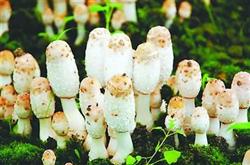
Harvesting Methods and Dried Product Processing Techniques for the Shaggy Mane Mushroom
The shaggy mane mushroom, also known as the shaggy ink cap, is a typical mesophilic variety. When the soil temperature is below 8°C, it cannot fruit normally; when the soil temperature is above 30°C, the mycelial vigor declines, the parasitic fungus Coprinus comatus pest mushroom appears in large numbers, and the shaggy mane crop is nearly lost entirely. By adopting measures to cool down in summer and warm up in winter, shaggy mane mushrooms can be produced year-round, but in summer...
-
Detailed Explanation of the Key Technical Points for Processing and Making Dried Small Shrimp
Key Technical Points for Processing and Making Dried Small Shrimp
条件筛选