-
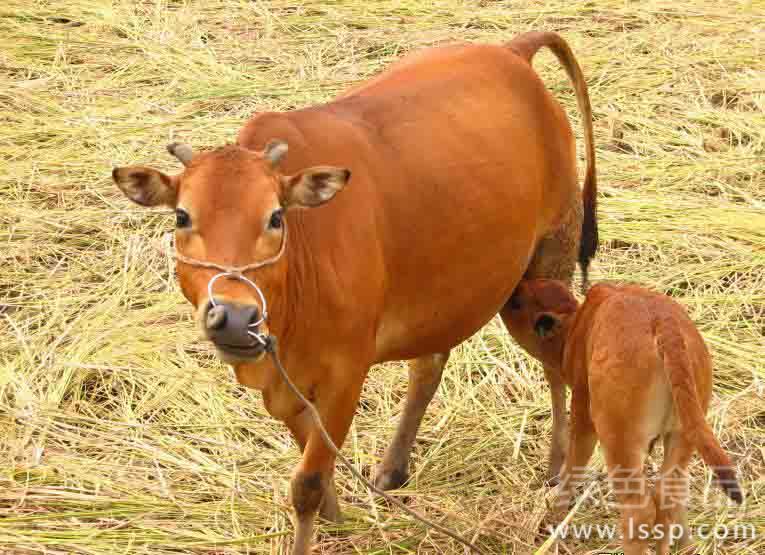
Beef Cattle Autumn Farming Techniques: Improper Forage Processing Can Easily Cause Poisoning
Improper Forage Processing Can Easily Cause Poisoning: Beef Cattle Autumn Farming Techniques
-

Detailed Explanation of the Processing Method for Liquid Fish Protein Feed
Liquid fish protein feed is made from waste or low-value fish from aquatic product processing, which is minced or ground, then mixed with a certain amount of acid or fermented with microorganisms; through the autolysis produced by the fish's own enzymes, it is liquefied into a slurry product. Because this protein feed has good storage resistance, some people also call it acid-preserved feed. Lactic acid bacteria fermentation method (molasses fermentation). Natural lactic acid bacteria fermentation: mince raw fish with no pollution source or disease, add molasses or sugarcane sugar-processing
-
Detailed Explanation of the Processing Technology of Caviar
I. Raw Materials and Equipment Raw materials: Broad bean chili paste is generally purchased from the market as the main ingredient, with some auxiliary materials added. The auxiliary materials mainly include: vegetable oil, sesame, peanut powder, tomato paste, white sugar, monosodium glutamate (MSG), caviar, etc. Equipment: steam jacketed kettle, high-pressure sterilization kettle, grinder, stainless steel basin, electronic scale, etc. II. Production Process 1. Process flow: boiling vegetable oil -> raw material paste processing -> addition of auxiliary materials (sesame, peanut powder, tomato paste, caviar) -> mixing and blending -> boiling -> cooling -> filling -> steril
-
Detailed Explanation of Silverfish Processing Technology and Key Operational Points
Through processing, silverfish can be turned into high-quality fish products that sell well in domestic and international markets, increasing the value of silverfish and thereby enabling the fishery to achieve high economic returns. Therefore, processing is an important component of silverfish and the fishery industry. Because silverfish have a relatively high protein content, the catch spoils easily, requiring that ice be used to keep it fresh during the purchasing and processing stages. At present, silverfish products in China are mainly processed according to export standards into packaging units of 1000 grams, and there are also domestic-sale products processed into 500-gram, 250-gram, and 1
-
How is dried small shrimp processed? A full analysis of dried small shrimp processing technology
Main raw materials: Acetes shrimp, table salt, etc. Equipment and tools: iron wok, baskets, flow-through stove. Production method: Grade and sort the Acetes shrimp; those containing more impurities should be sifted with a sieve; if the raw materials are not clean, they should be washed, and after washing, place them in baskets to drain, with each basket holding about 6 kg of Acetes shrimp. The following methods can be used for cooking: ① Basket-rotating cooking method. That is, fill a large iron wok with a diameter of 90 cm seven-tenths full with fresh water, add 2 kg of table salt, and after bringing to a boil, sprinkle an appropriate amount of table salt onto the shrimp basket after the shrimp have been placed in the basket and drained
-
Detailed Explanation of the Oil-Immersion Smoking Processing Technology for Canned Ribbonfish
(1) Raw material handling: Remove the fins, tail, and belly meat from fresh or frozen (thawed) ribbonfish. Control the tail width at 2.5-3 cm. Blanch in hot water at 70-75°C for 2-6 s, scrape off the scales, cut off the head, and wash away blood, black membrane, and impurities with running water. Split into fillets, remove the backbone, and rinse again with running water for 40 min to remove blood. (2) Salting: Immerse the fillets in 4.5-5.5°B6 brine for salting. The ratio of fillets to brine is 1:2, and the salting time is 20 min. (
-
Tuna Fishing and Ice-Fresh Processing Techniques
Tuna is a highly migratory marine fish with delicious meat and high nutritional value, deeply loved by consumers, and has therefore become one of the key fishing targets for fishing nations. I. Handling on Deck 1. Avoid bruising the fish: After the fish is on deck, it must not be allowed to thrash around, to prevent internal bruising. After bruising, it causes damage to 5 times the area of muscle, especially in the belly. The method is: place it on a carpet, press both hands on the fish's eyes, or strike the fish's head with a hammer, but be careful not to
-
A Detailed Explanation of the Processing Technology of Caviar and Fish Roe
The ovaries of various spawning marine fish, shellfish and freshwater fish can be used as food, and in many parts of the world fish roe is considered a very nutritious food, with high protein content, less contaminated raw materials and good-tasting finished products. Therefore, fish roe products are very popular in markets around the world. 1. Caviar processing The term "caviar" is often used to refer to fish roe produced in a special way. In the past, the black caviar was a delicacy in foreign royal courts; now it is a beauty and health recipe for fashion-conscious people and friends who love good food yet still worry about losing weight.
-
Detailed Explanation of the Large Icefish Processing Technology Series (Part One)
Large icefish, also known as noodlefish, was originally widely distributed in the main stream and affiliated lakes of the middle and lower reaches of the Yangtze River. Its flesh is tender and delicious, rich in nutrients, and eating it carries a special fresh cucumber aroma. Large icefish generally has a body length of about 20 cm, with no bones or spines. It is a small, precious fish species with high economic value and is highly popular in domestic and international markets. Two processing methods for large icefish are introduced here: I. Processing of quick-frozen large icefish. 1. Preservation and transportation of raw fish. Large icefish has a small body and thin skin, making it extremely prone to spoilage.
-
Detailed Explanation of the Imitation Crab Meat Processing Technology
Imitation crab meat is a convenience food made primarily from Alaska pollock (walleye pollock) with the taste of fresh sea crab. At present, the technology and equipment for imitation crab meat in Shandong Province were introduced from Japan. As an aquatic convenience food, imitation crab meat has broad prospects for development. At present, the product is mainly exported to Japan and the United States. 1. Process flow: frozen surimi -> thawing -> ingredient mixing -> chopping and grinding -> steaming and roasting -> strip rolling and shaping -> sterilization -> cooling -> vacuum packaging -> rapid low-temperature freezing -> boxing -> cold storage 2. Process operation procedures:
条件筛选