-
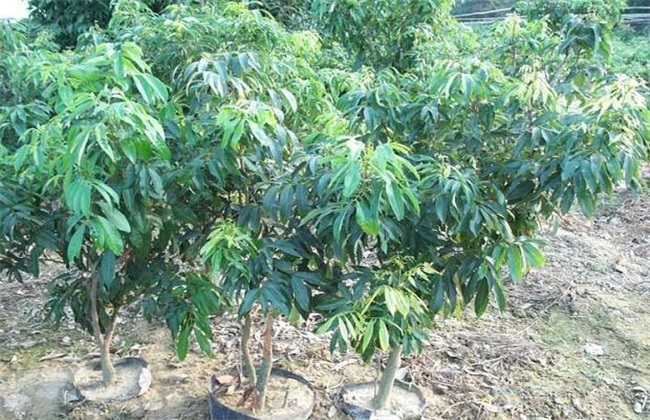
A detailed explanation of the lychee growth process, from flowering to fruiting
The growth process of lychee
-

Detailed Explanation of Carambola Drying Processing Methods and Production Flow
The raw material for processing dried carambola is sour carambola, which is processed as a semi-finished product because it remains very sour after drying and needs further processing into other foods. The processing techniques are as follows: 1. Raw material preparation: Peel off the angular edges of fresh carambola, cut lengthwise into two halves, or cut crosswise into five-pointed star slices. 2. Pretreatment: Because the peel portion of the fruit is rich in tannins, during the drying process the tannin substances will oxidize and discolor, causing the product to turn brown or even black. In order to achieve good color, the raw material needs sulfur treatment, and there are two methods
-
Detailed explanation of the jujube processing workflow
1. Workflow: raw material selection → scoring → sulfur fumigation → boiling → drying → grading and packaging → finished product. 2. Key operating points. Material selection: choose fruit that is uniform in size, thin-skinned, with loose flesh and little juice, harvested at the white-ripe stage, free of pests, diseases and mechanical damage. Scoring and sulfur fumigation: first sort the raw material into several grades by size; to facilitate sugar penetration, cut fine lengthwise stripes on the surface of the jujube, 70-80 cuts per fruit, with a depth reaching half the thickness of the flesh; immediately after scoring, fumigate with sulfur, using sulfur
-
How Are Candied Jujubes Processed? A Full Breakdown of the Production Flow
Candied jujubes are dried preserves made from fresh jujubes. The processing technique is as follows: 1. Raw material selection: Generally, varieties with large fruit, small pits, loose flesh, thin but tough skin, and relatively little juice should be chosen. The best fruit maturity is when the green color begins to fade and the fruit turns milky white. 2. Grading: Grade the jujube fruits by size, removing deformed fruits, fruits affected by pests or disease, overripe fruits, and damaged fruits. 3. Slitting: To facilitate sugar penetration and flattening into shape, the fruit surface is usually slit. The jujube fruits are fed into the channels of a jujube cutting machine (slitting machine) to be slit, with the cutting depth
-
Detailed explanation of peach juice processing technology and flow
(1) Process flow: feeding → cleaning → cutting into halves → pitting → soaking → pre-boiling → pulping → blending → deaeration → homogenization → sterilization → filling → sealing → cooling → wiping bottles → labeling → quality inspection → boxing → warehousing (2) Process specifications (1) Raw materials: Select canning peach varieties for processing, with large size, small pit, clingstone, white or yellow flesh, and a relatively high degree of ripeness to highlight the peach flavor. Remove diseased, insect-damaged, bruised and rotten fruit, then wash. When washing, pay attention to brushing off the peach fuzz with a brush. If pesticides are present, add dilute hydrochloric acid to
条件筛选