-

Problems Facing Cultivated Land Protection and Reflections on Their Root Causes
Protecting land, especially cultivated land, bears on the long-term stability of the country and the survival of the nation; promoting farmers' prosperity bears on the foundation of governance and national rejuvenation. As reform continues to deepen, problems affecting cultivated land protection, especially the protection of basic farmland, and farmers' prosperity keep emerging
-
How can the "three rural" issues be solved? Adopting new development concepts is key
The Central Rural Work Conference proposed that during the 13th Five-Year Plan period, agricultural and rural work must uphold the development concepts of innovation, coordination, green, openness and sharing, firmly establish a strong awareness of weak links, adhere to a problem-oriented approach, and effectively lengthen agriculture, the short leg of the "synchronization of the four modernizations",
-
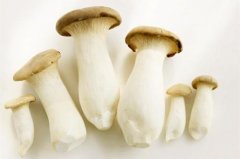
Common Problems and Answers in King Oyster Mushroom Cultivation
The king oyster mushroom (Pleurotus eryngii) is a common edible mushroom, and many problems are often encountered when growing it. Below are answers to a few common questions, and I hope they are helpful to you. 1. How do you deal with the problem of king oyster mushrooms producing many fruiting bodies but having a low marketable rate? If you have not thinned the mushroom buds
-
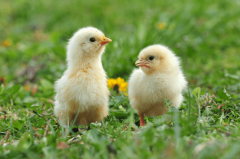
Spring Chick Raising Precautions: The Most Serious Problems and Common Breeds
Beginning chicken keepers often ask this question, probably because spring is the most active and usual time for raising and brooding chicks. As long as you have everything you need to raise them, you can buy them whenever you need to. However, chicks bought and raised in winter
-
An Analysis of Citrus Cultivation Techniques and the Problems Facing China's Citrus Industry
China is one of the important places of origin for citrus, with a long history of citrus cultivation. As early as over two thousand years ago, the patriotic poet Qu Yuan wrote the famous piece "Ode to the Orange" in his hometown. So what are the citrus cultivation techniques? What problems does China's citrus industry face? I. Citrus
-
How to solve peach tree replant problems: choose the right fertilizer and pay attention to watering
Summary Pay attention to watering: replanting causes replant disease, and replant disease inhibits the sprouting and growth of the peach tree root system. Rising temperatures in June can easily cause the peach tree to dehydrate and die, so watering before June must be taken seriously. This allows water to be transported through the stomata of the peach tree's roots and stems
-
6 things to note when planting hardy kiwifruit, learn them early to avoid problems later
When planting hardy kiwifruit, pay attention to choosing slightly alkaline loam or sandy soil with moderate pH for planting, generally planting around March each spring, or around October in autumn, or you can choose a suitable planting time according to the local climate. When planting, you should also
-
How to remedy problems encountered during mushroom growth?
(1) The mycelium does not grow onto the casing soil layer. This is mainly because the compost is over-fermented or under-fermented, or the pH of the compost and casing soil is improper; or because too much water is sprayed after casing, flowing into the compost layer and causing the mycelium to shrink or die. In cultivation, measures should be taken to strengthen ventilation, adjust the pH, and insert holes into the compost to release excess
-
Analysis and Treatment of Common Problems in the Cultivation of Black Fungus
Everyone is very familiar with black fungus; in daily life, black fungus is a fairly common dish, and in the editor's home black fungus is basically eaten once a week. Stir-fried pork with black fungus is a favorite of the whole family. Do not underestimate this black fungus; eating it regularly has
-
Analysis of Technical Problems in Polyporus umbellatus Cultivation
Polyporus umbellatus comes in three colors: black, gray, and white, respectively called black sclerotium, gray sclerotium, and white sclerotium. For Polyporus umbellatus sclerotia that have grown for more than one year, the surface is black and glossy, the texture is dense and highly tough, and the cross-section is white or pale yellow, with some parts able to germinate hyphae; gray sclerotium has a gray or grayish-yellow surface
条件筛选