-
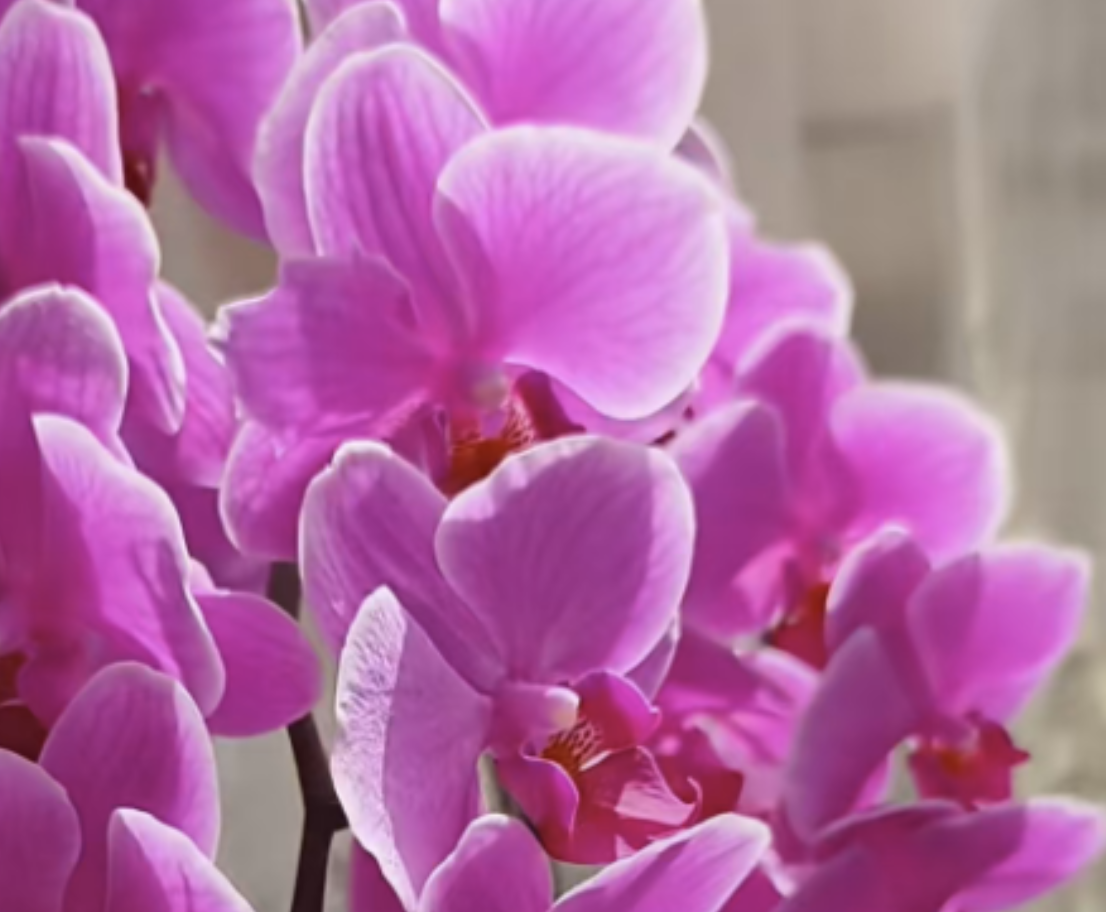
Does it mean stem rot when the roots of a Phalaenopsis orchid turn black? What causes black roots in Phalaenopsis orchids
The roots of my Phalaenopsis orchid used to be plump and white, but suddenly they turned black. Many people, seeing this, immediately panic: “Oh no, stem rot!”
-

Aerial Roots of Phalaenopsis: The Ins and Outs of Dry vs. Wet, and What Causes Them to Dry Out
Anyone who grows Phalaenopsis orchids is surely impressed by those few aerial roots sticking out of the potting medium -- either wrinkled like sun-dried preserved mustard greens, or plump like a sea cucumber full of water. So should these things be dry or wet? And if they dry out, how do you save them? Actually, the aerial roots of Phalaenopsis can't be too dry, nor should they be wet all the time; they need
-

Is a wrinkled aerial root on a Phalaenopsis orchid a sign it has gone bad? What causes aerial roots on Phalaenopsis orchids to wrinkle?
Aerial roots that were once plump and white suddenly turn wrinkled, as if they have shrunk. "Is this root bad? Is my Phalaenopsis orchid about to die?" A wrinkled aerial root on a Phalaenopsis orchid is not necessarily a bad thing; the key is to figure out "why it is wrinkled." This plant is quite peculiar: its aerial roots are not only used to absorb water and
-
Is a Phalaenopsis orchid's root system turning white a sign of underwatering? An analysis of the causes
Healthy roots are the foundation of a Phalaenopsis orchid's growth. If the roots turn white, it is often related to improper water management. 1. Causes of white roots: Whitening caused by underwatering: the roots appear light grayish-white and feel somewhat hard, along with the potting medium (sphagnum moss or bark) being dry, pale, and compacted, no condensation on the inside of the pot wall, and the overall pot feeling
-
Is the Phalaenopsis Pink Pearl easy to care for? Root rot causes explained
Today I have to recommend a standout in the world of Phalaenopsis - Pink Pearl, which also has a very imposing name: Peerless Duo. Phalaenopsis Pink Pearl stands out among many flowers with its unique charm, and once won third place at a Taiwan, China orchid show! Its flower shape and flower color are similar to the second-place Bao
-

Causes of Root Rot in Angelica sinensis and Control Methods
Angelica sinensis is a common traditional Chinese medicinal herb with effects and functions such as tonifying blood and promoting blood circulation, regulating menstruation and relieving pain, and moistening the intestines to relieve constipation. Its market demand is relatively large, so more and more people are growing it, but root rot is extremely prone to occur during the cultivation of Angelica sinensis. So what
-
What are the latest causes of orchid root rot?
The orchid is a traditional flower originating in our country, and together with plum, bamboo and chrysanthemum it is known as one of the "Four Gentlemen of Flowers." Chinese orchids are simple and elegant, fitting the Chinese character very well, so some people grow orchids at home to express their own noble character. But
-
What to Do About Snake Plant Root Rot? Causes and the Latest Treatment Methods
The snake plant (Sansevieria) is a very common houseplant grown for its foliage. Its leaves bear markings of grayish-white and dark green, just like a tiger's stripes, and the plant as a whole stands fairly upright, giving it a very firm and imposing look. As a foliage plant with strong adaptability,
-
What Causes Root Rot in Hydroponic Anthurium? Detailed Explanation of Causes and Solutions
Recently the topic of Anthurium has been very popular, and discussions about Anthurium cultivation problems can be seen on all the major forums. The editor recently came across a headache-inducing problem that many flower enthusiasts have encountered: many flower enthusiasts have run into root rot when growing Anthurium hydroponically.
-
What causes root rot in Solomon's seal (Polygonatum odoratum)? Here are the latest prevention and treatment methods
Solomon's seal (Polygonatum odoratum) is a perennial herbaceous plant of the Liliaceae family, native to the southwestern region of China. It has high medicinal and health-promoting value, and its verdant, bright leaves make it a good choice as a household potted plant as well. During cultivation, many friends find that the Solomon's seal they are growing
条件筛选