-

Symptoms and Prevention and Treatment Methods of Postpartum Tetany in Dogs
Postpartum tetany, also known as "postpartum eclampsia," "postpartum epilepsy," or "lactation convulsions," is a severe metabolic disease characterized by hypocalcemia and abnormal excitation of motor nerves causing tonic muscle contraction. Although this disease can occur before birth, during delivery, or within 6 weeks after birth, it occurs most frequently during the 2 to 4 weeks after birth. This disease is most commonly seen in small female dogs with large litter sizes and high milk production. A sharp decrease in postpartum blood calcium concentration is the direct cause of this disease, and feeding food with low calcium content and unbalanced nutrition is the triggering factor.
-
What to Do About Postpartum Eclampsia in Dogs? Causes and Prevention and Treatment Methods
It is caused by a drop in the bitch's blood calcium concentration after giving birth. Clinically, symptoms such as tonic or intermittent muscle spasms and elevated body temperature may be seen. Treatment focuses mainly on supplementing blood calcium. [Prescription 1] 10% Calcium Gluconate Injection 10-30 ml - 5% Glucose Saline 250-SOO ml. Directions: slow intravenous injection once. [Prescription 2] Vitamin D Calcium Colloid Injection 1-3 ml. Directions: intramuscular injection or Pishu acupoint injection once.
-
Postpartum Care Methods and Precautions for Dogs
A postpartum female dog has poor physical condition and must also bear the heavy responsibility of nursing, so the care of the mother dog is directly related to its growth and development. Therefore, nutrition must be comprehensive, food should be easy to digest, and calcium supplements should be given in fixed amounts every day to prevent postpartum calcium deficiency. If after giving birth, especially between 7 and 20 days postpartum, the puppies grow rapidly, the mother dog is very prone to showing panting, high fever, and loss of appetite. In this case, you should go to an animal hospital as soon as possible for intravenous fluid and calcium supplementation; 3 consecutive infusions can relieve the symptoms.
-
How to treat postpartum paralysis in pigs and sheep? This effective formula works well
1. Treating postpartum paralysis in sows. Postpartum paralysis in sows mostly occurs within 2-5 days after farrowing. In the early stage of the disease, the animal is listless, has reduced appetite, and produces less milk; body temperature is normal or slightly elevated. In mild cases, standing is difficult and the hindquarters sway; in typical cases, the animal cannot stand and lies down in a stupor. For treatment, add 4% bone meal, AD3 powder and trace element additives to the feed. Inject the sick pig intramuscularly with 3-5 milliliters of vitamin D3 colloidal calcium, 5-10 milliliters of vitamin E injection (twice daily); vitamin D3 600-1200 international units, once daily, or take an appropriate amount of quicklime, add clean water, stir and let stand. Each time the affected sow is fed, take 300-400 milliliters of the clear supernatant limewater and mix it into the feed. Generally, feeding continuously for 10 days gives a marked curative effect.
-
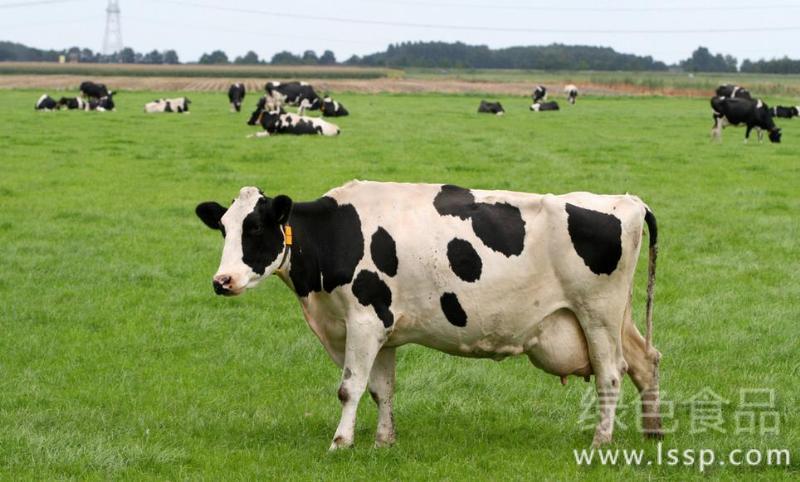
What to Do About Postpartum Udder Edema in Dairy Cows? A Detailed Guide to Prevention and Treatment
What to Do About Postpartum Udder Edema in Dairy Cows and How to Prevent and Treat It
-
Postpartum hypocalcemia in female dogs should not be ignored, and dog owners need to take it seriously
Postpartum hypocalcemia in female dogs, also known as postpartum eclampsia, postpartum tetany or lactation eclampsia, is a serious metabolic disorder in female dogs after giving birth. This disease is mainly characterized by hypocalcemia and muscle tonic spasms caused by abnormal excitation of motor nerves, accompanied by symptoms such as increased respiratory rate. This disease is paroxysmal and mostly occurs in small dogs or medium-sized high-yielding female dogs 10 to 20 days after delivery. At present, domestic techniques for diagnosing and treating this disease are relatively mature, and the treatment results are also relatively satisfactory. The basic approach is symptomatic treatment and calcium supplementation. The author, while treating 5 cases
-

Lily is both ornamental and medicinal: its benefits, effects and contraindications, and why postpartum women should not use it
Lily - anyone who has seen it will remember it well. Its flower shape is beautiful and its colors are rich; it is a very beautiful flower with strong ornamental value. Of course, if you only treat it as an ornamental plant, then you have greatly underestimated the lily. It is said that the benefits and effects of lily are astonishing - not only does it have a beauty effect
-

What to Do About Postpartum Paralysis in Ewes? Detailed Explanation of Causes and Prevention and Treatment Methods
Causes and Prevention and Treatment Methods of Postpartum Paralysis in Ewes
-

A wild herb that warms the whole body, very useful for women during postpartum confinement, dried it sells for 300 yuan per jin
There are many magical plants in the countryside, and more or less they all have some medicinal value, which is why Shennong tasted hundreds of herbs, testing their medicinal properties and toxicity, all in order to develop the medicinal value of these wild herbs! On the mountains in the countryside, there is just such a...
-

What are the treatment methods for postpartum paralysis in sows?
Treatment methods for postpartum paralysis in sows
条件筛选