-

Four key points to note in the prevention and control of edible mushroom pests and diseases
Four points to note in the prevention and control of edible mushroom pests and diseases
-
Several key points to note when topdressing edible fungi
The following points must be noted when topdressing edible fungi
-
Technical points to note when replenishing water in edible mushroom cultivation
Points to note when replenishing water for edible mushrooms
-
Seven Methods for Storing Edible Mushroom Spawn and Points to Note When Introducing Spawn
Seven Methods for Storing Edible Mushroom Spawn
-
Three-Stage Management of Edible Mushrooms Cultivated in Summer and Points to Note When Introducing Strains
Three Stages of Edible Mushroom Management in Summer Cultivation
-
High-Yield Cultivation Techniques for Agaricus blazei and Points to Note When Rehydrating Edible Fungi
High-Yield Cultivation Techniques for the Edible Fungus Agaricus blazei
-
Six key points to note in mushroom cultivation
Pre-wetting must be thorough: the rice straw should be fully soaked to facilitate fermentation. Straw that has not been soaked thoroughly requires a large amount of supplemental water when turning the pile. If the water cannot be made up before the second pile turning, it will be very difficult to make up afterward, which will affect the growth of the mycelium. Pile turning must be even: when turning the pile, follow the principle of "raw material in the middle, cooked material on both sides; the middle goes to the two ends, the two ends go to the middle." Failing to follow this principle when turning the pile will lead to uneven fermentation of the compost and fail to achieve the purpose of pile turning. Soil collection must meet the requirements: some farmers use untreated garden soil for casing soil, and some
-
Key points to note during the fruiting period of shiitake mushrooms: regulation of temperature and humidity differences
Increase the day-night temperature difference. In late autumn and early winter, daytime temperatures are high and nighttime temperatures are low. Cover with a layer of film during the day so that the temperature inside the mushroom bed is 2°C-3°C higher than outside the film, then open the film after 10 p.m. so the temperature drops rapidly. After several consecutive days, a large number of primordia will emerge on the surface of the mushroom logs and develop into mushroom buds. Control the humidity of the mushroom yard. After color change, initially maintain the relative humidity of the mushroom bed at about 85%. As large numbers of mushroom buds differentiate into caps and stipes, lower the air humidity to about 80%. Create a suitable dry-wet difference. In the early stage of autumn mushrooms, the internal water content of the mushroom logs is relatively sufficient and can safely
-
Detailed Explanation of Points to Note When Mixing Substrate for Substitute-Material Cultivation of Shiitake Mushrooms
Substitute-material cultivation of shiitake mushrooms is another cultivation method following log or round-wood cultivation. Its cultivation forms are diverse, mainly designed according to differences in cultivation conditions, cultivation materials and cultivation containers. It has developed rapidly in recent years and now accounts for more than 95% of the cultivation area. In its medium, materials rich in cellulose, lignin and hemicellulose, such as wood chips, crop straw and wild grasses, are used as the main components of the cultivation material, appropriately supplemented with auxiliary materials such as wheat bran and rice bran rich in organic matter and vitamins, as well as gypsum, calcium carbonate and similar substances containing inorganic salts. The water content is adjusted to around 60%, and after sterilization it is inoculated and cultivated.
-
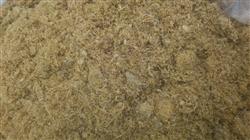
What are the points to note when preparing the substrate mix for tea tree mushrooms?
What should be noted in the substrate mix for tea tree mushrooms? I hope a fellow grower can give some guidance. Factors that easily lead to substandard substrate mix in the tea tree mushroom formula: the bioconversion rate of the tea tree mushroom (Agrocybe aegerita) can reach 133%, meaning that 100 kg of substrate (dry material) can produce 133 kg of fresh mushrooms. Although there are many factors behind substandard yields, one very important reason is improper culture...
条件筛选