-

2019 Rabbit Fur Prices and Notes on Plucking Wool from Angora Rabbits
Rabbit fur is the collective name for domestic rabbit fur and hare fur. Textile rabbit fur comes from Angora rabbits and domestic rabbits. Pure spinning is rather difficult, so it is mostly blended with other fibers and can be used for knitwear and woven fabrics. Generally, people who are allergic to wool will not be allergic to rabbit fur either. So how much is rabbit fur in 2019
-
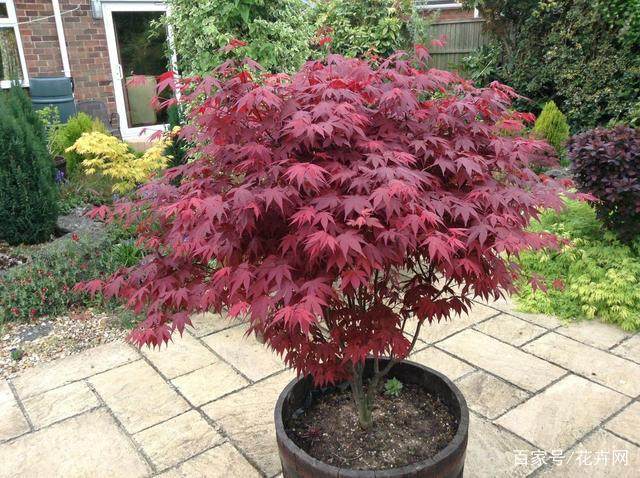
A Complete Guide to Summer Leaf-Plucking Techniques for Japanese Maple Bonsai to Help It Safely Through the Hot Summer
As a precious and highly ornamental bonsai, the Japanese maple bonsai demands a great deal of time and effort in its care. Especially as a bonsai, one very important aspect is its pruning. So when it comes to the Japanese maple bonsai, because it...
-

What are the precautions for plucking wool from Angora rabbits?
Precautions for plucking wool from Angora rabbits
-
The correct method and key operational points for plucking bristles from live pigs
Plucking bristles from live pigs is best done in summer, as this is precisely the molting and bristle-shedding period. Five minutes before the first plucking begins, feed the pig some distillers' grains type feed, so that the pig's pores are dilated. Then, while the pig is eating or lying quietly, use one hand to gently stroke the pig's body, and with the other hand gently pull a bristle to test whether it comes off with a light tug. If the hair root is already loose, it means this is the most suitable time to pluck. When it is determined that the hair roots are loose, a fine wooden comb can be used to comb the pig's bristle ridge area from back to front. The bristles can then be combed off, sorted, put into a pre-prepared paper bag, and stored
-
Detailed Explanation of Famous Tea Plucking and Fresh Leaf Processing Techniques
The quality of famous tea depends to a large extent on the fresh leaf raw material, but in recent years tea farmers' awareness of product quality has declined somewhat, especially in the plucking stage where standards are not strictly enforced, affecting the quality of famous tea. The plucking and fresh leaf processing techniques for famous tea are now introduced to tea farmers. 1. Plucking of Famous Tea The requirements for fresh leaf raw material of famous tea are extremely strict; the selected raw material must be uniform in thickness, complete, fresh and clean. It is strictly forbidden to mix in diseased or insect-damaged leaves, broken leaves, scales, fish leaves, purple buds, and even less to carry stem bases, tea fruits, old leaves and other debris.
-
Practical tips for plucking chicken and duck feathers with ease
1) When slaughtering chickens or ducks, first give the bird two tablespoons of white vinegar or baijiu, wait 5-10 minutes until the pores loosen and expand, then slaughter it, and scald it with hot water; the feathers will come out very easily. 2) Boil a pot of water, add one tablespoon of vinegar, put the slaughtered chicken into the pot so the water covers it, keep turning it, and after a few minutes take it out; the feathers will be very easy to pluck. 3) Do not bring the water for scalding duck to a boil, because duck feathers shrink when they meet 100°C boiling water and become very hard to pluck. The correct method is, when the water is just starting to bubble, put the slaughtered duck
-
Taiwan's humane electric-stunning down plucking is world-renowned, and the Council of Agriculture guarantees no blood down
Taiwan's down processing technology is world-renowned, with humane electric-stunning plucking, and the Council of Agriculture guarantees: absolutely no "blood down"
条件筛选