-

Key Points and Precautions of Eucommia Ring-Barking Technology Explained
Eucommia Ring-Barking Technology and Precautions
-

How to prevent and control premature aging in rapeseed? Practical measures explained in one article
Prevention and control measures for premature aging in rapeseed
-

-

How to transplant passion fruit for a high survival rate? Key technical points explained
Key points of passion fruit transplanting technique
-

Passion Fruit Cutting Propagation Methods and Techniques Explained in Detail
Passion Fruit Cutting Propagation Methods
-

How to Manage Nectarines After Harvest? Key Technical Points Explained in Detail
How to Manage Nectarines After Harvest
-

How to fertilize figs? Fertilization timing and methods explained clearly at once
How to fertilize figs
-

Key Points and Methods of Blueberry Fertilization Techniques Explained
Blueberry Fertilization Techniques
-
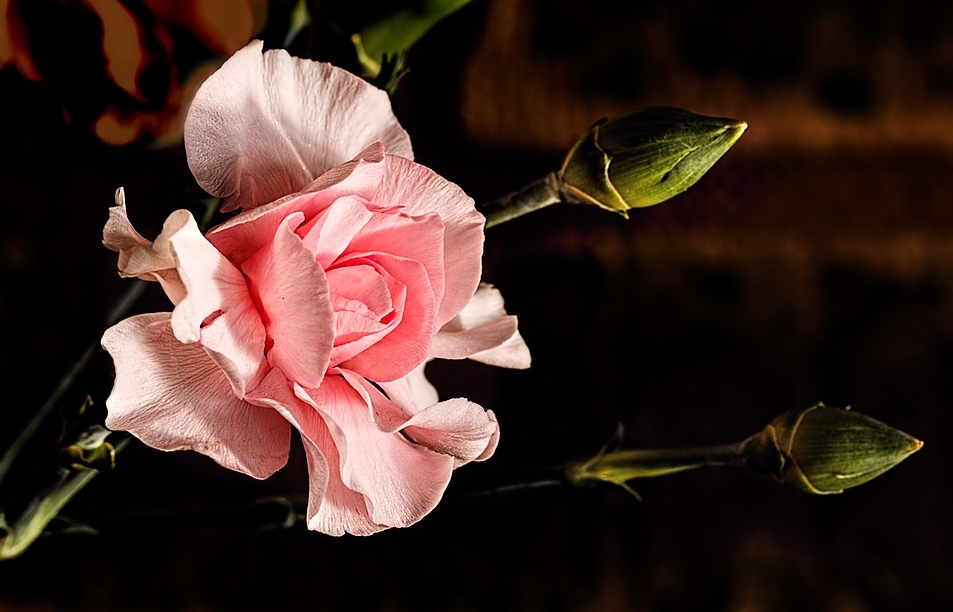
Are Carnations Toxic? How to Grow Them at Home and Whether You Can Eat Them, Explained Clearly
The scientific name of the carnation is Dianthus caryophyllus, also known as lion's head dianthus, large-flowered dianthus, Dutch dianthus, etc. It is a plant of the family Caryophyllaceae and the genus Dianthus, and is deeply loved by people. So, are carnations toxic? How do you grow carnations at home? Can they be eaten? Are carnations toxic? Carnations are non-toxic, so there is no need to worry about this.
-
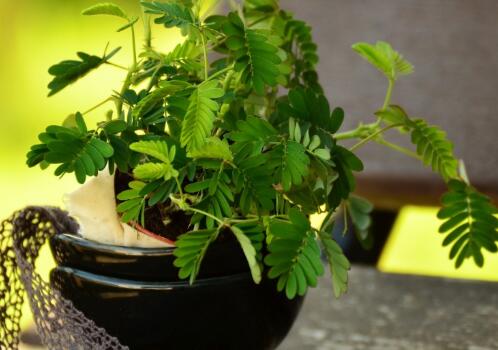
Is Mimosa pudica toxic? Medicinal value, indoor placement and the reason it is shy explained
In the plant kingdom there is a green plant whose leaves close at a touch, the mimosa (Mimosa pudica, also called sensitive plant). I believe many friends who like growing green plants at home have grown one. But do you know whether the mimosa, which can treat illnesses, is toxic? Can it be placed indoors? Why is it shy? Let us find out together below. What does the mimosa look like?
条件筛选