-

Methods for Making Sago Palm Bonsai: A Detailed Guide to Material Selection and Shaping Techniques
When growing potted flowers, plants, and trees at home, you need to consider both their decorative effect and their practical value. The sago palm (cycad) is very common, whether in parks or residential area landscaping. Today I will introduce to you: how to make a sago palm bonsai! (1) Material selection. Sago palms are usually propagated by sowing seeds, dividing offsets, or burying cuttings.
-
Detailed Explanation of the Production Methods and Shaping and Pruning Techniques for Chinese Hackberry Bonsai
Chinese hackberry (Celtis sinensis) is a deciduous tree of the order Rosales, distributed in Henan, Shandong, the middle and lower reaches of the Yangtze River and the provinces and regions to the south, as well as Taiwan, China; it is also found in Vietnam and Laos. This tree is often cultivated as bonsai. Next, let us learn about it in detail. Botanical knowledge: it belongs to the family Ulmaceae, genus Celtis. Deciduous tree
-
A Detailed Guide to Making Landscape Bonsai: Material Selection, Layout, Shaping and Plant Pairing
Rock Material Selection: Landscape bonsai is a scene formed by arranging and combining mountains, rocks, grass and trees in a pot. Rock material is the main material for creating landscape bonsai. There are many kinds of rocks, most of which are mined from nature, and their texture, color and crack patterns all have a natural essence. When selecting materials
-
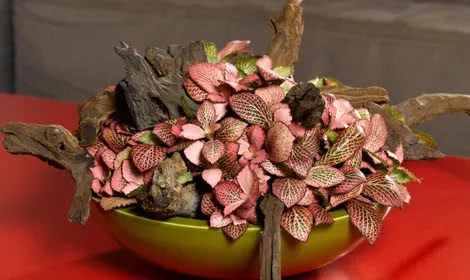
Which foliage plants have high ornamental value? They are very suitable for keeping a pot at home
Many gardening enthusiasts like foliage plants. The following plants are worth keeping a pot of at home, as they have very high ornamental value. Fittonia Fittonia plants are particularly small and grow in a creeping manner. Their leaves display particularly beautiful colors...
-
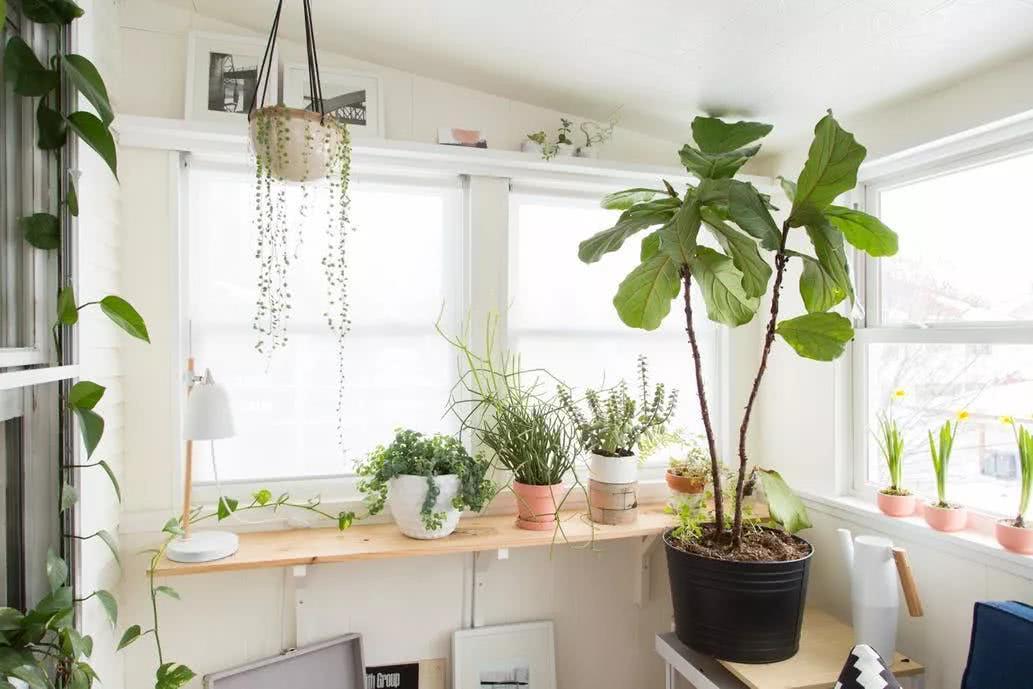
The fiddle-leaf fig is a large potted green plant suitable for keeping at home.
I really enjoy growing fiddle-leaf figs. I remember the first time I saw a fiddle-leaf fig in a friend's office, potted in a very striking white cylindrical ceramic pot. It looked especially grand, fresh and natural. Its leaves are very large, and the leaf surface...
-

What to Do About Garlic "Jumping" Out of the Soil? Causes and Control Measures Explained
Causes of Garlic Jumping Out of the Soil and Control Measures
-
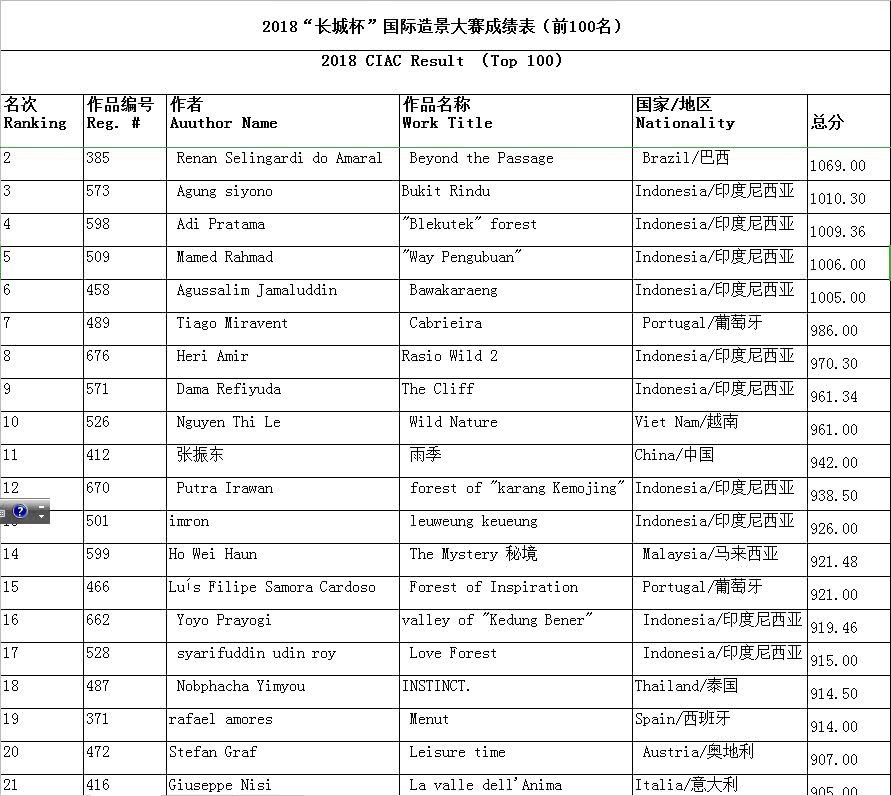
2018 Great Wall Cup International Aquascaping Contest Results Announced and Works Appreciation
The 2018 "Great Wall Cup" International Aquascaping Contest, which everyone has been following, has announced the competition results. Below are the top 100 in the large tank category: Below are the top 20 high-definition images. Due to limited space, for the photos of the top one hundred and the rankings of the bottom one hundred, please follow...
-

Clever landscaping creates a uniquely serene and beautiful scene
For great content, click below to watch more. To see more, please click: A roundup of bonsai articles! Like this article? Share it right away...
-
Growing Flowers to Prosperity: An Interview with Henan Pingdingshan Flower Farmer Tao Zhanzhu
On December 1, in the nursery of Tao Zhanzhu, a villager of Xingpu Village, Caozhen Township, Zhanhe District, Tao Zhanzhu (first from right) was busy potting flowers. Tao Zhanzhu, now 64 years old, said that in 2003, through land transfer, he planted sixty to seventy varieties of flowers and landscaping tree species on more than 40 mu of farmland.
-
Symptoms of Damping-Off and Rhizoctonia Rot in Herbaceous Flowers and Their Control Methods
Damping-off and Rhizoctonia rot are the main diseases of herbaceous flowers during the seedling-raising period. Cockscomb, scarlet sage, marigold, and garden balsam are highly susceptible to these diseases. The two have different pathogens: the main pathogen of damping-off is Pythium aphanidermatum, and the main pathogen of Rhizoctonia rot is Rhizoctonia solani, but their control methods are similar
条件筛选