-

Is the "King of Edible Mushrooms," the pine mushroom, poisonous? Can you eat it? Two ways to cook it with unforgettable flavor
The pine mushroom, also known as pine needle mushroom, yellow silk mushroom, pine hair mushroom, etc., is a type of mushroom that grows at the base of pine trees. Because it can be eaten and also used as a medicinal herb, it is widely consumed. So, is the pine mushroom poisonous? Can you eat it? How do you eat it? 1. Is the pine mushroom poisonous? When the pine mushroom is fresh
-
How much is pine mushroom per jin, and can it be cultivated artificially?
Although it has a simple structure and grows without organs such as roots, stems, and leaves, it can be used by humans as food or medicine, and its selling price on the market ranges from a few yuan to several hundred yuan. Today we will introduce the price of pine mushroom per jin, and whether it can be cultivated artificially, and other questions.
-
What is the difference between matsutake and pine mushroom? A quick guide to tell them apart
Matsutake and pine mushroom are both edible fungi, delicious in taste and rich in nutritional value. Matsutake is relatively expensive and is a premium ingredient. So, what is the difference between matsutake and pine mushroom? Let's find out together! 1. Different growing environments Matsutake is extremely precious
-
A Detailed Guide to Pine Mushroom Cultivation Techniques and Management Key Points
Before planting pine mushrooms, you must first build a mushroom shed in a higher terrain area, then prepare some poultry manure, wheat straw, corn stalks and other nutrients to ferment together, and thoroughly disinfect and sterilize them. When the nutrient temperature drops to 25 degrees, spread the nutrients on the mushroom bed, then follow
-
Key Points and Precautions for Pine Mushroom Cultivation Techniques Explained
There are mainly four points in pine mushroom cultivation techniques. The first point is that the time is generally in summer and autumn; the second point is to choose a pine forest with loose and rich soil for cultivation; the third point is that the cultivation site must have scattered light, so that it will grow abundantly after high-temperature thunderstorm weather; the
-
A Detailed Explanation of Pine Mushroom Cultivation Techniques and Management Points
Pine mushrooms currently cannot be cultivated artificially. Because in addition to having the general growth conditions of ordinary mushrooms, pine mushrooms must also grow together with pine trees, forming a symbiosis with pine roots. They generally grow in pine forests on shady slopes or semi-shady slopes at an altitude of 700 to 500 m, and grow abundantly in spring and autumn
-
Can pine mushroom be cultivated artificially? A detailed answer for you
Pine mushroom is a relatively precious wild mushroom, mainly distributed in Jilin, Liaoning, Hunan, Yunnan, Jiangxi, Guangdong, Sichuan, Xizang and other places. So can pine mushroom be cultivated artificially? Let's take a look! 1. Can pine mushroom be cultivated artificially? Pine mushroom cannot
-
Can pine mushrooms be cultivated artificially? A detailed explanation
Many friends enjoy eating mushroom-type ingredients, and pine mushrooms are one of them. So can pine mushrooms be cultivated artificially? Let's take a look! 1. Can pine mushrooms be cultivated artificially? Pine mushrooms cannot be cultivated artificially. Pine mushroom is the name used by people in Hubei; its scientific name is pine mushroom, and it can also be called pine hair mushroom, pine needle mushroom, etc.
-
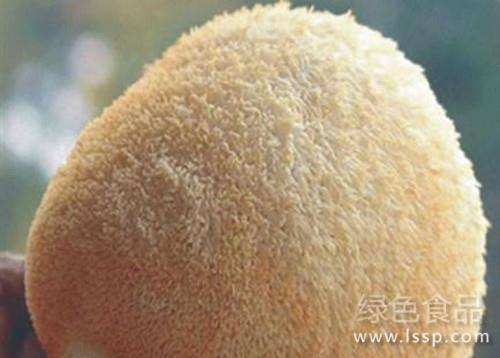
Causes and Prevention of Bald, Spineless, Abnormally Colored, and Coral-like Deformed Lion's Mane Mushrooms
Causes and Prevention of Bald Spineless Mushrooms, Abnormal Mushroom Color, and Coral-like Lion's Mane Mushroom Deformities
条件筛选