-

Potted Lantern Flower: Growing Methods and Care Notes (with pictures)
Lantern flower, also known as bell flower, hanging fuchsia, and pendant bell begonia, is a perennial herbaceous flowering plant of the genus Fuchsia in the evening primrose family. It has many varieties, with the main flower colors being red, purple, and white. Although it is delicate and beautiful, it cannot withstand the scorching sun of hot summers, so care must be taken during cultivation.
-

What should be noted during the cultivation of Wogan mandarins
What should be noted when planting Wogan mandarins
-
What are the things to note when growing gardenias at home?
Things to note when growing gardenias at home. Gardenia: The gardenia is an evergreen shrub or small tree, and there are four commonly seen types: (1) Large-flowered gardenia, also known as river-flower gardenia. The leaves are large and long-elliptical, the flowers are large and mostly double, with a strong fragrance. (2) Small-leaved gardenia, also known as sparrow-tongue flower. The plant is short and small, the flowers are relatively small, double, with a very strong fragrance.
-
What are the things to note when growing a peace lily at home?
Things to note when growing a peace lily at home. Peace lily: The peace lily is a perennial herbaceous flowering plant, divided into two types, large-leaved and small-leaved. It likes warm, humid conditions and is a semi-shade plant; it requires good ventilation and appropriate shading in summer.
-
What should be noted when growing Boston ferns at home?
Notes on growing Boston ferns at home. Boston fern: it is a pendulous fern species that likes warm, humid and semi-shaded environments and dislikes extreme heat. It can be grown indoors in bright indirect light and must not be exposed to direct strong sunlight, otherwise the leaves tend to turn yellow or the leaf margins dry up; however, it should not be grown in a dark place either.
-
What are the things to note when growing Billbergia (water tower plant) at home?
Things to note when growing Billbergia at home. Billbergia: also known as bromeliad, it likes warm and humid conditions, belongs to semi-shade flowers, requires good ventilation, and prefers acidic sandy loam rich in humus with good drainage and aeration. You can use leaf mold, sphagnum moss and garden soil sand, mixed with a small amount of bone meal as base fertilizer.
-
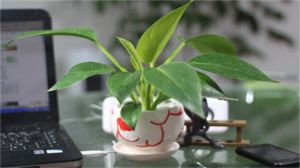
Is the Golden Pothos (Epipremnum aureum) toxic? These points to note when growing it indoors
The Golden Pothos is toxic. It is attractive and can also absorb harmful gases, decorate a room, and absorb dust. If placed in the living room, it will also give the room a pastoral feel, making people feel comfortable when they see it. However, if there are children in the home, it is recommended not to grow it in the living room or bedroom, to avoid accidental contact and poisoning.
-
How to Grow Pilea in Pots and Points to Note
Pilea is a perennial herb with creeping stems. It is a rather fashionable small foliage plant; because it is highly adaptable, easy to propagate, and relatively easy to grow, with compact, simple and elegant clumps, clearly defined green-and-white leaves, and beautiful patterns. Pilea prefers a warm, humid climate and loose, fertile sandy soil, and grows best at 15°C to 25°C.
-
What are the key points to note when growing Anthurium as a houseplant at home?
Key points for growing Anthurium: temperature. When growing Anthurium at home, keep the temperature as steady as possible. The optimal growing temperature for Anthurium is 16-24°C, and the minimum temperature should stay above 12°C. In an ordinary home with heating, this is easy to achieve. But at the same time, you must note
-
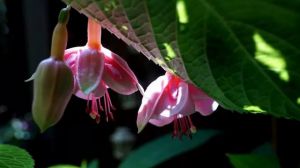
Can Fuchsia be placed in the bedroom? Notes on indoor placement
Fuchsia is not suitable for growing in the bedroom. First, it is a fairly large plant, and placing it here would take up a large area of the bedroom, making the space where people rest cramped. In addition, when it blooms, it gives off wafts of floral fragrance and produces pollen, which makes people feel excited and affects their sleep. It can be grown indoors in places such as the living room, balcony or study.
条件筛选