-
-

Reasons Why Newly Purchased Dogs Are Prone to Illness and Prevention Methods
With the improvement of living standards, more and more people are keeping pets. For various purposes, people regard dog keeping as a fashion. But people generally report: dogs are difficult to raise, especially newly purchased dogs are prone to illness. In practical dog cases, newly purchased dogs account for more than 1/3, bringing a lot of trouble and losses to dog owners. Why are newly purchased dogs prone to illness and how should it be prevented and treated? Based on our years of clinical observation, we believe there are the following main reasons, and corresponding preventive measures should be taken. 1 Main reasons why newly purchased dogs are prone to illness 1
-
Pigeon Newcastle Disease: Symptom Identification and Prevention and Treatment Methods
[Cause] Also known as pigeon paramyxovirus type I disease, it is a viral infectious disease (paramyxovirus type I virus), transmitted through contaminated feed, drinking water, pigeon equipment, and the clothing, shoes, and hats of people who have contact with diseased pigeons. [Symptoms] The initial signs are ruffled feathers, listlessness, and reduced appetite. There are paroxysmal spasms, drooping of one or both wings, paralysis of the feet and claws, twisting of the head and neck, head tilting backward, and discharge of yellow-green watery droppings, with feces adhering around the vent. Difficulty breathing, conjunctivitis or ocular inflammation, and nasal discharge may also be seen.
-
How to treat swine asthma? Sharing effective remedies and new methods
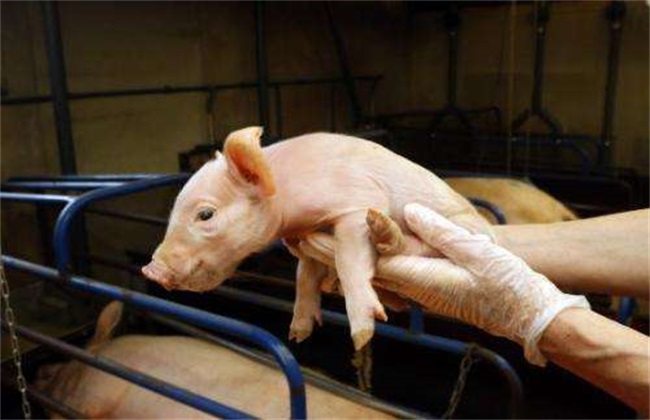
Swine asthma is a chronic disease characterized mainly by coughing and wheezing, accelerated breathing, audible wheezing sounds, a dog-sitting posture, foamy discharge from the mouth and nose, and reduced appetite, and it mostly occurs in cold, damp weather or when the climate changes abruptly. Affected by feeding management and sanitary conditions, the mortality rate is relatively high when secondary infection occurs. The following combination of drugs can cure it in a very short time, with good results. The method is: inject 1 ml of Houttuynia cordata injection and 10 ml of ciprofloxacin hydrochloride injection per kilogram of pig body weight, and inject 5-10 ml of methylene blue injection and 0.01-0.03 ml of atropine sulfate injection per pig, all by intramuscular injection, twice a day, with 4 days as one course of treatment, and two courses for severely ill pigs.
-
How to prevent and treat Newcastle disease in chickens? These methods you need to master
Newcastle disease in chickens, also called Asian fowl pest, commonly known as fowl plague, is a highly contagious, acute, and virulent infectious disease of chickens caused by Newcastle disease virus. It often presents as septicemia, with the main features being difficulty breathing, diarrhea, nervous system disorders, and hemorrhage of mucous membranes and serous membranes. I. Epidemiological characteristics: chickens of all breeds and ages can be infected, with young chickens and growing chickens being more susceptible, and older chickens over two years of age having reduced susceptibility. The main sources of infection for this disease are sick chickens and virus-carrying chickens; their secretions, feces, as well as contaminated feed, drinking water, non-susceptible wild birds, external parasites, humans and livestock can all transmit the pathogen. The main routes of transmission are the digestive tract and respiratory tract, and it can also invade the body through damaged skin and mucous membranes. It can occur in all four seasons. In non-immune areas or in flocks with low immunity, once a velogenic strain invades, it can spread rapidly, causing a devastating epidemic, with morbidity and mortality reaching over 90%. At present, in large and medium-sized @#@230@#@ farms, where flocks have a certain level of immunity, Newcastle disease mainly appears in an atypical form, which should be given attention.
-
What are the new processing techniques for Acetes shrimp? A detailed explanation of the processing methods
Acetes shrimp, namely Acetes chinensis, also known as small white shrimp, water shrimp, etc., belongs to the class Crustacea, family Sergestidae. Its body is laterally compressed and its carapace is thin. The body length is generally 2.5-4 cm. The rostrum is short and small, roughly triangular in side view, with the lower margin oblique and slightly curved, and the upper margin bearing two teeth. The telson is very short, with a rounded end, no spines, and the posterior half of the lateral margins and the terminal margin bearing feathery setae. The first three pairs of walking legs are in the form of tiny pincers, and the latter two pairs are completely degenerated. The body is colorless and transparent, with only the mouthparts and the second antennae flagellum red, the ventral surface of the sixth abdominal segment slightly red, and the base of the inner ramus of the uropod with 3-8 red spots. It lives in
-
What are the new methods for preserving fish?
There is a new method for preserving fresh fish. The Moscow Research Institute of the Meat and Dairy Industry in Russia has developed a glycerin spray method to extend storage time, allowing stored fresh fish to retain its original flavor. The formula of this new glycerin spray technology is: glycerin 1%-20%, hydroxyethyl amide 0.15%-0.3%, sorbic acid 1%-5%, polyvinyl alcohol 0.3%-30%, with the remainder being water. Spraying this preservative onto fish can slow oxidation and achieve long-term preservation.
-

How to prevent and treat Newcastle disease in chickens? These methods you need to master
Prevention and treatment methods for Newcastle disease in chickens
-

What do Chinese fire-bellied newts eat? A detailed guide to their diet and feeding methods
What do Chinese fire-bellied newts eat?
-

How to Keep Chinese Fire-bellied Newts? Detailed Explanation of Breeding Methods and Precautions
How to Keep Chinese Fire-bellied Newts?
条件筛选