-
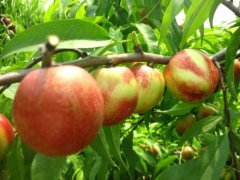
Where are nectarines mainly produced? What tree are they grafted from?
When eating peaches, we all know that the surface of a peach has a layer of fuzz. It cannot be eaten, but this fuzz is also very hard to wash off, so what should be done? Later, a new variety of peach appeared on the market, and that is the nectarine. Do you know that some regions in China
-
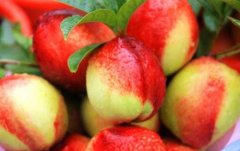
Where are nectarines mainly produced? A detailed explanation of whether they are genetically modified and whether they are unique to China
The nectarine is a type of peach fruit. Because its appearance is very different from other peach fruits, many people say it is a genetically modified fruit, but in fact it is not. It is a variant fruit produced through grafting, and it can be eaten with confidence. The nutritional value of nectarines
-
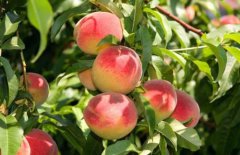
Five major peach variety characteristics: firm-fleshed peach, yellow peach, honey peach, nectarine, flat peach
Peaches are a fairly common fruit in our daily life, and we have also heard of peach tree grafting techniques. So how many peach varieties do you know? Do you recognize the peach varieties introduced below? 1. [Firm-fleshed peach] Firm-fleshed peach, also called crisp peach, is a common edible peach variety on the market. Its flesh is relatively firm, and even after ripening the flesh remains crisp, firm and dense. This kind of peach tastes quite good, but has relatively little juice.
-

How to Grow Nectarines: A Detailed Guide to Nectarine Planting Methods and Precautions
When it comes to nectarines, everyone has probably eaten them. They are a very delicious fruit with extremely high nutritional value, deeply loved and sought after by food lovers, and also a very popular fruit on the market. For this reason, many people plan to grow nectarines to start a business. So how exactly
-
Introduction to the Zhongyou No. 27 Nectarine Variety and Its Characteristics
Nectarine is one of the fruits we often eat in our daily lives. Its taste is sweet and sour, and it is also very rich in nutrients. Whenever you eat one, it feels excellent. Now we are going to talk about the Zhongyou No. 27 nectarine. 1. What is Zhongyou
-
When do Zhongyou No. 4 nectarines ripen?
Nectarines are one of the fruits we relatively love to eat, and there are many different categories of nectarines. Today the editor will introduce to you the ripening time of Zhongyou No. 4 nectarines, let's take a look together! 1. Ripening time of Zhongyou No. 4 nectarines Zhongyou No. 4 nectarines ripen
-
Detailed Introduction to the Future No. 1 Nectarine Variety
Future No. 1 nectarine is a newly bred nectarine variety. What makes this nectarine different? Let's find out together. Introduction to the Future No. 1 Nectarine Variety 1. Characteristics of the Future No. 1 Variety Future No. 1 nectarine is the latest newly bred extremely early-ripening yellow-fleshed sweet nectarine variety, with early maturity, high fruit-setting rate through self-pollination, strong self-fruiting ability, and extremely high yield; the fruit development period of Future No. 1 nectarine is generally about 60 days.
-
When is the ripening season for nectarines?
Nectarine is a type of peach, with a fuzz-free skin and a crisp, sweet taste that makes it very popular. Every time they hit the market, many people buy some to take home and eat, so when is the ripening season for nectarines? 1. When is the ripening season for nectarines? Nectarines generally ripen from early summer to late autumn.
-
Detailed Explanation of Key Points on Greenhouse Nectarine Cultivation Techniques
Nectarine is a variety of the common peach, with a beautiful appearance and a sweet-and-sour taste. It has relatively high nutritional value and cultivation value. Below let us take a look at greenhouse nectarine cultivation techniques. I. Building the shed and preparing the soil. Nectarine is suitable for growing in a loose, deep and nutrient-rich environment.
-
What to do about stiff fruit appearing after flowering in greenhouse nectarines
The solution to stiff fruit after flowering in greenhouse nectarines is to strengthen fertilizer and water management, ensure the tree has sufficient nutrients, control the temperature and humidity inside the greenhouse, and prevent and control pests and diseases. It is mainly caused by weak tree vigor, poor water and fertilizer conditions, poor nutrition before flowering, and poorly developed flower buds.
条件筛选