-

What is the most suitable temperature and humidity inside a snake enclosure?
Snakes are ectothermic animals, and changes in temperature greatly affect their growth and activity. Therefore, controlling the temperature and humidity inside a snake enclosure within the range suitable for snake growth and activity is another key issue in artificial snake farming. Generally, a temperature of 20-30°C is most suitable for the growth and reproduction of snakes. If it falls below 10-13°C, snakes curl up and become inactive; if in an environment above 40°C or below 0°C, weak and thin snakes will die in large numbers. So, in the process of artificially raising snakes, special attention must be paid to the outside
-
The most suitable planting time for Gastrodia elata and its impact on yield
Gastrodia elata is best planted during its dormant period. Winter planting in October to November and spring planting in March to April both give relatively good results. Gastrodia elata is generally not planted in summer, because this is precisely its growing season; digging it up at this time disrupts the relationship between Gastrodia elata and Armillaria mellea, and even if it barely survives, the results are very poor. Choosing an appropriate cultivation time is one of the important measures for increasing Gastrodia elata yields. The most suitable cultivation time is October to November (called autumn-winter planting), followed by February to March (called spring planting), and the worst is June to July
-
What is the most suitable body weight for snakes used for breeding
Like other poultry and livestock, snakes that are too heavy or too light in body weight cannot be used for breeding. Snakes used for breeding must be in their youth, and the same species also has specific weight limits, so as to ensure the quality of the breeding snakes. Generally speaking, the body weight specifications of breeding snakes must be controlled as follows: small snake species about 100-150 g each; medium snake species 150-350 g each; large snake species about 250-700 g each. Those that are too large or too small cannot be included in the range of breeding snakes.
-
When is the most suitable time to harvest wine cap mushrooms?
The wine cap mushroom (Stropharia rugosoannulata) is larger than common edible mushrooms. A common edible mushroom weighs about 10 grams per cap, while a wine cap mushroom weighs around 60 grams, with the heaviest reaching up to 2500 grams, and a diameter of 5-40 cm. It should be harvested in a timely manner according to its maturity and market demand. From pinning, that is, the appearance of the white primordium, to maturity, the fruiting body takes about 5-10 days, varying with temperature. At low temperatures it grows slowly, but the mushroom body is thick and fleshy and the cap is not prone to opening. Conversely, at high temperatures it presents a small cap shape and opens easily. Throughout the entire growing period, 3 flushes can be harvested.
-
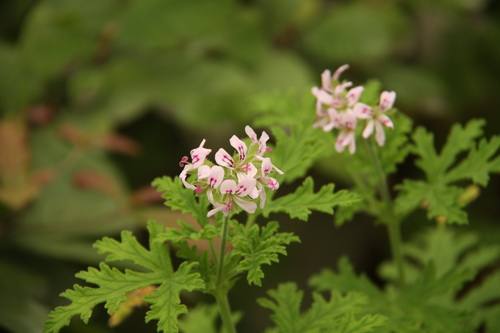
Mosquito-repellent geranium is the most suitable plant to grow for repelling mosquitoes in summer
When the hot summer arrives, the mosquitoes that disappeared in winter take the opportunity to come out and breed rampantly. Repelling them by hand is unrealistic, and using too many chemical products risks side effects. Is there a product that can both repel mosquitoes and be harmless to the body? Mosquito-repellent geranium can satisfy your wish. This type of mosquito-repellent geranium generally refers specifically to the lemon-scented variety
-
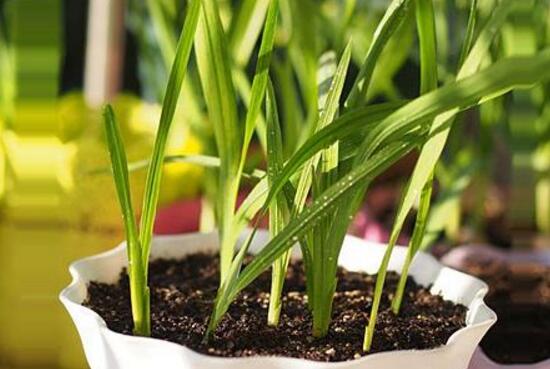
Freesia leaves turning yellow is mostly due to unsuitable light, improper water and fertilizer, and major environmental changes
The beauty of freesia should leave a deep impression on anyone who has seen it. Not only are its flowers beautiful, but its sword-like leaves are also very lovely. However, during cultivation, many flower lovers encounter yellowing leaves, which seriously affects the ornamental value of freesia. So what causes freesia leaves to turn yellow? On this
-
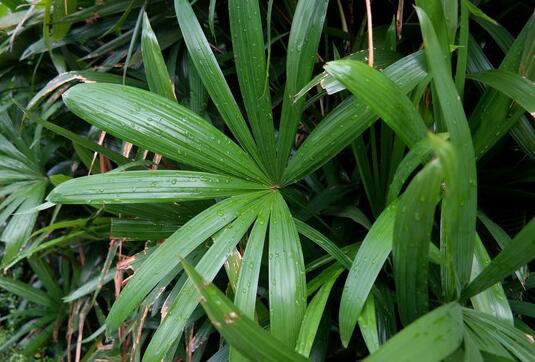
How to repot the broadleaf lady palm? Early March is the most suitable time for repotting
During the cultivation of the broadleaf lady palm, it needs to be repotted once every 2-3 years, which allows it to grow better. However, there are many things to pay attention to when it comes to repotting. So how do you repot a broadleaf lady palm? What are the precautions for repotting a broadleaf lady palm? Let us walk you through it below.
-
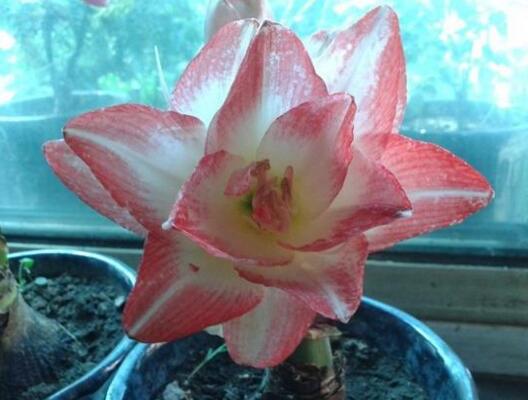
How to propagate amaryllis? Bulb division is the most suitable, and it flowers quickly
In terms of growth rate, the amaryllis is a relatively fast grower. Amaryllis plants that are 1-2 years old need to be considered for propagation. Because its root characteristics are distinctive, the propagation methods are also slightly different. So how do you propagate amaryllis? Let's take a look at amaryllis propagation methods
-

Hydroponic bonsai is most suitable for lazy people, easy to grow and worry-free
Hydroponic bonsai mainly involves fixing the plant rhizomes in a planting basket and allowing the root system to grow naturally into the plant nutrient solution. This nutrient solution can replace natural soil in providing the plant with water, nutrients, temperature and other growth factors, enabling the plant to grow normally and complete its entire life cycle
-
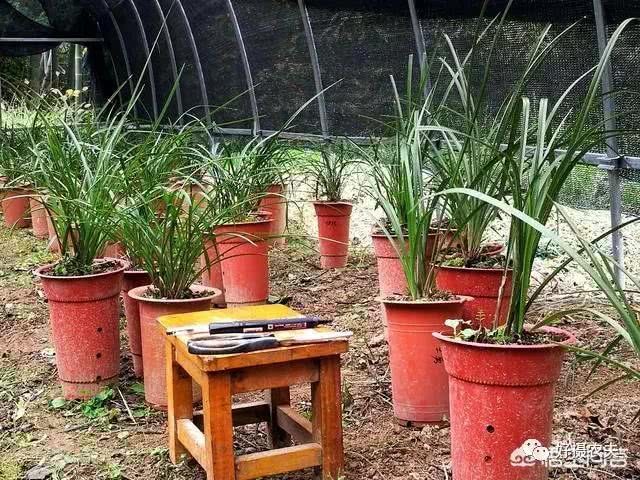
When is the most suitable time to move orchids indoors?
The Frost's Descent, the 18th of the 24 solar terms, is almost here in the blink of an eye, and friends who grow orchids outdoors are worried that their orchids will be damaged by the cold. They ask the farmer: when is the best time to move orchids indoors? In fact, moving orchids indoors too early has several drawbacks, and beginners at orchid growing must pay close attention. Orchids have...
条件筛选