-

When Is the Best Time to Plant Mint? A Detailed Guide to the Latest Planting Times
Mint is widely distributed in the temperate regions of the Northern Hemisphere. It is cultivated in many parts of China, often growing by rivers and in mountain wetlands. Its rhizomes spread underground. It is commonly found at elevations of 2100 m, but can also grow at elevations of 3500 m. It is an aromatic crop with special economic value.
-
Where are the main mint-producing regions? A look at the latest growing-area distribution
Mint is a perennial herbaceous plant that grows by rivers in mountain wilds and wetlands, with rhizomes spreading underground. It is an aromatic crop with special economic value, widely distributed in the temperate regions of the Northern Hemisphere. It is found throughout China, with the largest yields mainly from Jiangsu and Anhui provinces.
-
The Latest Mint Cultivation Techniques: A Detailed Tutorial
Mint, also known as wild mint, is a perennial herbaceous plant that mostly grows by wetlands and rivers in the mountains and wilds, with rhizomes creeping underground. The whole plant has a fresh, fragrant aroma, with opposite leaves, small pale purple flowers in a lipped shape, and after flowering it produces small dark purple-brown seeds. Mint prefers warm, humid environments with plenty of sunlight and
-
Mint (Lamiaceae) Cultivation Methods and Precautions, Plus Yellowing Leaf Treatment and Pruning
Mint, known locally as "yindancao," is a plant of the Lamiaceae family, also called wild mint and yexixiang. Long known as the "lazy person's herb," it can be said to be a very easy plant to grow, so what are the methods and precautions for growing mint? Let's take a look together. Mint, grows mostly
-
A Detailed Guide to Common Mint Seed Varieties and Seedling Methods
The mint plant is widely used in our daily lives; some is made into mint candy, and some is used to brew tea. There are many varieties of mint, so which ones are the most common? What are the seedling methods? Friends who want to know should read on below!
-
Complete Guide to Mint Varieties: Three Types of Mint You Must Remember Not to Eat
When it comes to mint, what do you think of? Mint candy or mint tea? In summer, there are especially many mosquitoes and insects. If you grow mint indoors, it also has a mosquito-repelling effect. In addition, you can pick some yourself to steep in water and drink. However, not all mint can be eaten.
-
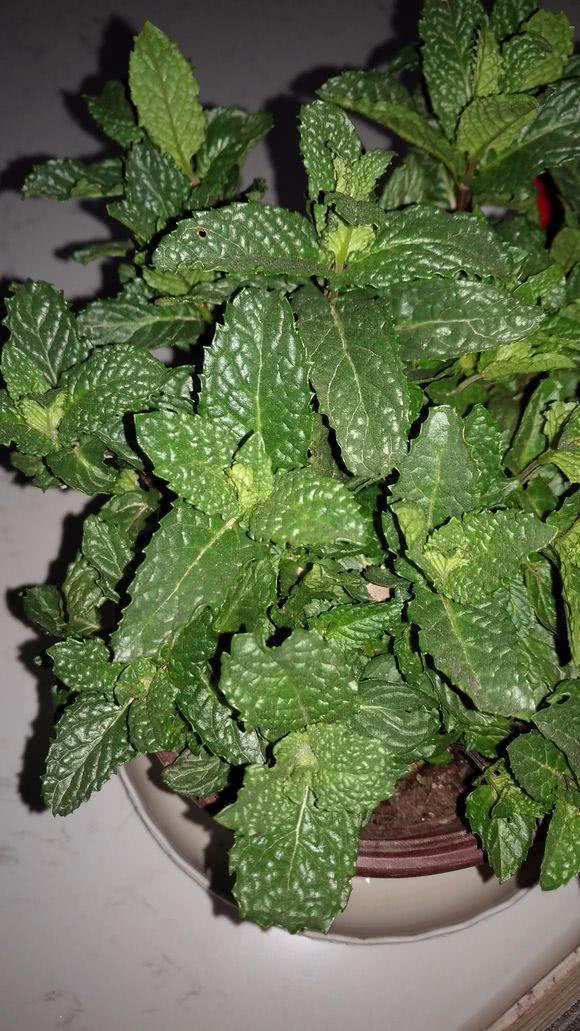
Mint is fragrant, and when the weather turns warm it is the perfect time to grow a pot
Get a pot of mint and experience what refreshing truly means. When it comes to mint, it gives people a cooling feeling - not ice, yet it feels like ice. But in fact, many people have never really eaten mint. What we commonly see...
-
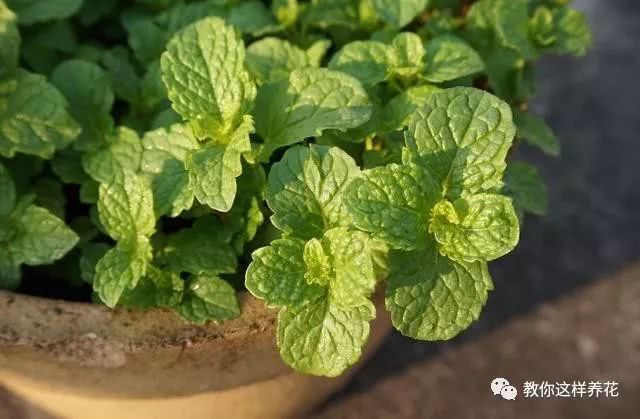
Mint has 5 major benefits for the human body; plant one pot now and you will have more than you can eat in a year
Mint tastes cool and refreshing, with both medicinal and culinary uses. Pungent in flavor and cool in nature, it can dispel wind and clear heat, refresh the head and eyes, and soothe the throat. It helps with common headaches and dizziness, red swollen eyes, and sore throat with hoarseness. Mint is delicious and easy to grow; plant one now...
-
Potted mint with fresh, edible mint leaves, a mosquito-repelling green plant suitable for placing in the office
Growing environment: Mint has a relatively strong ability to adapt to environmental conditions, and can grow in areas below 2100 m in altitude; it grows in damp places beside water, and can be found at altitudes up to 3500 m. Temperature: Mint has a relatively strong ability to adapt to temperature; its rhizomes overwinter and can withstand low temperatures of -15...
-
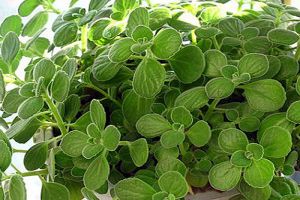
What is the difference between Cuban oregano and mint? A quick guide to tell them apart
They are indeed somewhat similar, but you can distinguish them by the following aspects. First is the genus: Cuban oregano belongs to the genus Plectranthus, while mint belongs to the genus Mentha. Next is appearance. Their leaf shapes differ: the former's leaves are ovate, while the latter's are lanceolate, or round-lanceolate; moreover, the former has fine hairs on its surface. Their flowers also differ: the former's flowers are mainly white, while the latter's are mainly light purple; and the former's flowers give off a fragrance. Their distribution areas are different too: the former mainly grows in Africa and Europe, while the latter is more widely distributed in China.
条件筛选