-

What are the five main causes of low yields in Gastrodia elata (tianma)
Recently, the editor has often received consultation calls from people saying that the Gastrodia elata they cultivate does not yield much, with some even below 3 kg/sq m. The reporter specifically consulted Cao Debing, a Gastrodia elata expert at the Provincial Academy of Agricultural Sciences, about these issues. According to him, based on the growth principles of Gastrodia elata, there are many causes of low yields. He listed the following five causes, and farmers can check their own production conditions to see whether any of the following situations apply: 1. Armillaria mellea has been subcultured many times, becoming aged and degenerated. Armillaria mellea is the only source of nutrition for Gastrodia elata, so the quality of Armillaria mellea directly has an irreversible impact on Gastrodia elata. In general production, it is required to use detoxified, isolated pure strains, or to use such strains to cultivate fungal material before planting, so as to ensure results; however, in order to reduce costs, some farmers either use ordinary strains, or use old fungal material as "starter", mixing in some new linden wood to let it "transfer the fungus". If a pure strain was used the first time, this method can be used the next year, but it must not exceed three years. Unlimited continuous "fungus transfer" will inevitably lead to strain degeneration and reduced vigor, causing reduced Gastrodia elata yields.
-

How to cultivate Chinese tallow tree for high yields? Key technical points explained
High-yield cultivation techniques for Chinese tallow tree
-
Hybrid wheat brings good harvests even to medium- and low-yield fields
Hybrid wheat brings good harvests even to medium- and low-yield fields
-

Veteran Agricultural Inputs Expert Talks About Spring Plowing: Hoping for Both Organic and High Yield
An Old Hand in Agricultural Inputs Talks About Spring: Hoping for Both Organic and High Yield
-
Small yellow ginger successfully grown in Shenmu, yields over ten thousand yuan per mu
Shenmu-grown small yellow ginger can bring in over ten thousand yuan per mu
-

-
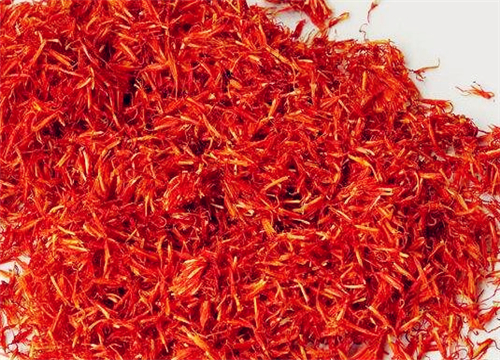
Dried safflower on the Chinese medicinal herb market costs about 50 yuan per jin; how much can you earn growing one mu, and what are the high-yield techniques
Safflower, also called safflower (Carthamus tinctorius), or Sichuan safflower. It has the function of invigorating blood and dissolving stasis, belongs to the commonly used bulk varieties on the Chinese medicinal herb market, and is one of the important good medicines in gynecology. Safflower products such as safflower oil and safflower seed oil have a very wide range of uses and are almost a must-have in every household. So how much does dried safflower cost per jin on the market? How much can you earn growing one mu
-
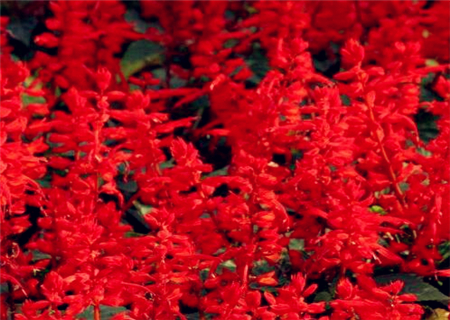
How much is safflower per jin? Best planting time and yield per mu analyzed
The main producing areas of the Chinese herb safflower are Henan, Hunan, Sichuan, **, Tibet and other places. It helps treat amenorrhea, dysmenorrhea, retention of lochia, chest impediment and heart pain, abdominal pain due to blood stasis, stabbing pain in the chest and hypochondrium, traumatic injuries, and sores with swelling and pain. So how much is safflower per jin? When is the best time to plant it? How much is the yield per mu?
-

-
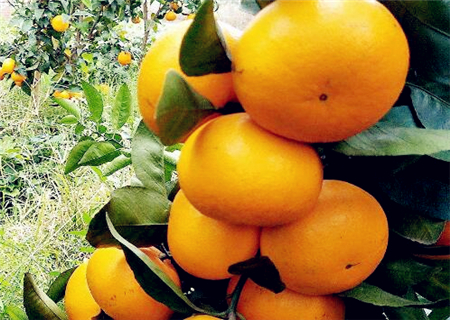
Where is Orah mandarin suitable for planting? Years to flowering, yield per mu and high-yield cultivation techniques
Orah mandarin mainly uses early autumn shoots as bearing mother branches, and the bearing shoots are mostly leafy flower shoots; generally the fruit-setting rate is higher in the middle and lower parts of the canopy. So where can Orah mandarin be planted? How many years until it flowers? How many kilograms per mu? Here we have compiled the high-yield cultivation techniques for you. Where Orah mandarin can be planted - there is a history of planting in both the north and the south
条件筛选