-
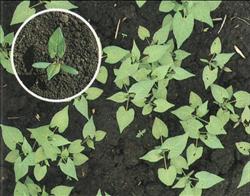
Buckwheat needs little fertilizer, and the key to fertilizing lies in technique
Buckwheat has a short growth period, grows rapidly, has slender stems, and a poorly developed root system, making it a crop that needs relatively little fertilizer. Generally, for every 100 kg of buckwheat grain produced, about 3.3 kg of nitrogen, 1.5 kg of phosphorus, and 4.3 kg of potassium need to be absorbed from the soil. The specific amount of fertilizer applied will vary depending on soil texture, cultivation conditions, climate characteristics, ...
-
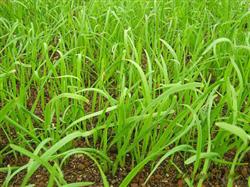
How to dry-sow Chinese chives? These little tips you need to know
1. Seed selection: According to the local cultivation method, cultivation purpose, climate conditions, consumption habits and market demand, choose excellent Chinese chive varieties that are marketable, resistant to pests and diseases, highly stress-resistant and of good commercial quality. Seed quality must meet the requirements of GB8079. Refuse to use genetically modified Chinese chive varieties. 2. Seed treatment: ...
-
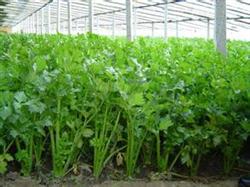
How to increase celery yield? A practical little trick
According to trials, the optimal concentration of gibberellin for promoting celery growth is 40 x 10 to the negative 6th power to 90 x 10 to the negative 6th power. Spray on the leaves 2 to 3 times during normal growth, with an interval of 2 weeks. After celery is sprayed with gibberellin solution, it promotes cell division and cell expansion. 8 hours after use, the nutrient absorption and conversion rate reaches...
-

A bedtime story for children about a little white rabbit who does not want to eat vegetables
It was the harvest season again. Mother Rabbit and Father Rabbit got ready early in the morning to go to the farm to gather vegetables. Mother Rabbit called from the doorway: "Nika, you really are a lazy little rabbit...
-
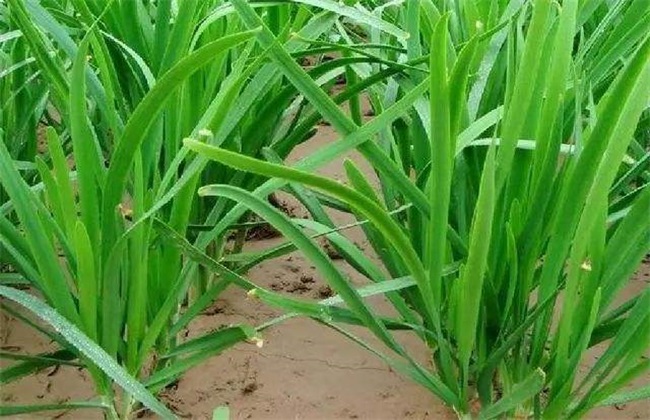
How to grow roots for garlic chives? These few little tips you should know
Little tips for growing roots of garlic chives
条件筛选