-

How to control thrips on Phalaenopsis orchids? With photos of leaf damage
I believe friends who love growing plants have all seen a bug called "thrips"; their little rear ends stick up, and when they fly they come in strings. For flowers, these little things are the most feared, because they are tiny and very good at hiding among plants. In terms of care, if you find thrips always flying around your home,
-

Leaf Symptoms of Red Spider Mite Damage on Phalaenopsis and How to Eliminate Them
I suppose any friend who has kept plants at home knows that the vast majority of plants more or less attract small insects or small spiders. In some cases this is because the care environment was not handled properly, leading to bacterial growth, and in other cases it is because neighbors keep too many plants and the little bugs inadvertently fly over. However, these little bugs
-

5 reasons for brown leaf edges on houseplants, and these plants in particular need extra attention
The leaves of your houseplants look fine, then suddenly the edges dry up and curl, as if they have been scorched by fire, which is really distressing to look at. In fact, brown leaf edges on houseplants are not random; most of the time it is because we overlooked some details in care. Here are the 5 most common reasons for brown leaf edges on houseplants. Fix the right cause and the leaves will gradually recover. Watering too "extreme" —
-
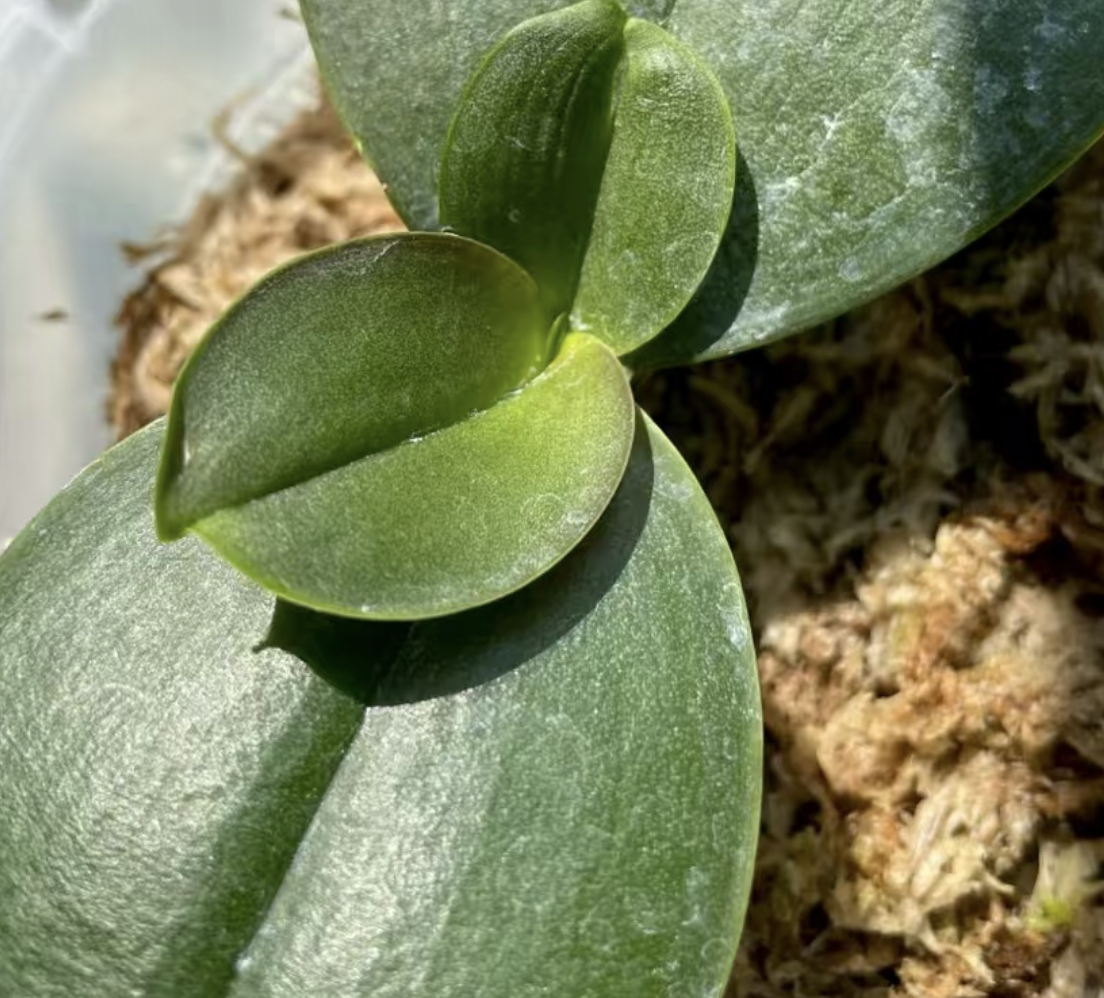
Why do Phalaenopsis orchids produce smaller new leaves? What are the possible reasons for abnormal new leaf growth?
To grow healthy Phalaenopsis orchids, you must first care for the roots, but it’s just as important to observe the condition of the leaves. Recently, a reader
-
Propagate These 4 Common Flowers from Cuttings in Autumn: Snip a Stem and Leaf, Stick It in Soil, and Easily Turn One Pot into Many
Autumn has suitable temperatures and just the right humidity, without the scorching sun of summer or the bitter cold of winter, making it practically the "golden season" for flower cuttings. For many easy-to-grow, hardy plants, no complicated steps are needed - just cut off a stem and leaf, stick it into the soil, and it will take root and grow into new life. The several common plants below are perfect for
-

What does "leaf-center spike" mean in Phalaenopsis orchids, and how should it be handled?
Fellow Phalaenopsis growers, have you ever suddenly noticed one day that the center of your plant seems to have been "locked" by something? The new leaf curls into a sharp little cone, stiffly stuck in the middle, and no matter what, it just won't unfurl? -- Congratulations, you may have encountered the legendary "leaf-center spike"! Don't let the name scare you; it's actually not that
-
Reasons for Yellow Leaves and Leaf Drop in Lemon Trees and How to Fix Them
Don't panic if your lemon tree has yellow leaves and is dropping leaves! Find the cause and treat it accordingly, and it will soon recover its vitality. Here are some super practical solutions that even beginners can handle! 1. Watering problems. 1. Waterlogged roots and root rot. Symptoms: lower leaves turn yellow first and fall off at the slightest touch, leaf tips turn brown, and the potting soil is sticky and wet. First aid: stop watering, take the plant out of the pot and cut off the rotten roots (black-brown, mushy
-

Which plants can be propagated by leaf cuttings alone?
When it comes to plants that can grow from just a single leaf, there are quite a few, especially the common houseplants we all know, which root so easily it's a pleasant surprise. Today let's talk about a few "leaf-cutting champions" that even beginners can handle with ease. Snake plant (Sansevieria): Just break off a healthy leaf from the snake plant, cut it into sections about 10 cm long, and remember to tell the front from the back (don't insert it upside down, or it won't grow). Let the cuts dry for two days until a thin scab forms. Then find a pot filled with sandy soil, insert the leaf sections diagonally about one third into the soil, water lightly and place in bright, indirect light. After about a month, white roots will quietly appear beneath the soil surface, and before long, small shoots will emerge beside them, identical to the mother leaf.
-

Reasons for Leaf Drop in Young Phalaenopsis Orchid Plants and How to Care for Them
Many flower lovers who grow Phalaenopsis orchids worry most about their young plants dropping leaves at the slightest provocation. When a perfectly good young plant loses its leaves, it is heartbreaking beyond words. In fact, young Phalaenopsis plants do not easily drop leaves under normal conditions. If they really do, then something must have gone wrong in some part of their care. Young Phalaenopsis plants are especially sensitive to moisture. They like humid
-
Causes of Phalaenopsis Leaf Rot and How to Treat It
Have you ever run into the frustrating problem of rotting leaves while growing Phalaenopsis orchids? A perfectly healthy plant suddenly develops soft, mushy leaves, and it is painful to watch. Today let's talk about the causes of Phalaenopsis leaf rot and how to solve it. 1. Causes of Leaf Rot Bacterial and fungal infections Bacterial infections are most likely when temperatures are high, humidity is high, and ventilation is poor.
条件筛选