-

Comprehensive Control Methods for Yellowing Garlic Leaf Tips in Autumn
Garlic planted in autumn is prone to leaf tip yellowing, which causes stunted stems and leaves, thin stalks, low yield and poor quality. 1. Causes 1. Low soil fertility and insufficient nutrient supply in the later stage. 2. Too high temperatures in the later stage and insufficient water supply. 3. Continuous cropping year after year and excessive density. 4. Severe damage from leaf spot, anthracnose, aphids, red spiders, etc. 2. Control measures 1. Choose loose sandy loam with relatively high fertility, and before planting apply farmyard manure at 4000 kg per 667 sq m.
-
How to prevent and control leaf blight in Schisandra chinensis? Practical tips shared
Leaf blight in Schisandra chinensis mostly occurs from late May to mid-July, with the lesions appearing scorched yellow. It initially starts at the leaf tip and gradually expands and spreads; in severe cases, the entire leaf turns yellow and dies. The disease is severe under high temperature and high humidity with poor ventilation. Control methods: spray with 400-500 times zineb and 1500 times thiophanate-methyl; it is best to spray once a week before the disease occurs, for 2-3 consecutive sprays, or use Bordeaux mixture sprayed once a day.
-
What to Do About Brown Leaf Tips on Chinese Cymbidium Leaves? A Detailed Guide to Prevention and Treatment
Orchid leaves grow vigorously, green and sturdy, with graceful leaf posture and spirited form, delighting the eye. If the leaf tips are scorched and the leaves withered, covered in spots like patches of psoriasis, even a rare and extraordinary flower will be greatly diminished. To grow good orchid leaves, I made improvements in the following six areas. 1. The potting soil must be breathable, well-draining, and moisture-retentive. It should have good crumb structure, soft and loose, like a sponge, with medium fertility; leaf mold from the mountains or peat soil is best. If you cannot get these in the city, mix your own nutrient soil. The formulas are: (1) 8 parts spent mushroom substrate, half a part of honeycomb coal ash,
-
How to Prevent Dry, Brown Leaf Tips on Spider Plants and Care Tips
When spider plants (Chlorophytum comosum) are grown in pots at home, they often develop dry leaf tips and gradually lose their glossy sheen. To keep a spider plant in good condition, take the following measures: Change the soil and repot. To keep the stems and leaves lush, change the soil and repot once every year in March. If the pot is fairly deep and the base fertilizer is sufficient, you can repot once every two years. When repotting, knock the plant out of the pot, cut off the dead and rotten roots and excess rootlets, replace with fresh humus-rich potting soil, and apply pieces of livestock hoof and horn or decomposed cake fertilizer as a base fertilizer. After planting, place it
-
How to prevent spider plant leaf tips from withering? Three methods to teach you
Spider plant (Chlorophytum comosum), evergreen all year round, suspended indoors, can be called an "aerial flower." The stolons it sends out from the leaf axils produce many small plantlets with roots, hanging down along the pot, very elegant. Spider plant is also called an indoor air "purifier"; it can absorb carbon monoxide, nitrogen oxides and other volatile gases, purifying the room's air and benefiting human health. However, spider plant leaf tips often wither easily, affecting its appearance. Therefore, prevention and treatment must be carried out according to the situation. 1. Always pay attention to watering and misting, keeping the pot
-
What causes blackened leaf tips and root rot in Chinese orchids (Cymbidium)?
1. Excessive temperature and direct sunlight easily scorch the leaf tips. 2. The potting medium is too rich and stays wet without drying out; in mild cases this causes poor root development and blocked nutrient uptake, making the leaf tips prone to blackening, and in severe cases it causes root rot and death of the orchid plant. 3. Pests. There is a pest similar to aphids that congregates in the potting soil and lives on the orchid roots; it is very small and usually hard to spot, and although its direct damage is not great, it easily infects the orchid roots with disease, causing root rot.
-
Why do spider plant leaf tips turn brown and black?
Why do the leaf tips of potted spider plants (Chlorophytum comosum) turn black, dry up and shrivel? How can this be prevented? When potted spider plants show withered, blackened leaf tips, from a cultivation standpoint there may be the following causes. First, dry air, overly intense sunlight and excessively high temperatures. This situation mainly occurs in summer and autumn, because spider plants like to grow in humid, semi-shaded environments; once the air is too dry, the sunlight is unobstructed, and on top of that the temperature rises above 30°C, it is very easy to cause the leaf
-
What to Do When Spider Plant Leaf Tips Turn Brown and Dry? A Complete Guide to Prevention and Treatment
Spider plant (Chlorophytum comosum) has fresh green leaves shaped like orchid leaves, fresh and elegant, and is a common and beloved household foliage plant. It also has the unique effect of purifying indoor air, bringing people even greater benefits, which is one of the important reasons people like to grow it indoors. Spider plant is called the "air plant," and it truly lives up to the name: those stolons extending from the leaf axils, both firm and soft, hang down and outward from the rim of the pot, reaching several feet in length, with each stolon tip bearing new plantlets of various sizes, fresh green as if washed, gently swaying in the wind. If
-
Why do spider plant leaf tips wither and turn black
Why do the leaf tips of potted spider plants (Chlorophytum comosum) turn black, dry up and shrivel? How can this be prevented? Looking at the blackening and withering of potted spider plant leaves from a cultivation perspective, there may be several reasons. First, dry air, overly intense sunlight and excessively high temperatures. This situation mainly occurs in summer and autumn, because spider plants like to grow in humid, semi-shaded environments; once the air is too dry and the sunlight is completely unobstructed, and if the temperature rises above 30°C, it is very easy to cause the leaf
-
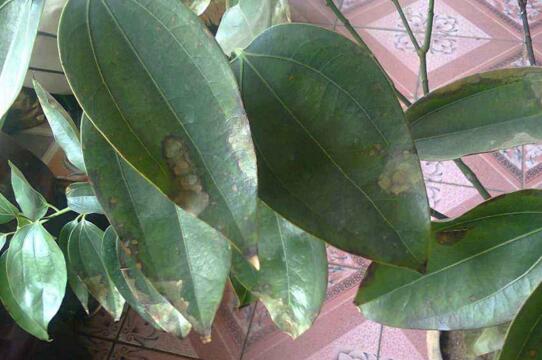
What to do when the leaf tips of the Radermachera sinica turn black? Respond to waterlogging and lack of light this way
The leaves of the Radermachera sinica are famous for being large; they can grow to 10-22 cm and also have a metallic sheen, so they are highly ornamental whether placed indoors or outdoors. But some people encounter blackened, moldy leaves, which seriously affects the tree's appearance.
条件筛选