-

China takes multiple measures to protect the kidney of the Earth, wetland protection rate rises
River breeze, water birds, reeds, ripples. At the Harbin Baiyupao Wetland, dyed with a stretch of green, photography enthusiast Liu Lingxu used his SLR camera to record the picturesque scenery along the Songhua River. Due to excessive human interference, Baiyupao was once left with only more than 100 hectares of wetland.
-
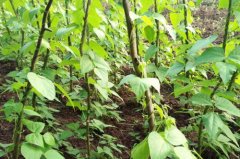
Kidney bean planting and field management methods, what soil pH value is most suitable
The kidney bean plant is relatively fond of light and warmth, and its cultivation is also relatively simple. So do you know how to plant kidney beans? Would you like to learn about it? Then take a look! Kidney beans like warmth and cannot tolerate high temperatures or frost. When planting, the seeds are suitable for germination
-
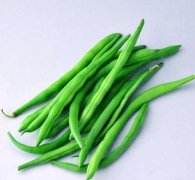
What nutrients do kidney beans contain? An analysis of their nutritional value and protein content
The kidney bean is a common bean (Phaseolus vulgaris), a legume native to Central America and Mexico. The common bean is an important food crop and a major source of protein worldwide. Used in various traditional dishes, kidney beans are usually cooked thoroughly
-
A Detailed Guide to the Alternative Names of Kidney Beans and Planting Precautions
The kidney bean is a common legume vegetable; its tender pods or seeds can be used as a vegetable, and can also be processed into cans or eaten directly pickled, frozen, or dried. The kidney bean originated in Mexico and Argentina in the Americas, and is now cultivated in many countries. It has relatively strong adaptability to the environment and prefers short-day conditions.
-
When to Plant Autumn Kidney Beans: A Detailed Guide to Planting Time and Methods
Summary: The planting time for autumn kidney beans is from late July to October, with some variation in planting time across different regions. Planting methods for autumn kidney beans: select high-quality varieties with strong disease resistance and relatively high heat tolerance, then plant according to the local climate. They can be planted in
-
A Detailed Guide to Kidney Bean Planting Methods and Technical Points
Summary Land preparation and fertilizing: After tilling the soil, form ridges and ditches at a spacing of about 20cm, and scatter a small amount of livestock manure or dry grass and wood in the ditches. Sowing and raising seedlings: The seeds need to be sun-dried for 2-3 days, then soaked for disinfection before sowing; methods such as drilling, dibbling, and transplanting can be used. Temperature
-
Symptoms, Identification and Control of Kidney Bean Wilt Disease
The kidney bean is a warm-loving plant. The suitable temperature for growth is 15-25°C, and the suitable temperature for flowering and pod setting is 20-25°C. Low temperatures below 10°C or high temperatures above 30°C will affect growth and normal pollination and pod setting. It is a short-day plant, but most varieties are not strict about day length, and the cultivation
-
Symptom Identification and Control Methods for Powdery Mildew on Kidney Beans
Kidney beans are suitable for cultivation in temperate and tropical high-altitude areas. They are relatively cold-tolerant and light-loving, belonging to cross-pollinated common beans and short-day crops. Kidney beans have a well-developed root system, green leaves that are alternate and heart-shaped, and flowers that are papilionaceous, arranged in racemes, with pedicels 15-18 cm long. Growth of kidney beans
-
Detailed Explanation of Key Points for High-Yield Cultivation Techniques of Kidney Beans
The scientific name of the kidney bean is Phaseolus vulgaris, of the genus Phaseolus in the family Fabaceae. The kidney bean originated in Mexico and Argentina in the Americas, and was only introduced and cultivated in China at the end of the 16th century. Fresh kidney beans are rich in vitamin C. In terms of nutritional composition, the protein content is higher than that of chicken, and the calcium content is more than
-
A Detailed Guide to Kidney Bean Cultivation Techniques, Easy for Beginners Too
Summary Seed selection: choose seeds that are large and plump, free of pests, diseases and damage. Land preparation: plow in advance to improve soil fertility and apply sufficient base fertilizer. Sowing: sow from late April to early May, with a sowing depth of 10-15cm. Close planting: follow the principle of sparse sowing in fertile land and dense planting in lean land, with a seeding rate per mu of generally 8-10kg. Management: thin and finalize seedlings, timely weed, earth up, level the ridges, insert poles, build trellises and pinch off the growing tips, and actively prevent pests and diseases. Harvesting: pick each batch as it matures.
条件筛选