-

How to Identify Inferior Cooking Oil? Key Points for Quality Control from Cultivation to Purchase
Inferior cooking oil harms health. This article systematically introduces methods for identifying inferior cooking oil and key safety control points, from oilseed cultivation, harvest and storage to oil pressing and purchasing, helping growers and consumers safeguard the quality of every drop of oil.
-
Key Points for Buying and Using a Used White Rice Grading Machine
How do you choose a used white rice grading machine? This article explains the working principle of white rice grading machines, key points for inspecting used equipment, and daily use and maintenance tips, helping rice processors pick the right cleaning and grading equipment and avoid wasting money.
-
How to Choose a Fruit and Vegetable Sorting Machine? Principles and Maintenance Points Explained
A fruit sorting machine is a commonly used primary processing device for grading and sorting fruits and vegetables. This article introduces the working principles, purchasing points, and maintenance methods of fruit sorting machines, helping fruit growers and cooperatives improve sorting efficiency, so fruit grading is more consistent and sells at a better price.
-
Application and Purchasing Points of Solar Insecticidal Lamps in Facility Agriculture
Solar insecticidal lamps are a good helper for green prevention and control in facility agriculture. This article explains their light-lure and electric-shock insect-killing principle, key points for installation and use, and purchasing considerations, helping growers spray less pesticide and control pests scientifically.
-
How to Choose an Excavator for Farmland Capital Construction? Key Parameters and Operating Points Explained
Excavators are the mainstay machinery of farmland capital construction. This article explains how to read the key parameters of farmland excavators, purchasing points and operating precautions, helping farmers choose a machine according to their land and work in a standardised way, with a note on agricultural machinery subsidy policies.
-
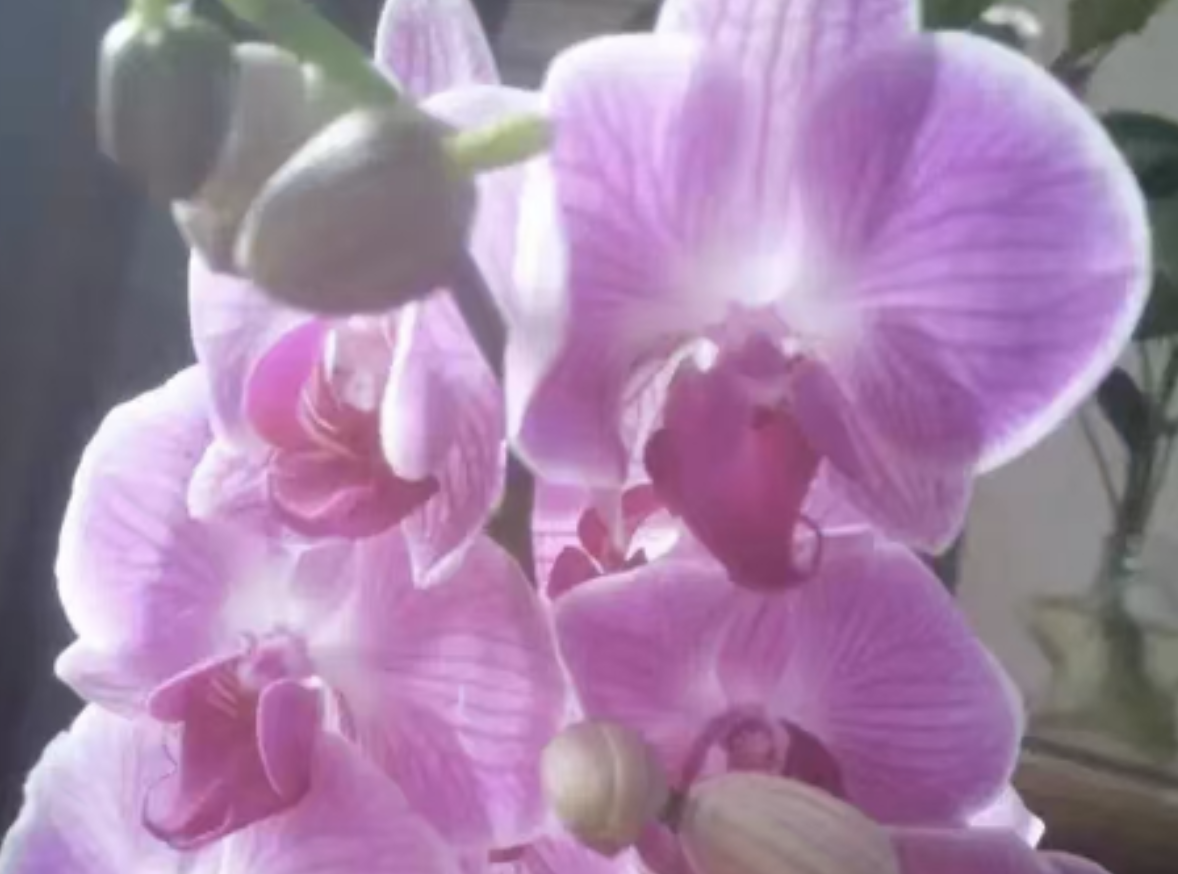
How should you handle it if your orchid has rotten roots to save it?
When it comes to Phalaenopsis orchids, they’re a favorite for many plant lovers, known for their elegant and ethereal flowers. However, one common problem is
-

Is a wrinkled aerial root on a Phalaenopsis orchid a sign it has gone bad? What causes aerial roots on Phalaenopsis orchids to wrinkle?
Aerial roots that were once plump and white suddenly turn wrinkled, as if they have shrunk. "Is this root bad? Is my Phalaenopsis orchid about to die?" A wrinkled aerial root on a Phalaenopsis orchid is not necessarily a bad thing; the key is to figure out "why it is wrinkled." This plant is quite peculiar: its aerial roots are not only used to absorb water and
-

What does it mean when a Phalaenopsis orchid has a flower spike? What is the difference from one without a flower spike?
During the care of Phalaenopsis orchids, the appearance of a flower spike often fills people with anticipation and surprise. So what exactly does a Phalaenopsis orchid with a flower spike mean? And how does it differ from a Phalaenopsis orchid without a flower spike? The flower spike of a Phalaenopsis orchid is not an ordinary leaf, but a slender stem growing from the center of the plant or from a leaf axil.
-

What are the signs that a Phalaenopsis orchid has no aerial roots? Learn how to tell whether it has aerial roots
The Phalaenopsis orchid is a highly favored ornamental flower, and its distinctive aerial roots are not only an important morphological feature but also a key indicator of healthy plant growth. Knowing how to judge whether a Phalaenopsis orchid has aerial roots, and what it looks like when aerial roots are lacking, is crucial for growers. How to judge whether a Phalaenopsis orchid has aerial roots
-

How to keep a Phalaenopsis alive when it has few roots? Care tips for bare-root seedlings
If you have just gotten a bare-root Phalaenopsis, don't worry. Master these three root-growing methods, and even beginners can grow a mass of roots. 1. Soaking method 1. On the first day, put clean water in a container and soak the roots completely for 12-24 hours. 2. On the second day, pour out the water and gently wipe the moisture from the surface of the roots with a paper towel. Notes: In summer, let it dry in a ventilated place for 5-7 days, and the roots
条件筛选