-
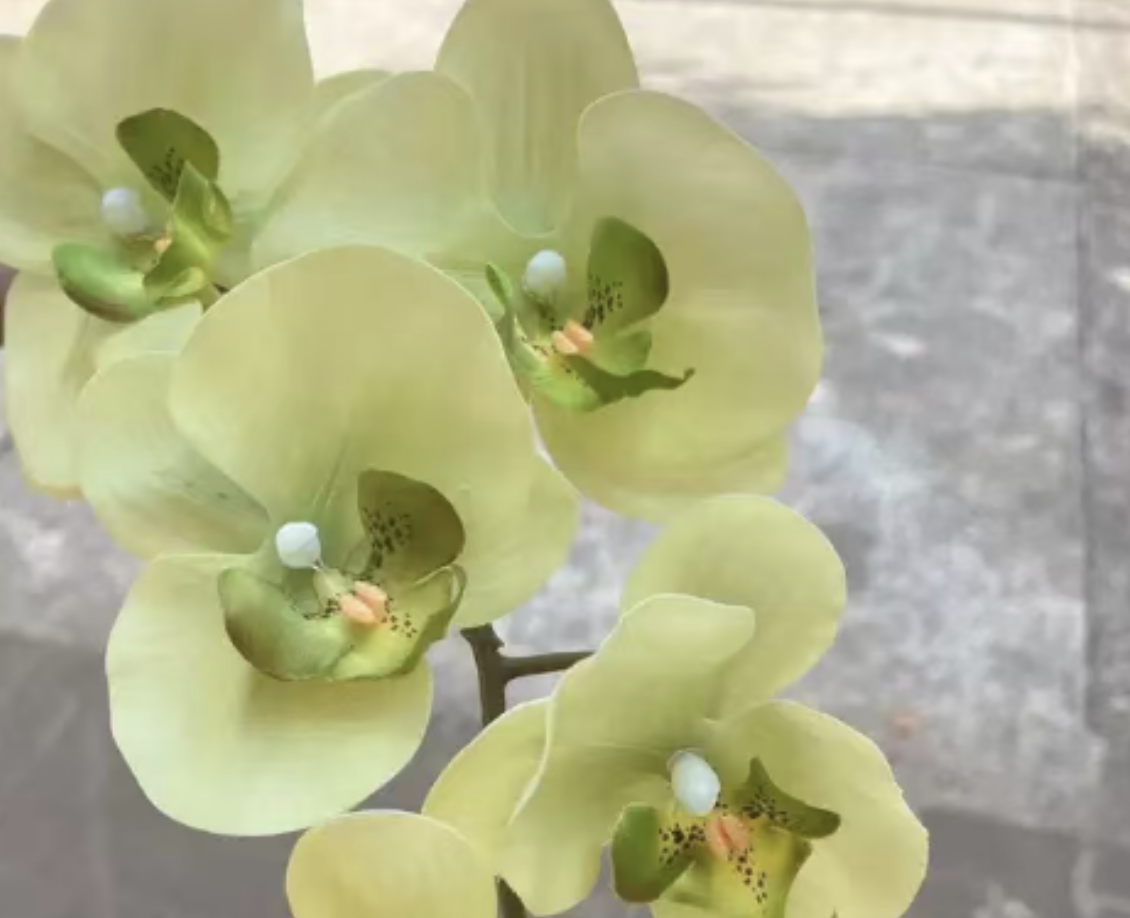
Is growing Phalaenopsis orchids in the North different from the South?
Many people say that Phalaenopsis orchids are delicate and hard to care for, but in fact, they can thrive anywhere! However, growing them in the North and the
-
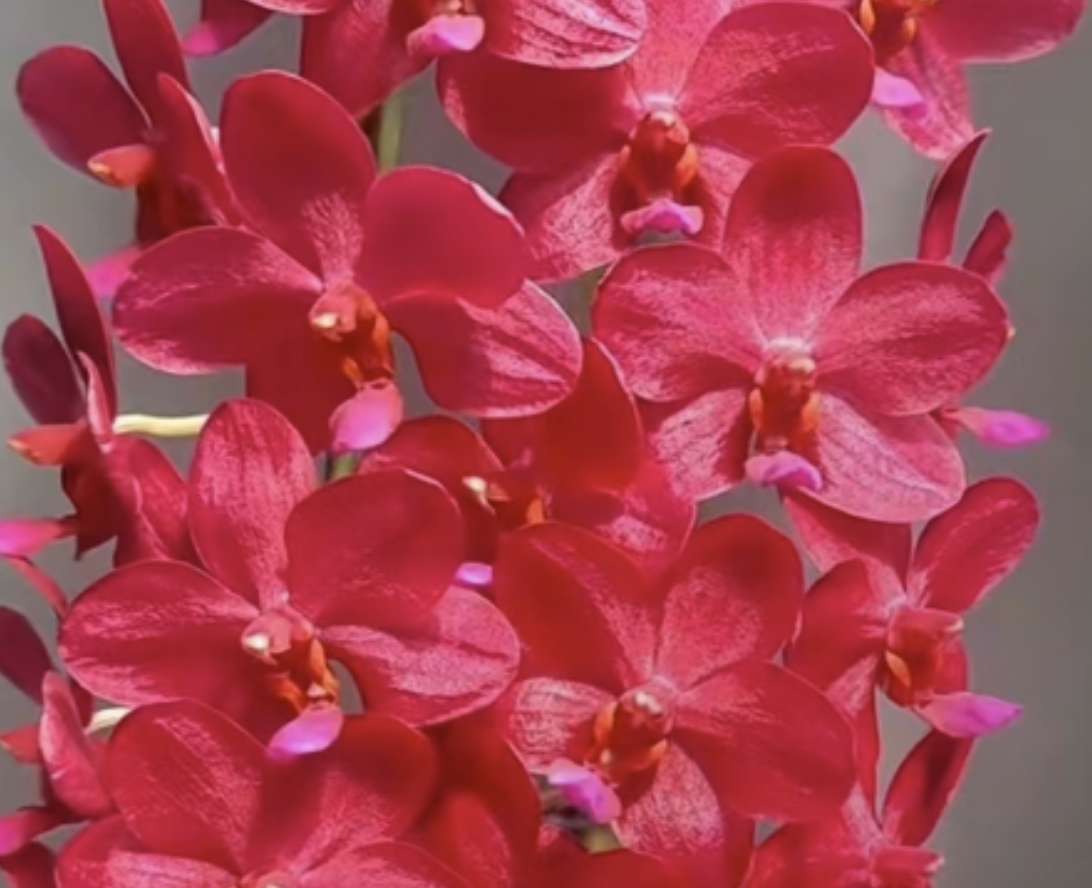
Growing Phalaenopsis Orchids from Seeds at Home — Essential Care Tips
Honestly, it’s no easy task. Compared with buying ready-made seedlings, home seed propagation requires much more effort, and the smallest mistake can mean
-

Will Phalaenopsis die from high temperature and high humidity? Clever little tips for dealing with too much humidity
It is well known that growing flowers and plants depends on the weather, especially for the relatively delicate "Phalaenopsis" (moth orchid). Besides adding shade tools in summer, you also need to move it to a relatively cool spot, and it cannot be placed outside the balcony, because after hot weather comes more rain, and at this time high temperature + high humidity kills quite a few
-
Phalaenopsis hydroponic acclimation tips and precautions for removing from pot and washing roots
Many gardening enthusiasts want to try hydroponic Phalaenopsis, thinking it is clean and easy to care for, but hydroponics is not simply moving a soil-grown plant into water. The roots must first adapt to the water environment, which is called "acclimation." This process is not hard to grasp; the key lies in the steps of removing from the pot and washing the roots, pruning and disinfecting, and water control adaptation. Done well, the Phalaenopsis can
-

Don't panic if your Phalaenopsis orchid gets sun-scorched and wilts! This rescue method works better than randomly watering. How do you save a Phalaenopsis orchid that has wilted from sun exposure? First do 2 emergency steps, then do 3 things.
Everyone knows Phalaenopsis orchids like indirect light, but if you accidentally let them get too much sun, the leaves wilt and curl, and the edges even turn scorched black. It really hurts to see! Actually, after sunburn, don't panic. With timely emergency care, they can still be saved. The key is to focus on "shade, rehydration, and controlling the environment." Just like a person with sunburn needs to get out of the sun and apply moisturizer, Phalaenopsis orchids also need to be treated accordingly.
-

What should you do if a Phalaenopsis (moth orchid) has some roots rotted from overwatering?
The most headache-inducing thing about Phalaenopsis is watering. Many flower lovers have stepped in the same pit: afraid it will get thirsty, they pour water into the pot every few days, and as a result a perfectly good orchid ends up with rotted roots from watering. In fact, Phalaenopsis roots really do not love drinking that much water; too much water will definitely cause root rot, and it rots fast - three
-

What are the functions and benefits of Phalaenopsis leaves? You can also judge its health from the leaves
I believe everyone is happy to see their plants blooming abundantly, and to achieve a full bloom, you must of course learn each plant's preferences, so you can tailor care to the plant and grow it better. In recent years, the popular "Phalaenopsis" has become a hot-selling flower, and when it comes to care, a heart that gets to the bottom of things is essential. Today we will focus on
-

What does it mean when a Phalaenopsis orchid has a flower spike? What is the difference from one without a flower spike?
During the care of Phalaenopsis orchids, the appearance of a flower spike often fills people with anticipation and surprise. So what exactly does a Phalaenopsis orchid with a flower spike mean? And how does it differ from a Phalaenopsis orchid without a flower spike? The flower spike of a Phalaenopsis orchid is not an ordinary leaf, but a slender stem growing from the center of the plant or from a leaf axil.
-

How to handle a Phalaenopsis right after removing it from its pot? Does it need to be sun-dried for a few days?
Friends who grow Phalaenopsis have surely encountered the time when they need to remove it from its pot. How to handle it after repotting, whether it needs sun-drying, and how long to dry it, these questions are all too common! After a Phalaenopsis is removed from its pot, never put it directly in the sun! Its roots are not as tough as those of other plants. They are that kind of white, tender, translucent aerial root. If placed directly in the sun, the water
-

How do Phalaenopsis orchids absorb nutrients, and what fertilizer should be used when the leaves turn yellow from malnutrition?
Many flower lovers who grow Phalaenopsis orchids notice yellowing leaves and few flowers, and their first reaction is malnutrition! But have you ever thought about it: this plant doesn't grow in soil, and it isn't watered any less than usual, so where exactly does it absorb nutrients from? Phalaenopsis orchids are quite different from ordinary plants! The roots of Phalaenopsis have an amazing ability - aerial roots
条件筛选