-
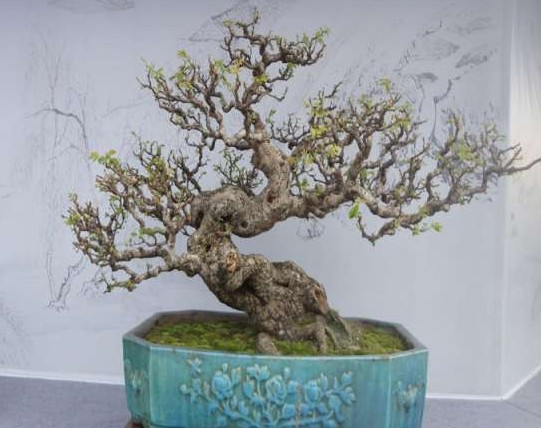
Yang-style bonsai technique inscribed on the national intangible cultural heritage list
Yang-style bonsai is one of the five major schools of Chinese tree-stump bonsai. It has a long history and the most distinctive characteristics. Compared with the Sichuan, Suzhou, Lingnan and Shanghai schools, its ancient pruning-and-binding technique is also the most completely preserved. In June 2008, Yang-style bonsai technique was inscribed on the national intangible cultural heritage list
-

Bee-chasing experts keep venomous wasps at home, and it has even become an intangible cultural heritage item
Mysterious "bee-chasing experts" keep venomous wasps at home, and it has become an intangible cultural heritage item
-
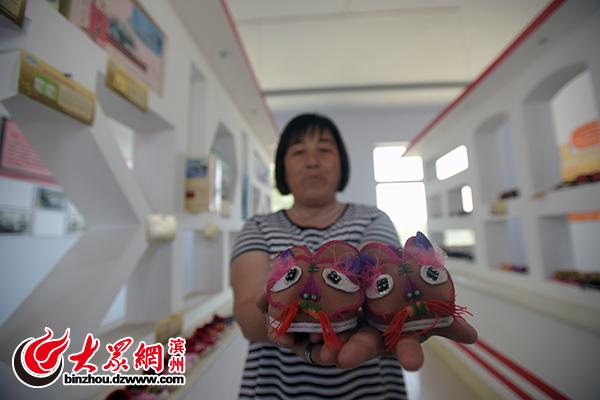
Intangible cultural heritage inheritor takes on apprentices and builds a cooperative to boost farmers' incomes and help them prosper
Taking on apprentices and building a cooperative: an intangible cultural heritage inheritor helps farmers increase their incomes and prosper
-
An Analysis of the Spatial Relationship Between Tangible and Intangible Scenes in Bonsai
"Tangible scene" refers to the landscape formed by trees, stones, soil, water, grass, moss and their combinations arranged in a pot; it is the real scene within the spatial bounds of the pot. "Intangible scene" lies beyond the "tangible scene", that is, the artistic realm where "the scene is outside the pot". The space of the tangible scene is limited, while the space of the intangible scene is unlimited. The sayings "seeing the great in the small", "a thousand miles within a foot", "one peak suggests Mount Tai soaring a thousand xun, one spoonful suggests rivers spanning ten thousand li" and so on refer precisely to the two kinds of spatial relationship expressed by bonsai. "Small", "a foot"
-

Huizhou-style bonsai is an intangible cultural heritage of Anhui.
Huizhou-style bonsai began in the Southern Song Dynasty and flourished in the Ming and Qing dynasties. It has long enjoyed a high reputation and is one of the traditional schools of Chinese bonsai, with a history of more than one thousand years. It was one of the main schools of bonsai in China at that time. Huizhou-style bonsai originated early, has a long history, and its shaping techniques...
-
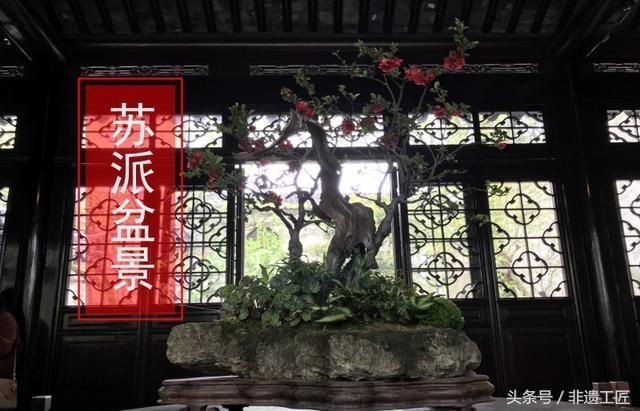
Suzhou-style Bonsai Appreciation: 2018 Masterpieces by Intangible Cultural Heritage Artisans of the Lingering Garden and the Humble Administrator's Garden
Suzhou bonsai falls mainly into two major categories. One is tree-stump bonsai, also known as potted bonsai, and it is in this category that the characteristics of Suzhou bonsai are most strikingly displayed; the other is landscape-stone bonsai, also known as mountain-and-water bonsai or rock bonsai, from which...
-
-
Ji'an Taihe Radish Selected for the Intangible Cultural Heritage List
Recently, the reporter learned from relevant departments that Ji'an Taihe radish has been listed as intangible cultural heritage. It is understood that the Taihe pickles produced by Ji'an Taihe Fulin Sauce Industry Co., Ltd. have a history of more than 500 years; with their unique craftsmanship and delicious taste, they are favored by diners in the Jiangnan region
条件筛选