-

Can a Phalaenopsis orchid still survive if all its roots have rotted? Here's how to coax it into growing new roots
I believe friends who have kept Phalaenopsis orchids for the first time have all been through root rot, and generally speaking, even with a strenuous rescue effort, for less experienced growers the result is mostly in vain. Here I'd like to share one of the fastest root-inducing methods after root rot, namely the "inversion method." How exactly do you do it? Let's take a look below. "Inver
-

Just got a Phalaenopsis? Here's how to tell if it's good or bad - beginners only need these 5 points
Recently, beginner flower lovers have been complaining that the Phalaenopsis they just brought home from the flower market wilted after only a few days. In fact, the problem most likely started at the "seedling selection" stage! Today let's talk about how to quickly judge whether a Phalaenopsis you just got is good or bad. Beginners who follow along can basically avoid 80% of the pitfalls. First, look at the most obvious thing - the state of the flowers
-
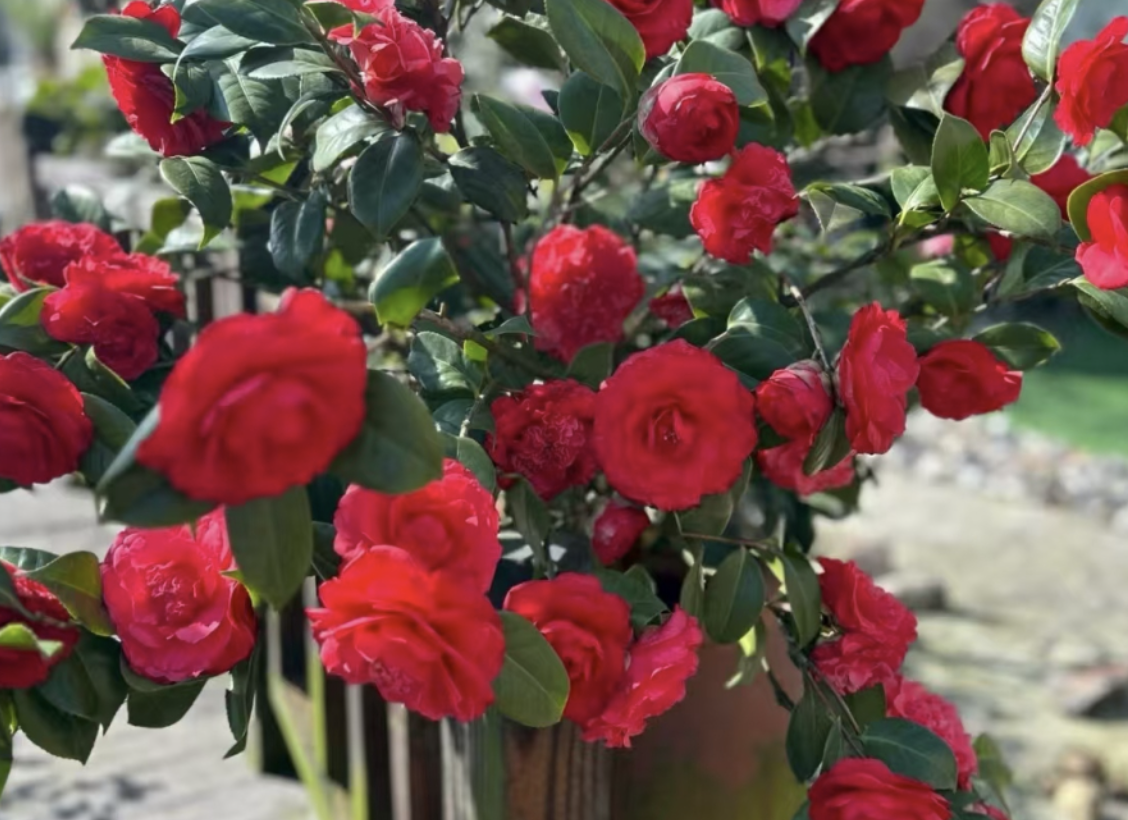
Can fragrant camellias be grown indoors? What hybrid varieties of camellias are there?
As we all know, China produces many famous flowers, including traditional varieties such as camellias and peonies that are renowned worldwide. Because of their
-

Toss Muskmelon Seeds into a Flower Pot, and a Few Months Later There Are So Many Fruits You Can't Eat Them All
A netizen was eating muskmelon in summer and casually tossed the seeds she spat out into an old flower pot on the balcony, paying them no further attention. A few months later, that flower pot was actually covered in vines and hung with cluster after cluster of muskmelons. The netizen exclaimed, "If I'd known, I would have planted more back then. Now I can't even finish them all and have to give them away to the neighbors!" At first, the netizen didn't take it seriously at all.
-
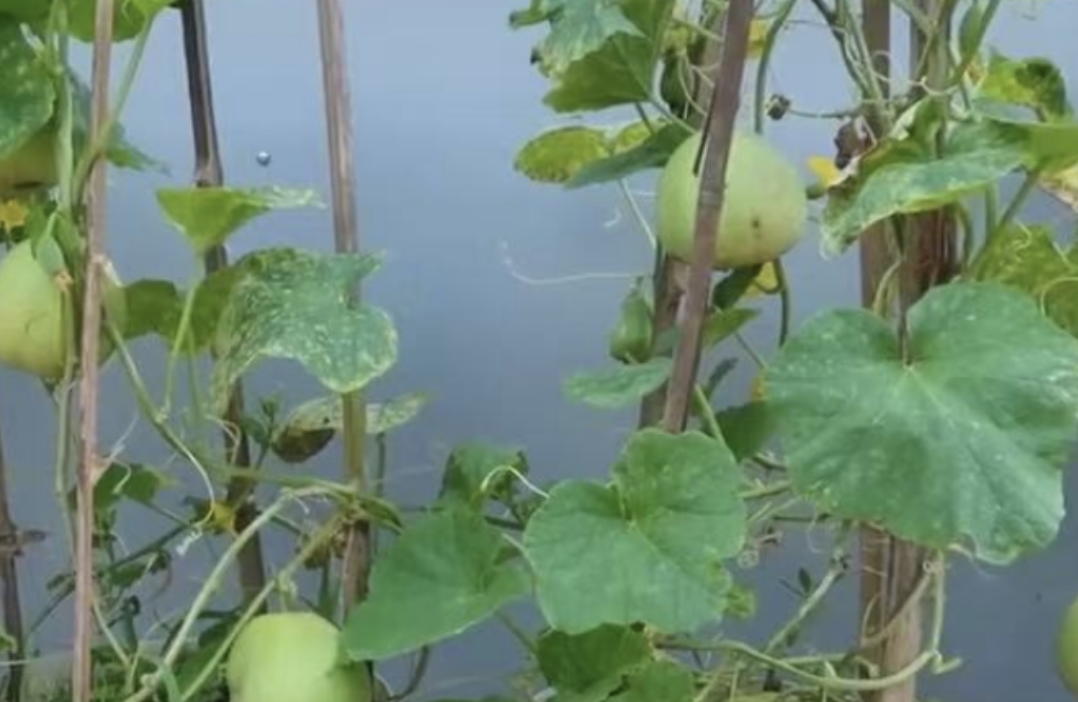
Casually threw melon seeds into the flower pot, and a few months later, it was full of fruit! Can't eat them all, there's just too many!
A netizen casually threw melon seeds into an old flower pot on their balcony after eating melon in the summer. They didn’t think much of it, but a few months
-

Why is there foam padding at the bottom of a Phalaenopsis pot, and should it be removed?
Phalaenopsis orchids have become internet-famous in recent years thanks to their elegant flowers. Walking through the flower market, everyone eagerly rushes to buy them and take them home. After buying one, many observant flower lovers notice that there is some white foam padded at the bottom of the Phalaenopsis pot. What is this foam for? Should it be taken out during care? For beginners, at the bottom of a Phalaenopsis pot
-
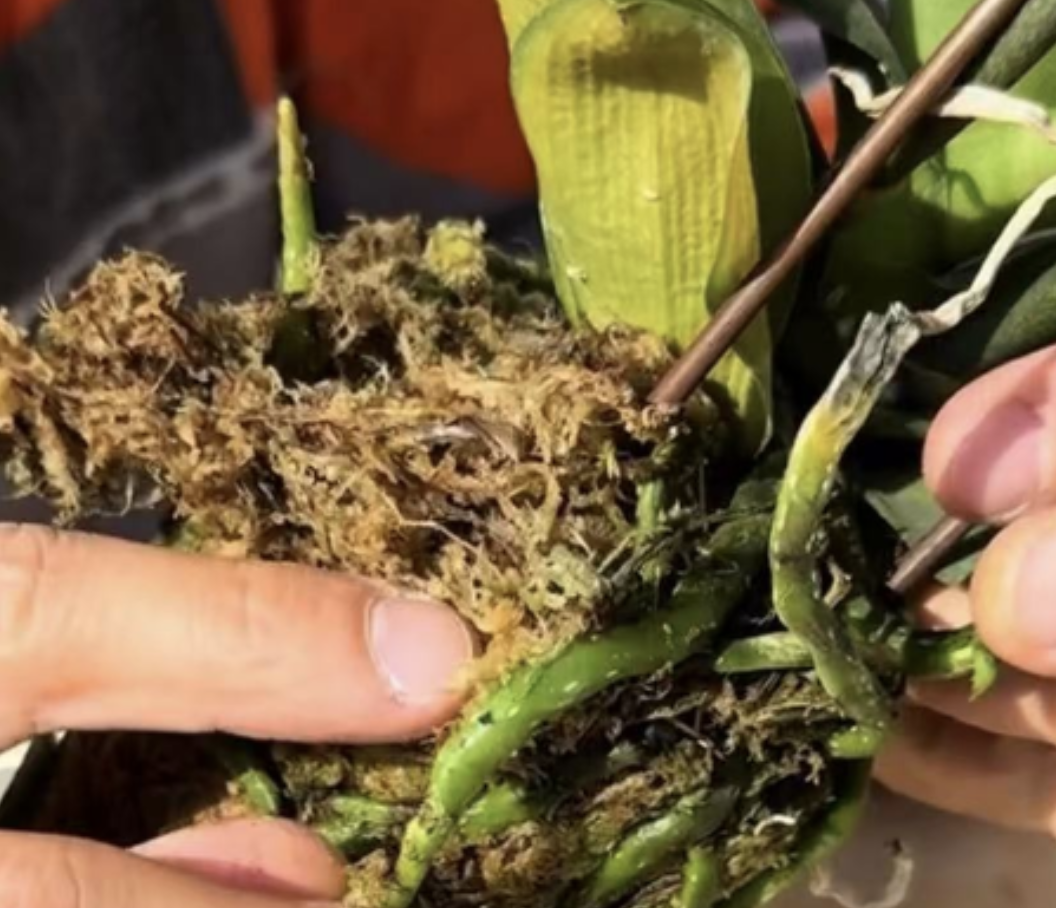
Bought a New Phalaenopsis Orchid? Here’s How Long to Keep It in the Store Pot!
The Phalaenopsis orchid you just brought home looks breathtaking—vivid blooms, glossy leaves, full of life. But then your eyes fall on that plain plastic
-
When a Phalaenopsis enters its growing period, there are 3 signs; with proper care it grows quickly
The most important thing in growing Phalaenopsis is to figure out its "growth rhythm" - if you cannot tell whether it has entered the growing period, and you water and fertilize purely by feel, it is very easy to stunt the plant or rot it. In fact, the growing period of Phalaenopsis has clear signals; as long as you observe its temperature and light needs and the plant's growth characteristics, then match them with the corresponding care, you can make its leaves
-
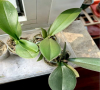
What experience is there in caring for Phalaenopsis orchids? How to care for and manage them after cutting the spike
Flowers bloom and fade, and post-bloom care of Phalaenopsis orchids becomes the top priority. For beginners, what care points should we master after cutting the spike? After cutting the spike of a Phalaenopsis orchid, you need to do a good job with light, watering, temperature, fertilizing and other steps. In detail, light is the plant's "source of energy," and what orchids like is that bright
-
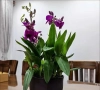
Is there any hope for a wilted Phalaenopsis? Let me help you find the cause and save your beloved orchid
You carefully nurtured your Phalaenopsis, and suddenly the leaves are soft and droopy, the buds and flowers are wilting and hanging down - it hurts just to look at it. What on earth is going on? Is there any hope? Actually, a drooping Phalaenopsis isn't that scary. The key is to first identify the cause and then treat it. Below, the common problems and solutions are explained clearly to help you save your beloved orchid. A drooping Phalaenopsis may look like it's "lacking energy
条件筛选