-

Beginner's Guide to Sowing Herbaceous Plants: Improving Germination Rates and Solving Common Sowing and Growing Problems
Herbaceous plants, as the name suggests, are plants with soft stems that do not become woody. They come in a wide variety, from delicate flowers to spice plants and medicinal herbs, there is everything you could want. For gardening beginners, growing herbaceous plants is an excellent entry-level choice. Below are some tips for improving the germination rate of herbaceous plants
-
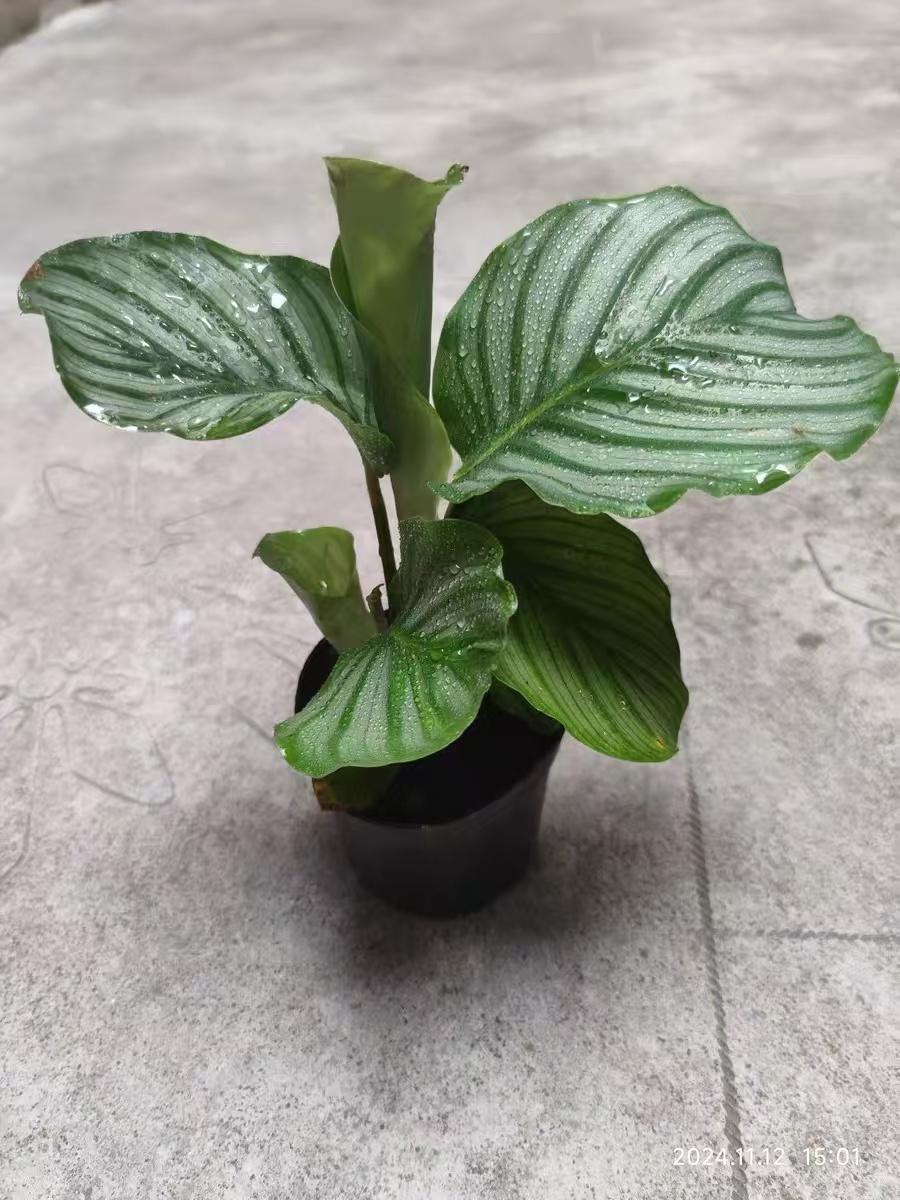
How to Improve the Germination Rate When Novice Gardeners Sow Herbaceous Plants?
As the name implies, herbaceous plants are those with soft stems that do not lignify. They come in a wide variety, ranging from delicate and beautiful flowers
-

How to Sow Phalaenopsis Seeds for a High Germination Rate
Among the vast sea of flowers, it is believed that the hardest one for everyone to resist is the "Phalaenopsis" (moth orchid). This is mostly because in recent years there have been many propagated varieties of Phalaenopsis, and secondly because its blooming flowers are quite beautiful, as romantic as dancing butterflies. However, this elegant flower, the Phalaenopsis, actually hides a little-known secret: its seeds actually
-
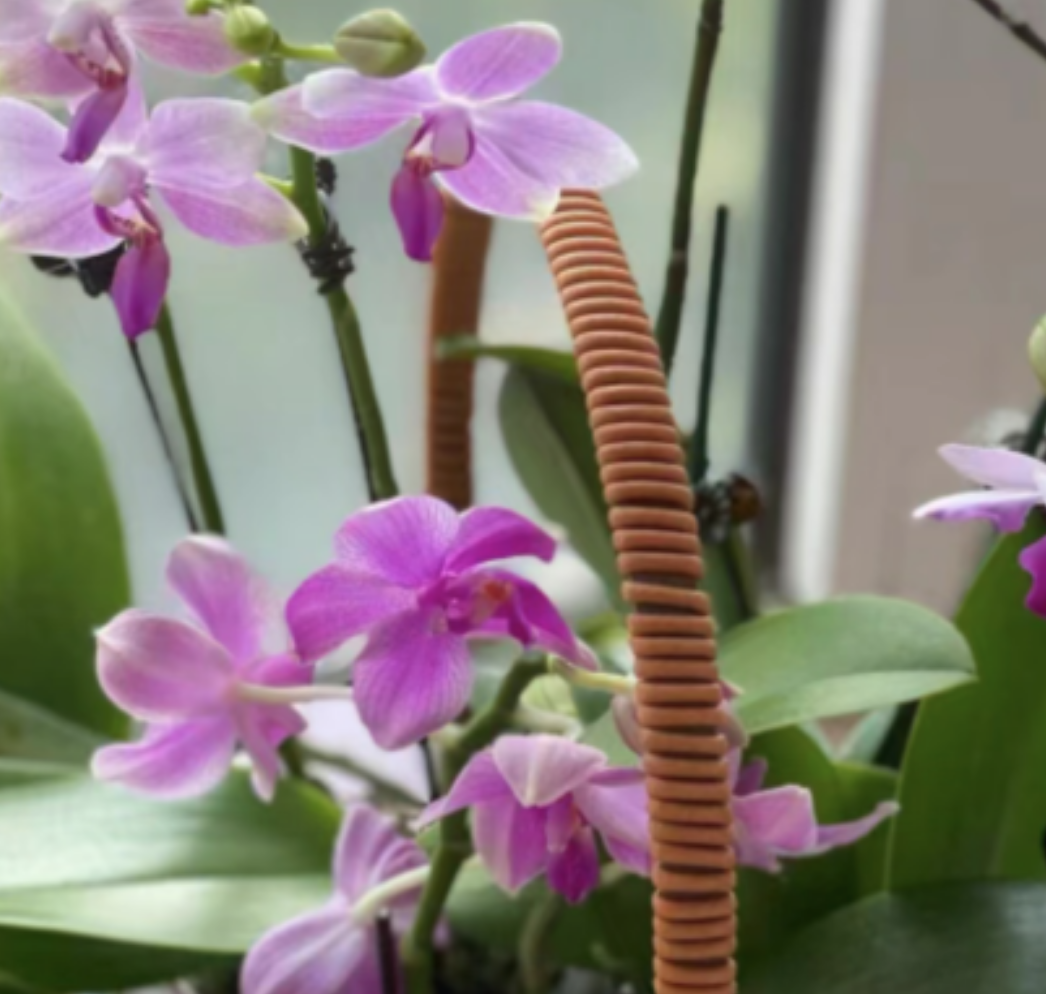
In which months is the season for promoting the germination of phalaenopsis?
Phalaenopsis, as one of the popular orchid varieties in recent years, is favored by flower lovers not only for its elegant flower posture but also because it
-

What month should cockscomb seeds be sown for seedlings, and how long does germination take?
Cockscomb is a very common herbaceous plant in our daily life, and it can be seen in many gardens. Although cockscomb is very common, it cannot be planted all year round. Because cockscomb is suited to growing in a warm environment, it is generally most suitable to sow the seeds at this time of year, from April to May.
-

How can the germination rate of tiny flower seeds be improved?
What are the methods for improving the germination rate of tiny flower seeds?
-
Luffa Seed Selection and Seed Saving Methods, plus Germination and Seedling Raising Techniques
Luffa is one of the most common vegetable crops. In rural areas, many friends like to grow a few plants in their own courtyards. Luffa is a warmth-loving, heat-tolerant crop with strong adaptability and does not have strict requirements for soil. When farmers grow luffa, the most important
-
A Detailed Guide to Seed Selection, Germination and Seedling Raising of Water Dropwort
Water dropwort, also called wild celery, is an aquatic vegetable that grows along ponds, rivers and paddy fields, and it is delicious and highly nutritious. It is mainly distributed in the central and southern regions of our country, with relatively large cultivation areas in Jiangxi, Zhejiang, Guangdong, Yunnan and Guizhou.
-
A Detailed Guide to the Latest Seed Germination Methods for Cornus officinalis
The seed coat of Cornus officinalis is hard and lignified, and rich in a gelatinous substance that is difficult to dissolve in water under normal conditions. The embryo of the seed is tender and watery, and its sprouting ability is relatively weak, so it is very difficult for the shell to break and the seed to sprout in a short period. In nature, Cornus officinalis seeds need to go through at least 12-15 months
-
How to germinate Bupleurum seeds? Latest technical method tutorial
Bupleurum is one of the traditional Chinese medicinal herbs in China, a common exterior-releasing medicine with high medicinal value, and it is currently grown over a very large area across the country. It is propagated by seed, but its seeds have a short lifespan, and even the germination rate of seeds from the current year is only half
条件筛选