-

When to Plant Taro? Growing Period Days and Planting Management Methods
How many days is the growing period of taro? The general growing period of taro is 210 to 240 days; for late-maturing varieties, the growing period is 270 to 300 days. From this, the growth cycle of taro is very long. Would you like to learn about taro's planting methods and management, and when to plant taro?
-

Is Snake Plant Poisonous? Growing Methods, Bedroom Placement, and Tips to Encourage Side Shoot Growth
Snake plant is a perennial herbaceous foliage plant with creeping rhizomes and linear lanceolate leaves. It has strong adaptability and does not demand much from its growing environment, making it very suitable for decorating living rooms, studies, and similar spaces. Besides being ornamental, its biggest feature is its ability to purify the air. According to experts
-
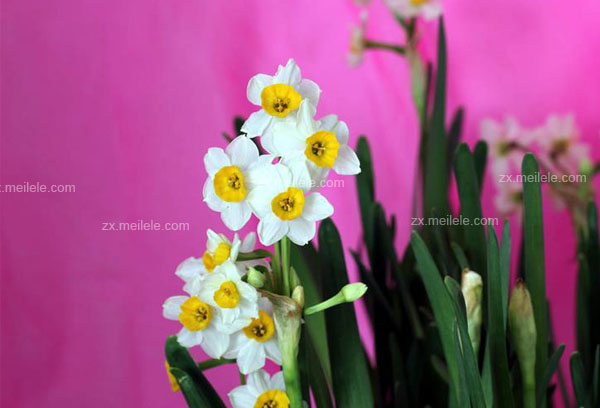
Narcissus growing methods and care tips
1. Be particular when selecting bulbs, paying attention to three main points: shape, color, and feel when pressed. Shape: high-quality narcissus bulbs are generally large, flat, and hard, with relatively wide spacing between the vertical vein stripes on the skin, a very taut inner membrane, glossy skin color, and a broad, thick root plate. 2. Choose an appropriate growing environment.
-
Narcissus Growing Methods and Care Tips
1. Be particular when selecting bulbs, paying attention to three main points: shape, color, and feel when pressed. Shape: high-quality narcissus bulbs are generally large, flat, and hard, with relatively wide spacing between the vertical vein stripes on the outer skin, a tightly stretched middle membrane, glossy skin color, and a broad, thick root plate. 2. Choose an appropriate growing environment
-
Can Fittonia be grown in water? With growing methods and precautions
Fertilizer application: When fertilizing Fittonia, also follow the fertilization principle of "light fertilizer applied frequently, small amounts with more applications, complete nutrition," applying a compound fertilizer once a month as a top dressing. Watering key points: Try to schedule watering Fittonia in the morning when temperatures are lower. In summer, water in the morning or evening when temperatures are low
-
Cymbidium Orchid Growing Methods, Precautions, Blooming Period Length, and Care Watering
Cymbidium orchids prefer strong light and a cool, highly humid environment; when grown indoors, attention must be paid to temperature control and care. The key points for growing cymbidium orchids are as follows. 1. Fertilizing: The fertilizer composition and content differ between the growth period and the forcing period of cymbidium orchids, so they cannot be treated the same. During the growth period
-
How to Fix Yellow Leaves and Root Rot in Alocasia (Dumb Cane): A Detailed Guide to Growing Methods and Precautions
How do you grow Alocasia macrorrhizos? This article covers its light and temperature needs, watering and fertilizing, water culture steps, and the causes of and solutions for yellowing leaves, and reminds you that its sap is toxic, so caution is needed when growing it in homes with children or pets.
-
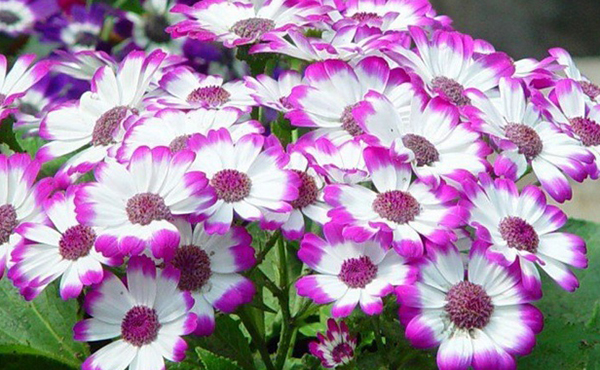
Cineraria (Pericallis × hybrida) Growing Methods and Precautions Explained in Detail
1. Soil: Cineraria prefers sandy loam rich in humus and well-drained; it dislikes drought and fears waterlogging, and prefers neutral to slightly acidic soil. 2. Watering: Cineraria has large, thin leaves and needs sufficient water, but the potting soil must not be too wet; the right level is to keep the leaves from wilting.
-
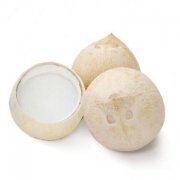
A Detailed Guide to the Growing Conditions and Opening Methods of Thai Fragrant Coconut
Coconut holds an indispensable place in the daily life of Thai people, from the edible coconut water, coconut milk, coconut jelly and coconut oil, to the fiber which can also be used as clothing material or other commonly used materials in daily life. The fragrant coconut, on the other hand, is a variety selected by farmers as suitable for eating, juicy, with a special aroma and relatively soft flesh. Fragrant coconuts can be harvested about 6 to 7 months after pollination.
-
Causes of Melon Blossom Drop and Failure to Set Fruit, and Growing Methods
Why Melons Fail to Set Fruit
条件筛选