-

Characteristics of the Phalaenopsis Stem and How to Grow Thick, Robust Roots
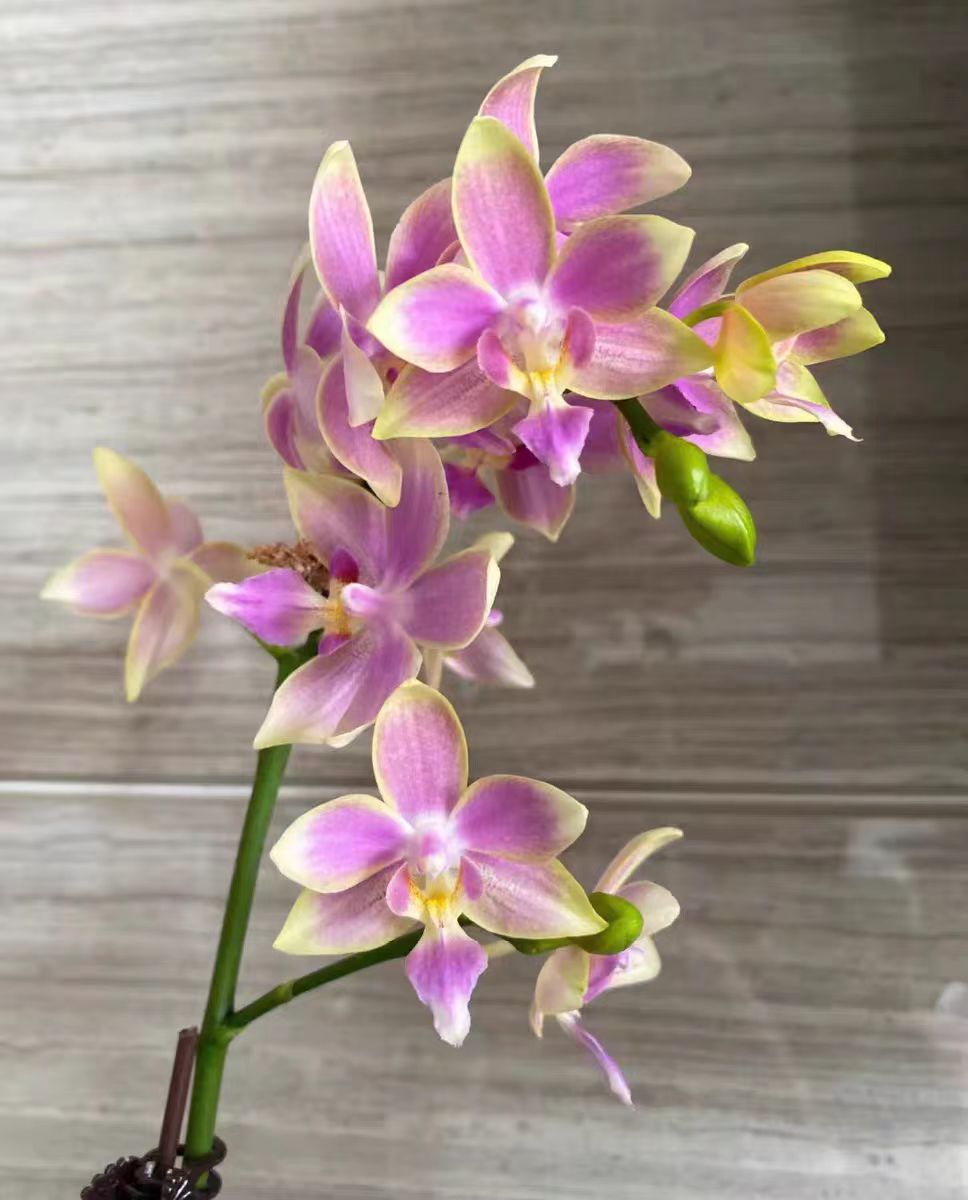
Growing flowers and plants not only boosts your personal energy but also lets us understand plant structure, so we can appreciate the growth condition and vitality of the plant. In recent years, the popular flower "Phalaenopsis" (moth orchid) is a plant many people have grown. So which part of the plant body does the "stem" refer to? What does it do? When it comes to the Phalaenopsis
-
What kind of bark is suitable for growing Phalaenopsis, and is thick or thin bark better?
Phalaenopsis are epiphytic plants that prefer loose and breathable growing media, and bark is a commonly used choice. Some flower enthusiasts ask: is thick
-

For Phalaenopsis grown in bark, is thick or thin bark better, and does it need to be soaked in advance?
Phalaenopsis is an epiphytic plant that likes a loose, breathable growing medium, and bark is a common choice. Some growers ask: for growing Phalaenopsis, is thick bark better or thin bark better? Does the bark really need to be soaked in advance before use? When it comes to choosing bark thickness, each has pros and cons, and the decision should be based on actual needs; pre-treatment before use also affects the plant's growth condition.
-
How to grow Phalaenopsis with a weak root system so the roots become thick and strong
If the Phalaenopsis at home has poor roots, do not worry; follow these steps and you can help it slowly recover. 1. Trim the roots and disinfect. Using scissors wiped with alcohol, cut off all the hollow, blackened rotten roots, keeping only the plump, white, firm healthy roots. After trimming, soak the roots in carbendazim solution for half an hour to disinfect, then take them out.
-

How to grow potted Phalaenopsis orchids? The simplest three steps to grow thick, sturdy plants
In the flower market where a hundred flowers bloom, the Phalaenopsis orchid can be considered the king of sales, mostly because they come in diverse varieties and brilliant colors, and their flower shapes look like butterflies dancing in the wind, intoxicating anyone who sees them. So, for this dream flower that so many people long for, how should you grow it well? To grow Phalaenopsis well, of course you first need to
-

How should you care for a potted Phalaenopsis orchid to grow thick, large roots?
Among flowering plants, the Phalaenopsis orchid is undoubtedly one of the most popular. Its brilliantly colorful petals and elegant, graceful flower posture make it the "dream flower" in the hearts of countless growers. However, when caring for it at home, getting it to bloom abundantly, or to have thick, sturdy flower stems and leaves, is no simple matter. But there is no need to worry
-

Money Tree (Pachira aquatica) Care: Watering Methods and Tips for Growing It Thick and Green
Today we introduce a popular indoor foliage plant - the Money Tree, which some flower shop owners also call Polyscias. It has fairly round leaves, so it symbolizes being able to place countless money at home. Feng shui masters suggest flower lovers place it in the family's "wealth position," which can enhance its role in bringing in wealth and treasure. Gold
-

Is the Alocasia (Dumb Cane) Poisonous? How to Grow It at Home So It Thrives and Develops a Thick Old Stem
Alocasia, a common indoor foliage plant, is loved by many households for its unique form and good air-purifying effects. However, before considering bringing it into the home environment, an important question stands before us: is Alocasia poisonous? The answer is yes, the entire Alocasia plant is toxic,
-

How do you grow hydroponic lucky bamboo so it becomes thicker and more vigorous, and how should it be pruned after it grows tall?
Lucky bamboo is a perennial evergreen tree with slender stems and leaves, soft and elegant; although it has a bamboo-like node structure, it is not a true bamboo. It can grow in all four seasons. As the most common hydroponic houseplant, it is easy to keep alive and has high ornamental value, and its symbolic meaning is good too. In China there is the blessing "when flowers bloom, wealth and honor come; when bamboo is reported, peace prevails."
-

How to grow and care for the succulent Gasteria, and how to make its leaves thicker?
Gasteria is a common succulent plant. Because its shape resembles a gold ingot, it is also called the ingot flower. So what are the growing methods and precautions for Gasteria? How do you grow it so the leaves become thick? 1. Gasteria succulent growing methods. 1. Site selection and land preparation. The soil is best as a fertile, loose, well-drained sandy loam. Apply farmyard manure or compost appropriately to the soil, plow finely and rake level. Generally apply 1500-2000kg of decomposed organic fertilizer per mu, then make beds 0.8-1m wide, with length depending on the terrain. Soil that is too wet or too sticky is not suitable for planting.
条件筛选